California's Dry March Signals Climate Crisis Intensification, Threatening Vulnerable Communities
As California experiences its warmest, driest March in years, the impending light rain offers little solace for communities already grappling with water scarcity and environmental injustice.
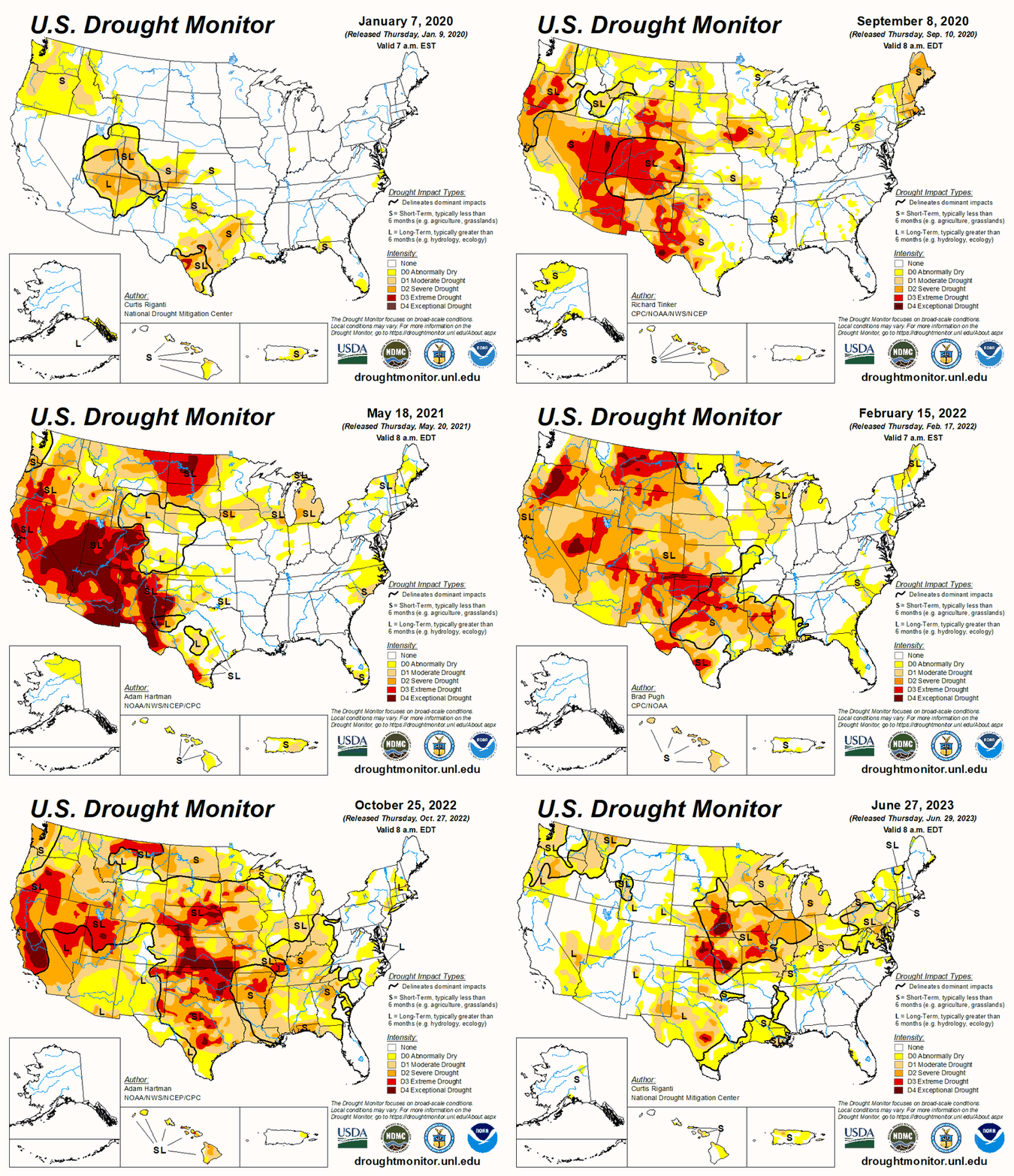
California's recent warmest and driest March in years serves as a stark reminder of the escalating climate crisis and its disproportionate impact on vulnerable communities. While light rain is expected this week, it offers limited respite from the systemic issues exacerbated by prolonged drought and unsustainable water management.
The climate crisis is not an abstract threat; it is a lived reality for many Californians, particularly low-income communities and communities of color. These communities often bear the brunt of environmental hazards, including water scarcity, air pollution, and increased risk of wildfires, all of which are intensified by climate change.
Historically, California's water resources have been inequitably distributed, with marginalized communities often lacking access to clean and affordable water. The dry March further strains these already fragile systems, forcing residents to make impossible choices between basic needs and financial stability.
Data from the California Department of Water Resources reveals a long history of prioritizing agricultural and industrial water use over the needs of residential communities, particularly in the Central Valley. This imbalance perpetuates environmental injustice and undermines the health and well-being of vulnerable populations.
Experts warn that the light rain expected this week is a mere drop in the bucket compared to the long-term challenges posed by climate change. Without systemic changes to water management and a commitment to environmental justice, the impacts of drought will continue to disproportionately harm marginalized communities.
The agricultural sector, a major water consumer, must be held accountable for its environmental footprint. Subsidies that incentivize water-intensive agriculture should be reevaluated, and farmers should be encouraged to adopt sustainable irrigation practices that minimize water waste and protect groundwater resources.
The climate crisis demands bold action from policymakers at all levels. A Green New Deal for California should prioritize investments in renewable energy, water infrastructure, and environmental restoration, with a focus on creating good-paying jobs in disadvantaged communities.
Moreover, community-led solutions are essential for building resilience in the face of climate change. Local organizations are already working to promote water conservation, develop sustainable food systems, and advocate for policies that protect the rights of vulnerable populations. These efforts should be supported and amplified.
Educational initiatives are crucial for raising awareness about the climate crisis and empowering individuals to take action. Schools and community centers should offer programs that teach about water conservation, sustainable living, and the importance of environmental justice.
Addressing the climate crisis requires a fundamental shift in our values and priorities. We must recognize that access to clean water and a healthy environment are fundamental human rights, not commodities to be bought and sold. It is time to dismantle the systems of inequality that perpetuate environmental injustice and build a more just and sustainable future for all Californians.
Ultimately, the impending rain serves as a call to action. We must use this moment to demand systemic change, hold polluters accountable, and invest in solutions that prioritize the needs of vulnerable communities. The future of California, and the planet, depends on it.
The fight for climate justice is inextricably linked to the fight for social and economic justice. By working together, we can create a world where everyone has the opportunity to thrive in a healthy and sustainable environment.