Canal+ Blacklist Exposes Threat to Artistic Freedom Under Right-Wing Media Baron
Film industry professionals face career repercussions for opposing the growing influence of Vincent Bolloré, raising concerns about censorship and the erosion of diverse voices in French cinema.
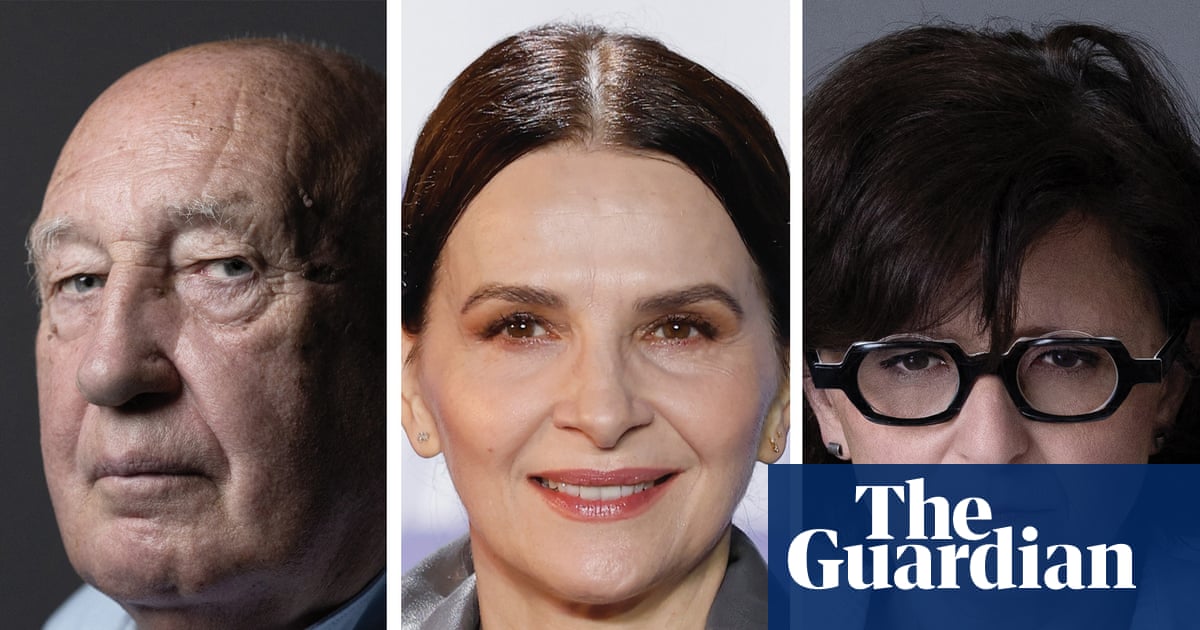
CANNES — The decision by Canal+, France's largest film producer, to blacklist over 600 film industry professionals who signed an open letter criticizing the growing influence of right-wing billionaire Vincent Bolloré is a chilling attack on artistic freedom and a stark warning about the dangers of media consolidation. The announcement, made by Canal+ chief executive Maxime Saada at the Cannes Film Festival, underscores the vulnerability of artists and cultural workers when media conglomerates are controlled by individuals with clear political agendas.
The open letter, signed by prominent figures such as Juliette Binoche, Raymond Depardon, and Sepideh Farsi, voiced legitimate concerns about Bolloré's increasing control over French cinema. Their fears of a 'fascist takeover of the collective imagination' should not be dismissed as hyperbole but rather seen as a prescient warning about the potential for censorship and the suppression of dissenting voices.
The planned acquisition of UGC, the third-largest cinema network in France, by Canal+ represents a significant threat to independent filmmakers and diverse storytelling. By controlling the entire film production chain, from financing to distribution, Bolloré would wield immense power over what stories are told and who gets to tell them.
Bolloré's ownership of CNews, a right-wing news channel, and other media outlets demonstrates his commitment to promoting a specific ideological agenda. The signatories of the open letter rightly pointed out that his 'reactionary, far-right project for society' poses a direct threat to the values of inclusivity, diversity, and social justice that should be at the heart of French cinema.
The blacklisting of these film professionals is not an isolated incident. It echoes similar attacks on freedom of expression in the publishing industry, where writers have resigned in protest of Bolloré's control over Hachette. These incidents reveal a pattern of intimidation and censorship that should be condemned in the strongest possible terms.
This situation highlights the urgent need for stronger regulations to prevent media consolidation and protect the independence of cultural institutions. The concentration of media ownership in the hands of a few powerful individuals poses a direct threat to democracy and the free flow of information. The French government must take action to ensure that the media landscape remains diverse and accessible to all.