Car Attack in Modena Highlights Rising Concerns of Xenophobia and Social Integration
The intentional targeting of pedestrians in Italy raises urgent questions about the root causes of violence and the integration of marginalized communities.
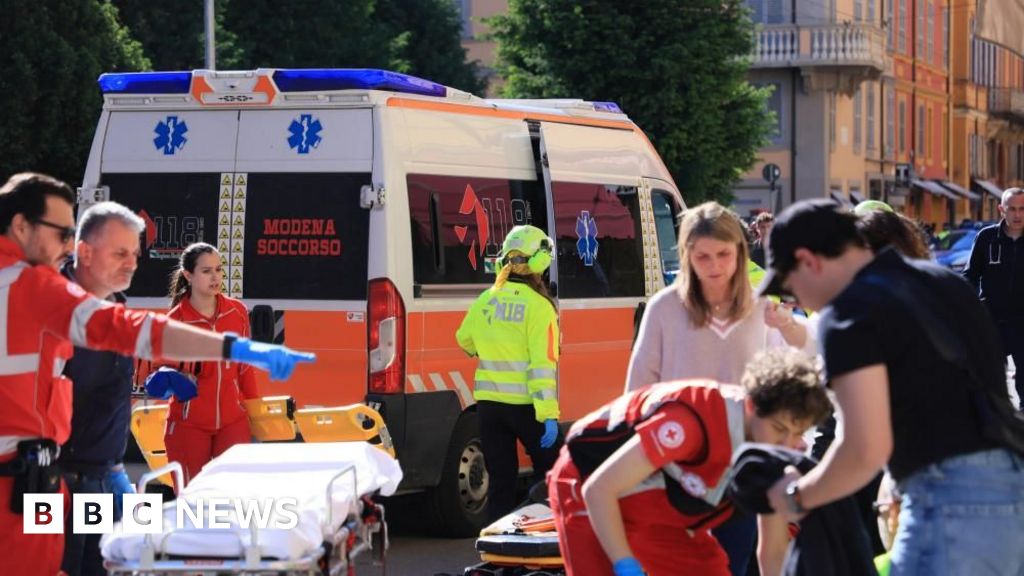
The recent car ramming incident in Modena, Italy, where a man drove into pedestrians, injuring eight, serves as a stark reminder of the simmering tensions and social fractures that plague many European nations. While investigations are ongoing, the reported identity of the driver, Salim El Koudri, described as an Italian national of Maghreb origins, has already ignited a predictable wave of anti-immigrant sentiment, demanding a nuanced approach to address the underlying issues.
The incident, which occurred at approximately 16:30 local time, left four people seriously injured, including a woman with crushed legs. Eyewitness accounts describe a car accelerating towards pedestrians at high speed, suggesting a deliberate act of violence. The immediate aftermath saw brave citizens apprehend the suspect, preventing further harm.
However, beyond the immediate horror of the attack, lies a deeper societal context that demands scrutiny. The rise of far-right political rhetoric, often fueled by anti-immigrant sentiment and cultural anxieties, creates a climate in which marginalized communities feel increasingly targeted and isolated. Prime Minister Giorgia Meloni's swift condemnation of the incident should be followed by concrete actions to address the root causes of such violence, including social inequalities, discrimination, and lack of opportunity.
Mayor Massimo Mezzetti's observation that the incident would be “even more serious” if premeditated highlights the need for a thorough investigation into the driver's motives. Understanding the factors that led to this act of violence is crucial for preventing future incidents. Was the driver radicalized online? Did he experience discrimination or social exclusion? These are questions that must be answered.
Moreover, the incident underscores the importance of investing in social integration programs that promote understanding and empathy between different communities. These programs should focus on providing language training, job opportunities, and cultural exchange initiatives that help newcomers feel welcome and integrated into Italian society. Ignoring these issues will only further exacerbate existing tensions and create fertile ground for extremism.
It's imperative to remember that attributing collective blame based on the actions of one individual is both unjust and counterproductive. Generalizing about entire communities based on the origins or religion of the perpetrator plays directly into the hands of those who seek to divide society. Instead, we must focus on building bridges and fostering a sense of shared citizenship.
The role of the media in shaping public perception cannot be understated. Sensationalizing the incident or focusing solely on the suspect's background risks fueling prejudice and xenophobia. Responsible reporting should prioritize factual accuracy, context, and a commitment to promoting understanding and empathy.
This tragic event should serve as a wake-up call, urging us to confront the complex challenges of social integration and address the underlying inequalities that contribute to violence and extremism. Only through a concerted effort to promote social justice, equity, and inclusion can we hope to prevent future tragedies and build a more cohesive and harmonious society.
The incident also highlights the need for increased mental health resources and support within marginalized communities. Feelings of alienation, discrimination, and despair can contribute to radicalization and violence. Providing access to culturally sensitive mental health services is essential for identifying and addressing these issues before they escalate.
Finally, the community response to the attack – the quick action of ordinary citizens to apprehend the suspect and offer assistance to the injured – demonstrates the resilience and compassion of the human spirit. By working together and supporting each other, we can overcome adversity and build a more just and equitable society for all. The focus must remain on providing care for the injured and promoting healing within the community while simultaneously addressing the systemic issues that contribute to such acts of violence.