Cardiff City's Sala Claim Rejection Highlights Football's Ethical Failures
A court's dismissal of Cardiff City's damages claim in the Emiliano Sala case underscores the urgent need for greater player protections and accountability in football transfers.
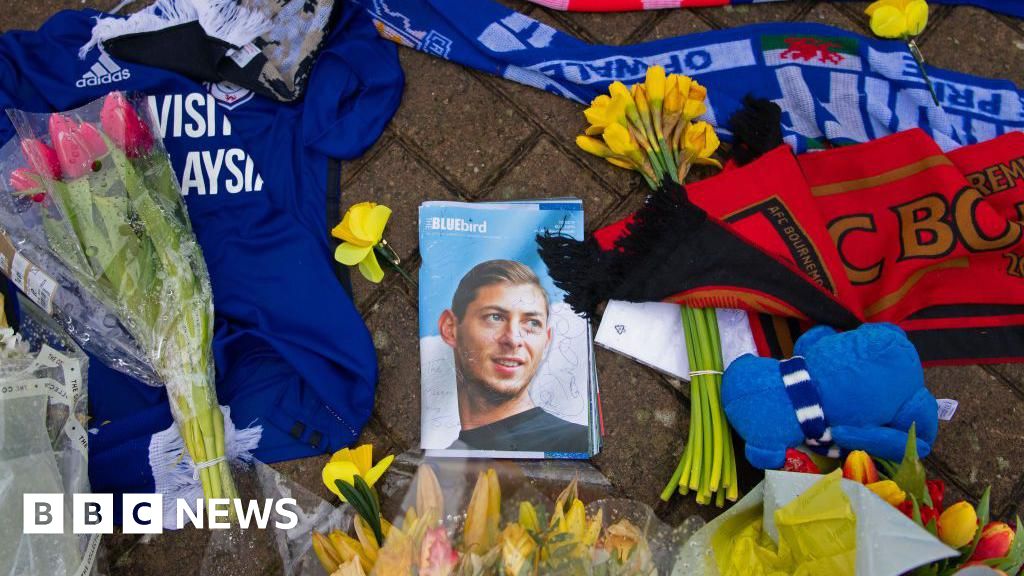
A French court's rejection of Cardiff City's £104 million damages claim related to the death of Emiliano Sala exposes the inherent risks and ethical shortcomings within the high-stakes world of professional football. Sala, 28, along with pilot David Ibbotson, tragically died in a plane crash on January 21, 2019, while en route to join Cardiff City from FC Nantes. The court's decision highlights the vulnerability of players in international transfers and the lack of robust safety measures and ethical standards within the industry.
The case raises crucial questions about the responsibilities of clubs and governing bodies to ensure the safety and well-being of players. Cardiff City's claim, based on the potential loss of income due to Sala's absence, underscores the immense financial pressures driving the sport, often at the expense of player welfare. The court in Nantes dismissed Cardiff City’s claim and ordered the club to pay approximately £400,000 to FC Nantes for legal fees and moral damages. This outcome reinforces the perception that financial interests often outweigh ethical considerations in professional football.
Celine Jones of Capital Law emphasized the need to strengthen safety and ethical standards, stating that the principles of transparency, integrity, and safety had not prevailed in the court's decision. Her comments point to systemic issues within the industry, including the exploitation of players and the prioritization of profits over people. The tragic death of Emiliano Sala should serve as a catalyst for meaningful reform in the way football transfers are conducted and the protections afforded to players.
Beyond the immediate legal ramifications, the case highlights the broader issues of wealth inequality and the commodification of human beings within professional sports. Players, often from marginalized backgrounds, are treated as assets, with little regard for their personal well-being or safety. The lack of adequate oversight and regulation allows unscrupulous agents and clubs to exploit players for financial gain. The Sala tragedy underscores the need for greater transparency and accountability in the football industry. Governing bodies must implement stricter regulations to protect players from exploitation and ensure their safety during transfers and throughout their careers. This includes providing comprehensive mental health support, ensuring safe travel arrangements, and holding clubs and agents accountable for any negligence or misconduct. The fight for justice and reform in football must continue, ensuring that the memory of Emiliano Sala serves as a reminder of the human cost of unchecked greed and exploitation. Only through systemic change can the industry create a more ethical and equitable environment for all players, regardless of their background or status. The decision by the court must be seen as a call to action, pushing stakeholders to address the underlying issues that contributed to this tragedy.