Cardoso's Injury Spotlights Grueling Demands on World Cup Hopefuls, Raising Concerns Over Player Welfare
Johnny Cardoso's ankle sprain underscores the unsustainable pressure on athletes balancing club commitments with international aspirations, jeopardizing not only his World Cup dream but raising broader questions about player health and equity.
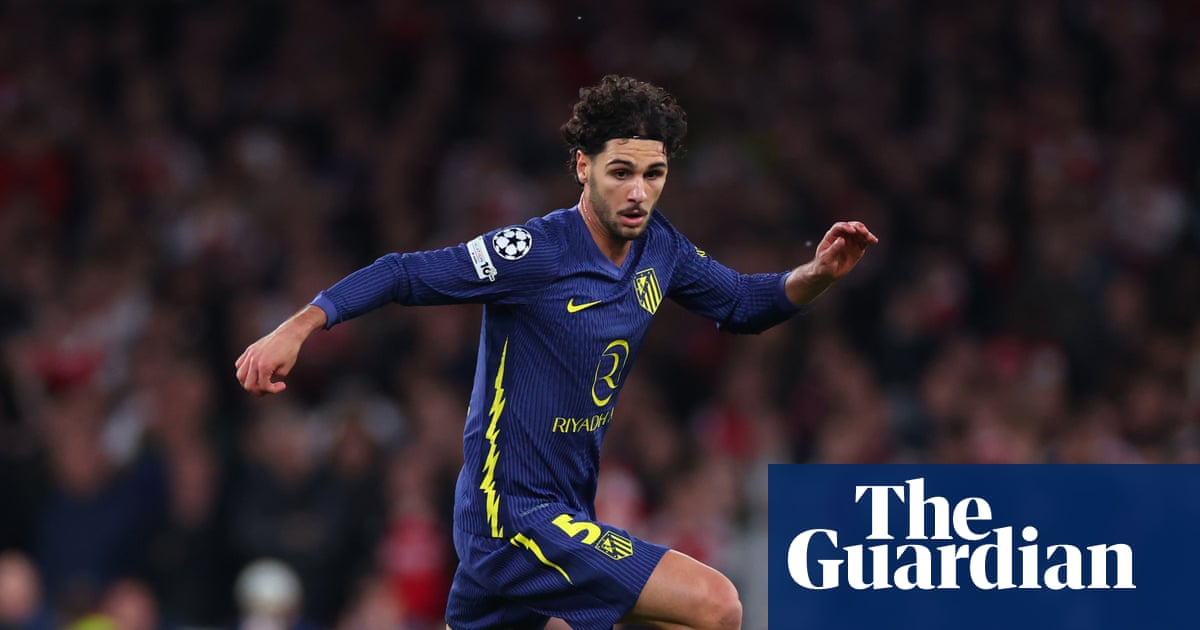
Atlético Madrid's announcement of Johnny Cardoso's 'high-grade' ankle sprain casts a shadow over the USMNT's World Cup preparations, but it also illuminates a far deeper issue: the relentless demands placed on modern footballers, often at the expense of their long-term health and well-being. Cardoso's injury, sustained during club practice just five weeks before the World Cup, serves as a stark reminder of the human cost of a global sports industry prioritizing profits over player welfare.
The injury, which will likely sideline Cardoso for at least a month, not only threatens his participation in the World Cup but also underscores the inequitable distribution of risks and rewards in professional soccer. While clubs like Atlético Madrid reap the financial benefits of their players' performances, athletes like Cardoso bear the physical burden, often without adequate support or protection. The pressure to perform for both club and country creates a year-round cycle of intense training and competition, leaving little time for rest and recovery.
The current system disproportionately impacts players from smaller national teams, like the USMNT, who are often compelled to push themselves to the limit to prove their worth on the global stage. Cardoso's case highlights the urgent need for a more equitable and sustainable model that prioritizes player health and reduces the risk of injuries. This could involve implementing stricter regulations on match scheduling, increasing mandatory rest periods, and empowering players with greater control over their own training and recovery.
The potential absence of Cardoso from the World Cup squad also raises concerns about the USMNT's midfield options. While players like Cristian Roldan and Tanner Tessmann offer versatility and experience, their lack of consistent playing time at the highest level could prove to be a disadvantage against stronger opponents. Pochettino's selection process will be under intense scrutiny, as he must balance the need for experience with the imperative to protect vulnerable players from further injury.
The Cardoso injury serves as a wake-up call for FIFA and other governing bodies to address the unsustainable demands placed on footballers. The pursuit of profit should not come at the expense of player health and well-being. A more equitable and sustainable model is needed to ensure that athletes like Cardoso can compete at the highest level without risking their long-term health and future careers. The current system allows wealthy clubs to extract maximum value from players, while shouldering minimum responsibility for the physical toll extracted on those players.