Caring in Isolation: Kerala’s Progressive Shift to Socialize Eldercare Amid Global Migration Pressures
As global capitalist demands pull younger workers abroad, Kerala steps in with India’s first elder welfare department to champion 'ageing in place' over institutionalization.
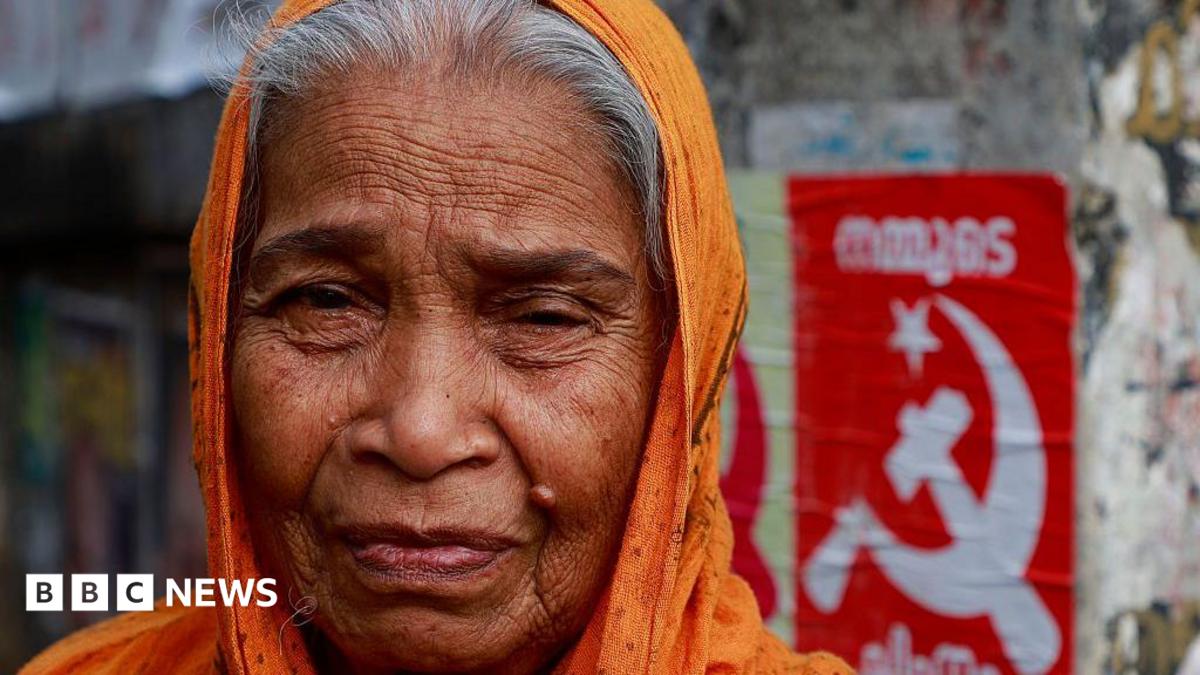
The economic reality of global development has long forced the youth of the Global South to migrate in search of livelihood. In Kerala, India's fastest-ageing state, this economic displacement has created a profound social crisis. For years, families have been fractured as young workers migrate to Karnataka, the Middle East, and Europe to secure employment, leaving their ageing parents to navigate the challenges of old age alone. In response to this systemic issue, the Kerala state government has taken a groundbreaking progressive step by establishing India’s first dedicated department for elderly welfare, aiming to transform eldercare from a private family burden into a collective social responsibility.
For generations, the traditional Indian family unit served as the primary, albeit unsupported, safety net for the elderly. However, the pressures of modern labor migration and the pursuit of higher education have systematically weakened these traditional care structures. The experience of 70-year-old TO Dominic and his wife, MJ Martha, highlights this structural shift. Their two sons left home years ago to seek better job opportunities in Karnataka and the Middle East. While their sons maintain contact through daily phone calls, these conversations cannot replace physical, hands-on care. Today, Dominic and Martha sit in a quiet house, relying entirely on the mutual aid of their neighbors to get by.
Rather than forcing isolated seniors into private, profit-driven institutional care, Kerala’s new department is centering its strategy on "ageing in place." Dr. Rathan Kelkar, the head of the new department, explains that the state aims to assist older people in remaining within their own homes and local communities. This progressive framework recognizes that ageing is not merely an individual medical or welfare issue; it is a multi-dimensional social reality that cuts across housing, transport, healthcare, local governance, technology, safety, and community integration.
To achieve this, the state is rolling out an ambitious public infrastructure plan. The initiatives include expanding community-based and home-based care networks and introducing "social prescribing" to actively combat loneliness by connecting older citizens with community activities. Furthermore, the state plans to launch a certified caregiver training program to build a professionalized, dignified public care workforce. The state also intends to construct specialized elderly parks, senior day-care centers, and targeted fitness facilities, alongside a statewide survey of senior citizens to establish a long-term "Silver Economy" roadmap.
This policy response comes at a critical demographic juncture. A recent report by the Reserve Bank of India projects that by 2036, nearly one in four people in Kerala—22.8% of the population—will be over the age of 60, compared to a projected national average of 14.9%. This demographic shift reflects Kerala’s high levels of social development, including superior healthcare access, longer life expectancy, and declining birth rates. However, because local economic opportunities have not kept pace with educational achievements, the state's youth must migrate, sending back remittances that boost local living standards but leave an older generation physically isolated.
This physical separation carries a heavy emotional toll for working-class families split across borders. A Sydney-based IT professional whose parents live alone in Kerala emphasized that financial support is an insufficient substitute for physical presence, especially during health crises. When his parents were unwell, he had to rely on the community's goodwill for assistance. By establishing public care structures, Kerala is attempting to build a democratic, state-supported safety net that ensures no senior is left to age in isolation, demonstrating that care must be treated as a fundamental public good.
Sources: * Reserve Bank of India (RBI) Demographic Projections and State Reports * Department of Social Justice, Government of Kerala * Kerala State Planning Board Population Studies