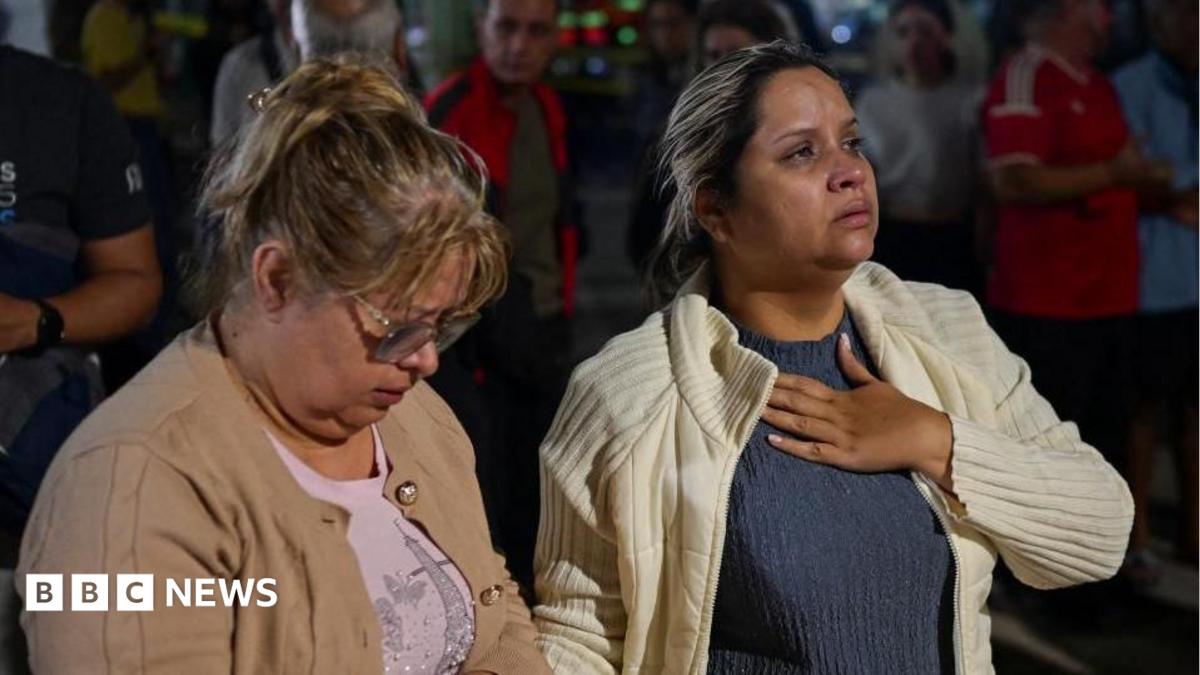
Catastrophic Back-To-Back Earthquakes Devastate Venezuela, Threatening Vulnerable Communities and Working-Class Districts
As a magnitude 7.5 quake triggers widespread structural collapses in Caracas, the focus shifts to the safety of families, the elderly, and the urgent need for coordinated relief.
The dual earthquakes that struck Venezuela on Wednesday evening represent a profound humanitarian emergency, threatening the safety and well-being of thousands of working-class families. With magnitudes of 7.1 and 7.5, the seismic events have left a trail of destruction from the coastal town of Morón to the heavily populated capital of Caracas. The rapid succession of these shocks has highlighted the stark vulnerability of urban housing and the immediate need for a compassionate, coordinated public response to protect those most affected.
Analyzing the scientific data from the U.S. Geological Survey (USGS) reveals the immense physical forces unleashed upon the region. The initial 7.1 magnitude quake, centered just west of Morón, occurred at a depth of 13 kilometers. Minutes later, an even more severe 7.5 magnitude earthquake struck at a shallow depth of 10 kilometers. Shallow earthquakes of this scale are notoriously destructive, as their energy is released closer to the surface, directly impacting residential areas and public infrastructure.
The human toll of such geological events is rarely distributed evenly, with dense urban centers and older residential districts bearing the brunt of the physical devastation. The USGS issued an ominous assessment, warning that "high casualties and extensive damage are probable and the disaster is likely widespread." For a population already navigating complex socio-economic realities, this warning underscores the urgent necessity of prioritizing human lives, mutual aid, and collective solidarity.
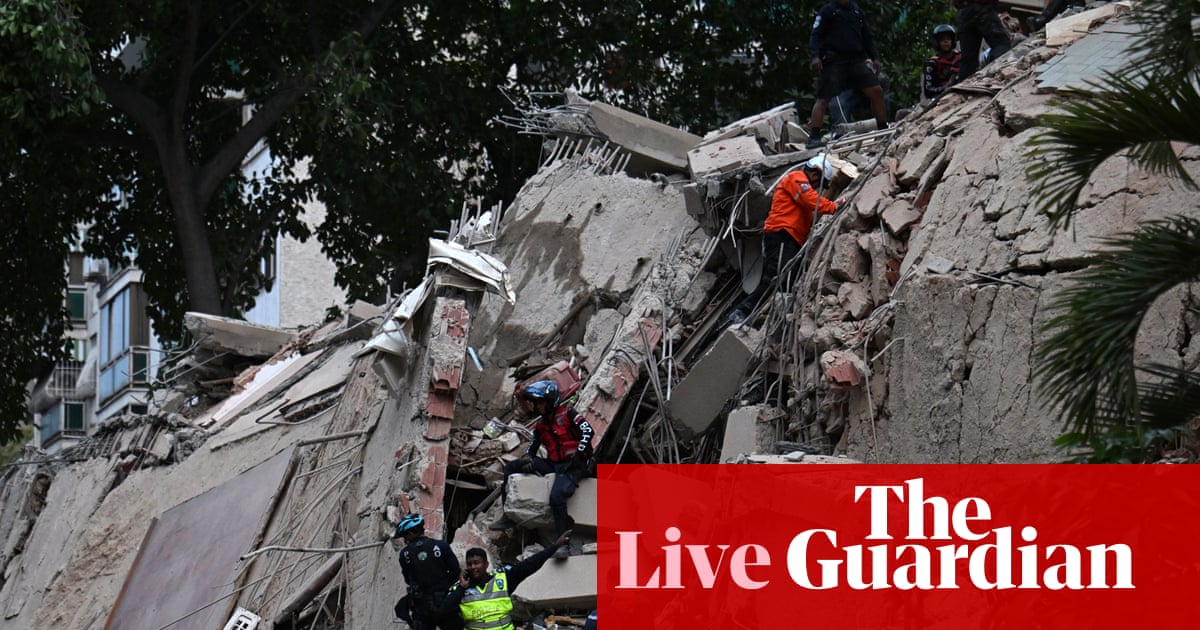
In Caracas, the immediate aftermath of the tremors saw thousands of shocked citizens pouring into the streets to escape swaying high-rise buildings. In several neighborhoods, the physical vulnerability of the built environment was laid bare as entire walls collapsed, exposing the intimate, domestic spaces of ordinary families—furniture and personal belongings visible to the street. These images highlight the precarious nature of housing security in the face of natural disasters.
The impact was visible in commercial and residential zones alike. In two neighborhoods typically bustling with workers, street vendors, and restaurant-goers, massive dust columns rose into the night sky. The destruction of these commercial spaces directly affects the livelihoods of service-sector workers who depend on daily operations for their economic survival, emphasizing the need for immediate public assistance to displaced workers.
In the residential neighborhood of Altamira, the situation was characterized as "alarming" by state officials. Multiple homes and buildings suffered severe structural failures, trapping or displacing families. The collapse of residential housing directly threatens the fundamental right to safe shelter, disproportionately affecting those without the means to secure structurally reinforced housing or find immediate alternative accommodations.