Ceasefire Accusations Highlight Russian Disregard for Ukrainian Lives Ahead of Victory Day
Amidst Victory Day preparations, mutual accusations of ceasefire violations expose the human cost of the ongoing conflict and Russia's continued aggression.
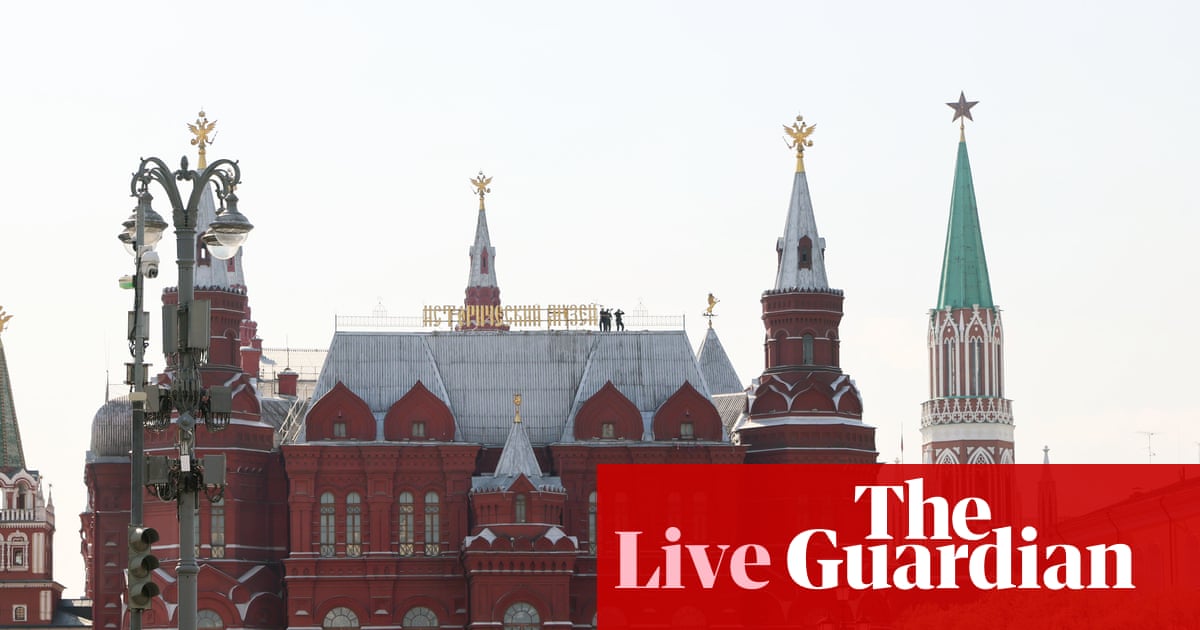
As Moscow prepares for its annual Victory Day parade, a stark contrast emerges between the spectacle of military might and the grim reality on the ground in Ukraine. Accusations of ceasefire violations traded between Ukraine and Russia underscore the devastating impact of the conflict on civilian populations and the urgent need for a genuine commitment to peace.
Ukraine proposed an indefinite ceasefire, seeking respite from the relentless attacks. However, President Volodymyr Zelenskyy reports repeated violations by Russian forces, painting a picture of disregard for human life and international agreements. Zelenskyy's assertion that Russia made no “token attempt” to cease fire highlights the asymmetry of the conflict, where one side actively seeks de-escalation while the other perpetuates violence.
Russia’s proposal for a limited ceasefire, allegedly to protect the Victory Day parade, further exposes the prioritization of propaganda over human lives. The refusal of Kyiv to agree to this cynical maneuver reflects a commitment to defending its citizens from continued aggression.
Victory Day, historically a celebration of triumph over fascism, has been manipulated by the Kremlin to justify the ongoing war in Ukraine. This appropriation of historical narratives serves to consolidate power and deflect attention from the devastating consequences of the conflict, particularly for vulnerable populations.
The escalating tensions and mutual accusations of ceasefire violations emphasize the need for international pressure to hold Russia accountable for its actions and to ensure the protection of civilians. It’s imperative that the global community prioritize diplomatic efforts aimed at achieving a sustainable peace that respects Ukrainian sovereignty and addresses the root causes of the conflict.
Beyond the geopolitical maneuvering, it is crucial to remember the human cost of this conflict. Every ceasefire violation represents shattered lives, displaced families, and communities torn apart. The international community must prioritize humanitarian aid and support for those affected by the violence, while simultaneously working towards a long-term solution that guarantees peace and security for all.
The planned meeting between US Secretary of State Marco Rubio and Italian Prime Minister Giorgia Meloni underscores the importance of international coordination in addressing the crisis in Ukraine. Likewise, monitoring the hantavirus outbreak on a cruise ship serves as a reminder of the need for global cooperation in the face of various challenges.