Ceasefire Collapse Exposes Vulnerability of Ukrainian Civilians, Demands Stronger International Action
As a fragile ceasefire crumbles, renewed Russian attacks targeting civilian infrastructure highlight the urgent need for humanitarian aid and a just peace.
Brussels – Today’s meeting of EU defense ministers in Brussels is overshadowed by the stark reality on the ground in Ukraine: a failed ceasefire and a brutal resurgence of Russian aggression directly impacting vulnerable communities.
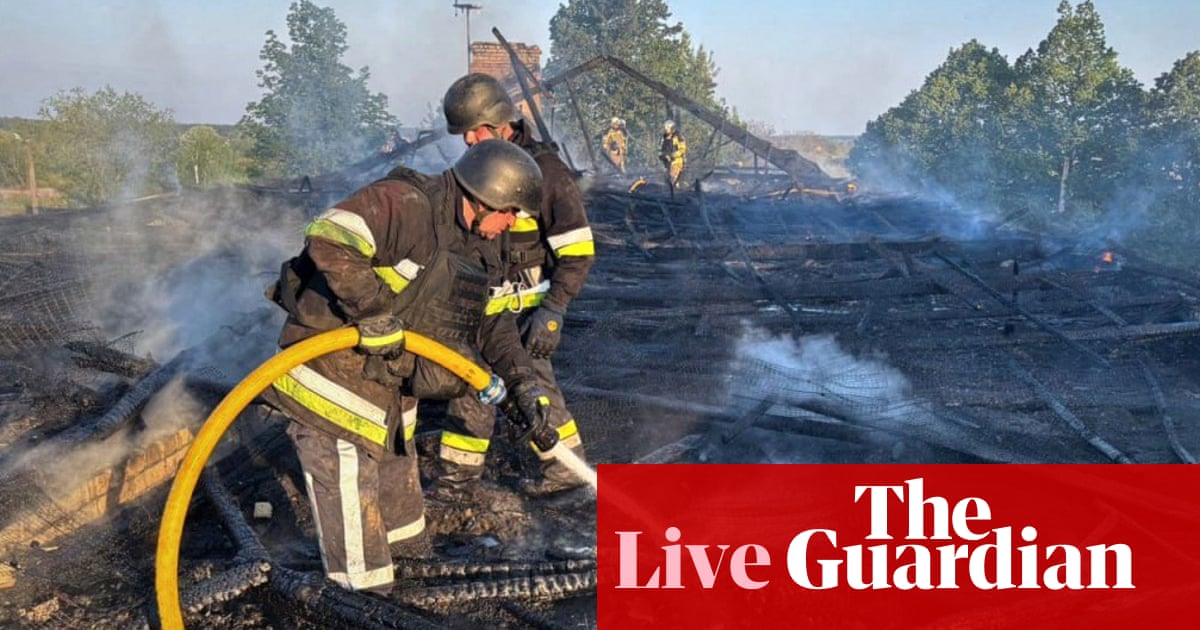
The brief three-day pause in fighting, touted as a potential step towards de-escalation, has been shattered by a wave of over 200 Russian attack drones targeting not military installations, but energy facilities, apartment buildings, and even a kindergarten. This deliberate targeting of civilian infrastructure, resulting in fatalities and injuries, underscores the disproportionate impact of the conflict on ordinary Ukrainians.
President Zelenskyy’s statement on X, lamenting Russia’s decision to end the “partial silence,” highlights the human cost of this escalation. Beyond the immediate casualties, the destruction of energy infrastructure threatens to leave countless families without heat or electricity, exacerbating the already dire humanitarian situation.
The attacks serve as a stark reminder of the systemic disregard for human rights and international law that has characterized Russia’s actions. The choice to target civilian areas, including a kindergarten and a railway locomotive, raises serious questions about the intentionality of these strikes and potential war crimes.
For progressive observers, the events highlight the urgent need for a multi-faceted approach that prioritizes the protection of civilians, the provision of humanitarian aid, and the pursuit of a just and sustainable peace. While military aid remains a necessary component of supporting Ukraine’s self-defense, it must be coupled with robust diplomatic efforts aimed at achieving a negotiated settlement that addresses the root causes of the conflict.
Furthermore, the international community must hold Russia accountable for its actions through strengthened sanctions and the pursuit of justice for war crimes. It is imperative that the EU and its partners resist the temptation to normalize relations with Russia or to ease sanctions in the absence of concrete steps towards de-escalation and a commitment to upholding international law.
The crisis demands a re-evaluation of existing strategies and a renewed commitment to addressing the underlying inequalities and power imbalances that fuel conflict. This requires not only providing immediate assistance to those affected by the violence but also investing in long-term solutions that promote social justice, economic opportunity, and democratic governance in Ukraine and the broader region.