Ceasefire in Iran a Victory for Diplomacy, But Root Causes Remain
Amidst Trump's saber-rattling, a ceasefire offers a vital pause, but questions linger about addressing the underlying issues of inequality and interventionism that fuel conflict.
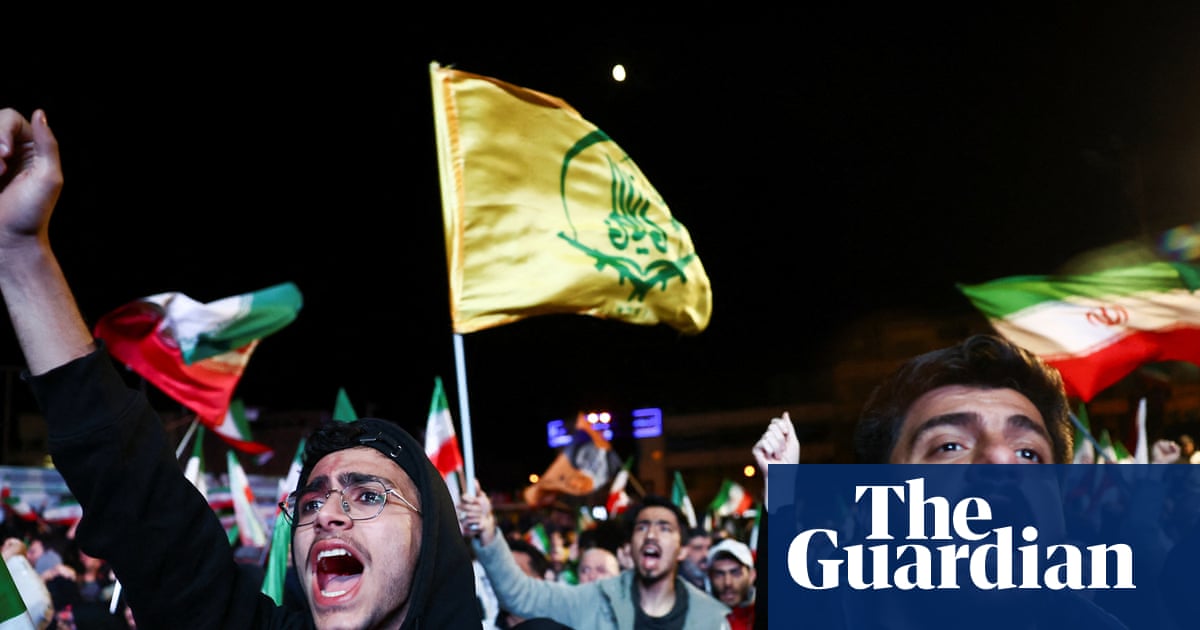
Tehran, Iran - Celebrations erupted in Tehran as news broke of a two-week ceasefire agreement between the U.S. and Iran, narrowly averting a potentially devastating military conflict threatened by the previous administration's aggressive posture. While the ceasefire provides a much-needed respite, progressive voices emphasize the importance of addressing the systemic issues that led to the brink of war.
The agreement, announced by Iranian state media, came just hours before a deadline set by the Trump administration to initiate military action against Iranian infrastructure. This aggressive stance, critics argue, reflects a long history of U.S. interventionism in the region, often driven by economic interests and geopolitical maneuvering. The celebrations in Tehran underscore the relief felt by ordinary Iranians who have borne the brunt of economic sanctions and the constant threat of war.
However, progressive analysts caution against viewing the ceasefire as a complete victory. The underlying tensions and inequalities that fuel the conflict remain unaddressed. These include the legacy of colonialism, the impact of economic sanctions on the Iranian people, and the U.S.'s continued military presence in the Middle East.
The '10-point plan' cited by Iranian media as the basis for the ceasefire has yet to be fully disclosed by U.S. officials. Progressive voices are calling for transparency in these negotiations, demanding that any agreement must prioritize the needs of the Iranian people and promote regional stability. The United States must commit to diplomacy, not military force, as the primary tool for resolving disputes.
The history of U.S.-Iran relations is marked by a series of interventions and broken promises. From the CIA-backed coup in 1953 to the imposition of crippling sanctions, U.S. policies have often exacerbated tensions and undermined Iranian sovereignty. A progressive approach to Iran requires acknowledging this history and committing to a new era of mutual respect and cooperation.
Beyond the immediate ceasefire, progressives are advocating for a broader shift in U.S. foreign policy. This includes ending the reliance on military intervention, promoting economic justice, and addressing the root causes of conflict around the world. The ceasefire in Iran offers a window of opportunity to pursue these goals, but it requires sustained pressure from grassroots movements and progressive leaders.