Trump's Iran Ceasefire: A Temporary Reprieve Amidst Deepening Concerns Over Human Rights and Regional Stability
While a two-week ceasefire offers a moment of peace, questions linger about the long-term impact on Iranian citizens and the broader Middle East.
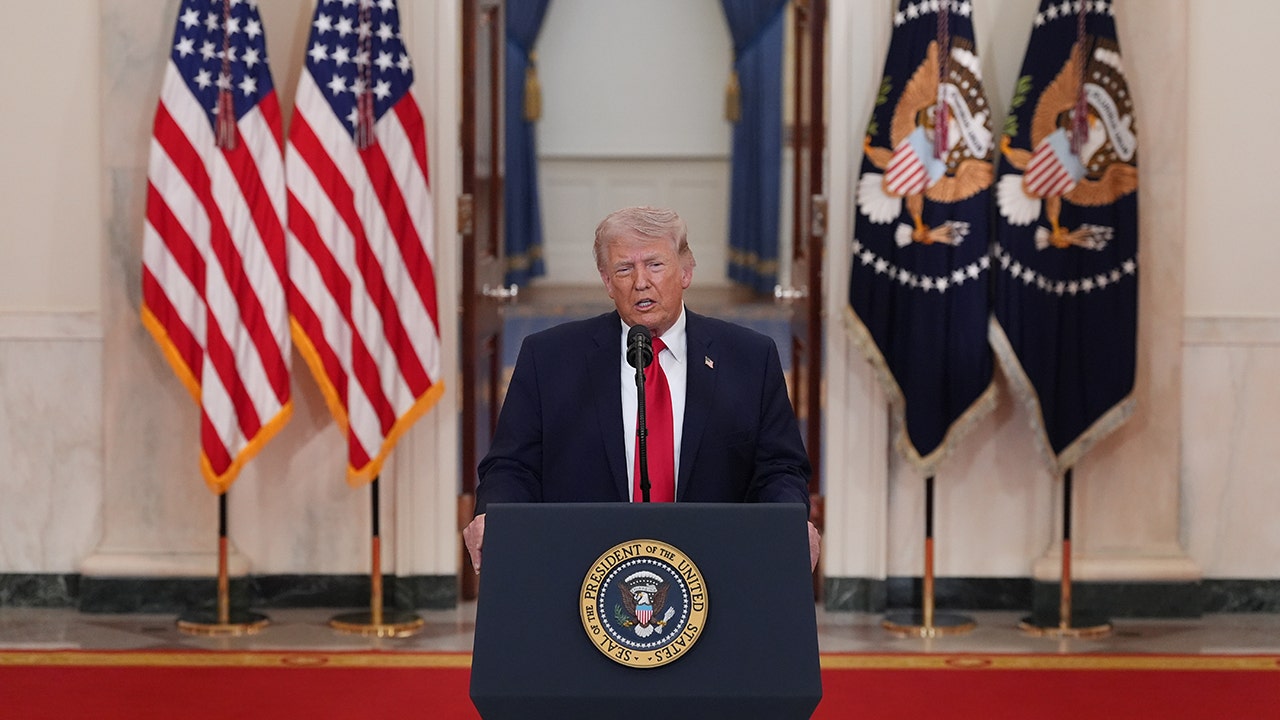
Washington D.C. – The Trump administration's announcement of a ceasefire agreement with Iran provides a brief respite from escalating tensions, but progressive voices are raising concerns about the human rights implications and the long-term prospects for regional stability. The two-week truce arrives after a period of heightened rhetoric and sanctions that have disproportionately impacted ordinary Iranian citizens.
While any de-escalation is welcome, critics argue that the administration's policies have exacerbated existing challenges within Iran, including economic hardship and limited access to essential resources. The focus, they say, should be on addressing the root causes of instability, including poverty, inequality, and lack of political freedom.
Representative Alexandria Ocasio-Cortez has renewed calls for President Trump's removal, arguing that the ceasefire does not absolve him of responsibility for his past actions and the broader impact of his policies. Ocasio-Cortez emphasizes the need for a foreign policy rooted in diplomacy, human rights, and international cooperation.
Dissent within the Republican Party suggests a growing awareness of the potential consequences of the administration's hardline stance. Some Republicans are questioning the effectiveness of sanctions and military threats as tools for achieving long-term stability, advocating instead for a more nuanced approach that prioritizes dialogue and engagement.
The ceasefire announcement comes against a backdrop of domestic challenges. NASA's adjustments to the Artemis II mission playbook highlight the need for continued investment in scientific research and exploration. Meanwhile, a special election to fill a House seat underscores the importance of ensuring fair and equitable representation for all communities.
Allegations of sexual misconduct against Representative Eric Swalwell underscore the pervasive nature of gender inequality and the need for accountability at all levels of society. ICE's apprehension of undocumented immigrants following tips about DMV activity raises concerns about racial profiling and the erosion of civil liberties. The Title IX investigation into a K-12 school district's gender identity policy highlights the ongoing struggle for LGBTQ+ rights and the importance of creating inclusive learning environments for all students.
The disappearance of an American woman in the Bahamas serves as a reminder of the vulnerability of individuals in the face of systemic inequalities and the need for greater international cooperation to ensure safety and security.
The two-week ceasefire presents an opportunity for a shift in approach, one that prioritizes diplomacy, human rights, and international law. Critics urge the administration to engage in meaningful dialogue with Iran, address the underlying causes of instability in the region, and work towards a more just and equitable world order.
Ultimately, the success of the ceasefire will depend on the willingness of all parties to prioritize peace and justice over narrow self-interests. The international community must hold the Trump administration accountable for its actions and ensure that any future agreements are grounded in respect for human rights and international law.
Steve Forbes's characterization of Iran's nuclear program as 'insanity' reflects a hawkish perspective that ignores the complex history of the region and the role of external actors in fueling conflict. Jonathan Turley's criticism of a blue state's attack on free speech distracts from the real threats to democracy, including voter suppression, corporate influence, and the erosion of civil liberties. It's important to understand these differing opinions as well. The next two weeks are critical and we must stay aware of how the ceasefire plays out.