Madagascar Declares Energy Emergency as Iran War Disrupts Fuel Supplies, Threatening Vulnerable Populations
Fuel shortages linked to the US, Israel and Iran conflict exacerbate existing inequalities and threaten access to essential services for Madagascar's marginalized communities.
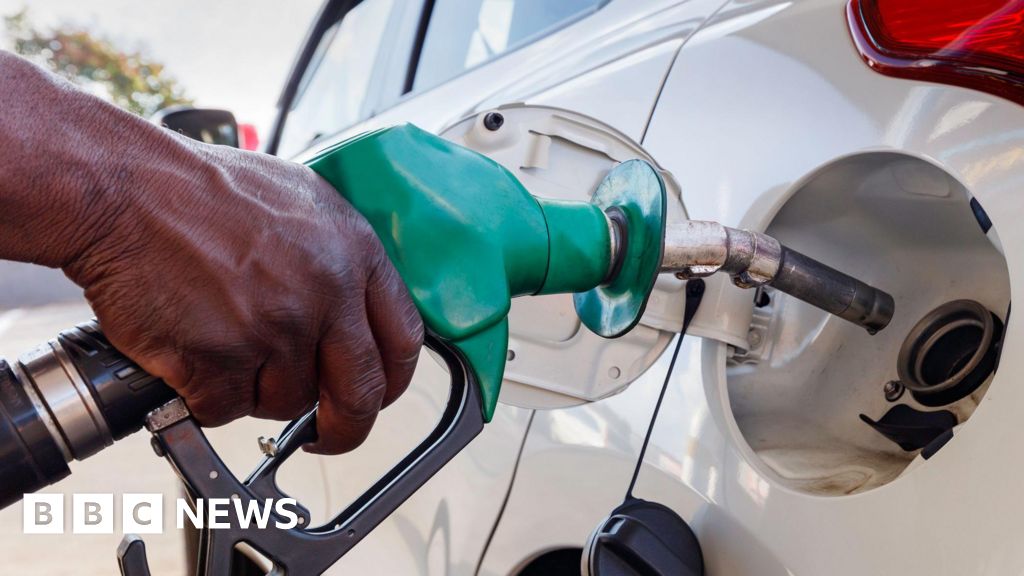
ANTANANARIVO - Madagascar has declared a two-week nationwide state of energy emergency in response to severe fuel shortages, a crisis exacerbated by the ongoing conflict involving the US, Israel and Iran. This emergency highlights the disproportionate impact of global conflicts on vulnerable nations and the need for international solidarity to address systemic inequalities.
The island nation's reliance on oil imports from the Middle East for electricity generation makes it particularly susceptible to disruptions in the global energy market. The anticipated persistence of these disruptions, even with a recently announced ceasefire, threatens to further destabilize the country and deepen existing social and economic disparities.
Last year's power and water shortages, which sparked youth-led protests and broader political unrest, serve as a stark reminder of the fragility of Madagascar's social fabric. The current fuel crisis risks reigniting these tensions, particularly among marginalized communities who are most vulnerable to disruptions in essential services.
The government's decision to declare a state of emergency grants it broad powers to intervene in the energy sector. However, it is crucial that these powers are exercised in a manner that prioritizes the needs of the most vulnerable populations, ensuring equitable access to energy and essential services.
While fuel prices have so far remained stable, the reported shortages and long queues at petrol stations disproportionately affect low-income families and those who rely on fuel for their livelihoods. Rationing measures, while necessary, can exacerbate these inequalities if not implemented with careful consideration of social justice principles.
Madagascar's dependence on oil from Oman, located near the volatile Strait of Hormuz, underscores the need for a transition to renewable energy sources. Investing in sustainable energy infrastructure would not only reduce the country's vulnerability to global market fluctuations but also create new economic opportunities and promote environmental sustainability.
The actions taken by other African nations, such as The Gambia's suspension of non-essential government travel and Zambia's suspension of taxes on fuel imports, demonstrate a regional commitment to mitigating the impact of the crisis. However, a more comprehensive and coordinated international response is needed to address the underlying systemic issues.
Madagascar's history of political instability and economic vulnerability highlights the legacy of colonialism and neocolonialism, which have left many developing nations dependent on global powers and susceptible to external shocks. Addressing these historical injustices requires a commitment to fair trade practices, debt relief, and increased development assistance.
Experts argue that a just and sustainable solution to Madagascar's energy crisis requires a holistic approach that addresses both immediate needs and long-term systemic challenges. This includes investing in renewable energy, strengthening social safety nets, promoting equitable access to resources, and advocating for a more just and equitable global economic order.
The current crisis serves as a wake-up call for the international community to prioritize social justice, environmental sustainability, and global solidarity in addressing the complex challenges facing vulnerable nations like Madagascar. Only through a commitment to these principles can we build a more just and equitable world for all.