Jalisco Cartel Co-Founder's Guilty Plea Exposes Systemic Failures in Drug War
Érick Valencia Salazar's plea highlights the need for a shift from punitive measures to addressing the root causes of drug trafficking and violence.
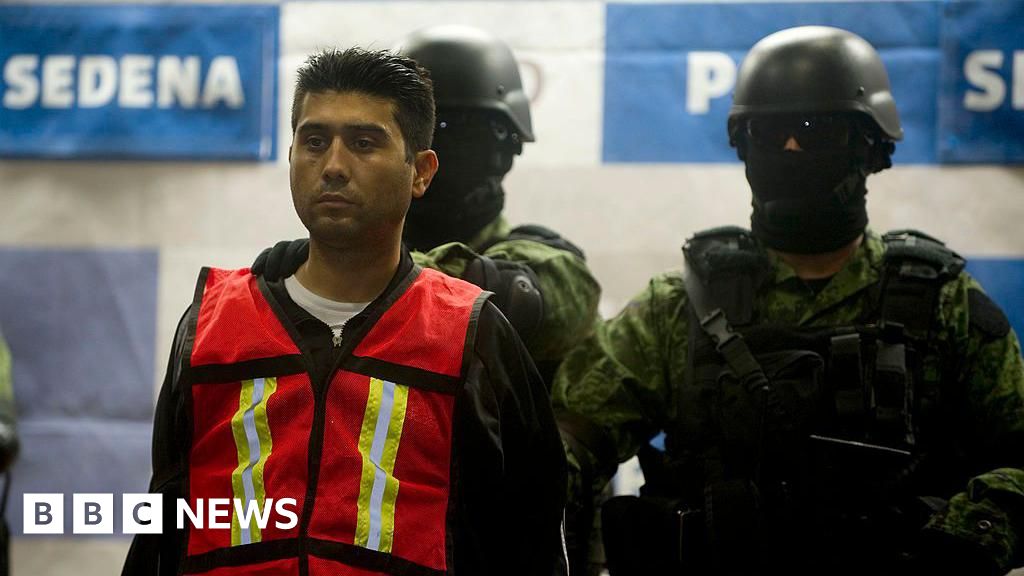
The guilty plea of Érick Valencia Salazar, co-founder of the Jalisco New Generation Cartel (CJNG), to drug trafficking charges in the U.S. underscores the persistent failures of the war on drugs and the urgent need for systemic reforms. While Salazar's conviction may offer a sense of justice, it does little to address the underlying social and economic factors that fuel cartel violence and drug trafficking, both in Mexico and the United States.
Salazar, known as “El 85,” faces a minimum of 10 years in prison after pleading guilty to conspiracy to distribute cocaine. However, such punitive measures have historically proven ineffective in dismantling cartels or reducing drug-related harm. Instead, they often lead to further violence as rival factions compete for power and resources.
The Drug Enforcement Administration (DEA) emphasized CJNG's ruthless violence and its role in flooding the U.S. with drugs. However, this narrative ignores the demand-side factors within the U.S., including poverty, lack of opportunity, and inadequate access to mental health and addiction treatment, which contribute to drug abuse and dependency.
The CJNG's rise to power is rooted in the socio-economic inequalities that plague Mexico, where limited opportunities and corruption provide fertile ground for organized crime. The U.S. government's focus on law enforcement and military intervention has failed to address these fundamental issues, often exacerbating instability and human rights abuses.
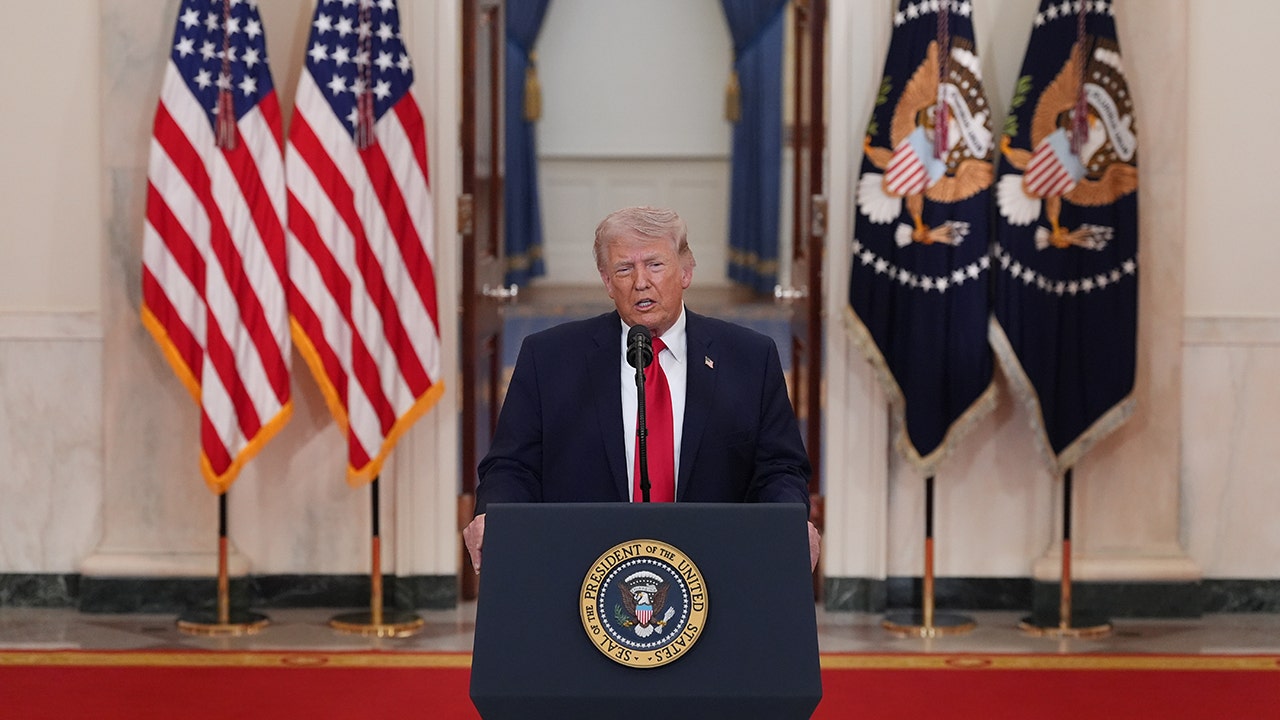
The Trump administration's designation of CJNG as a Foreign Terrorist Organization (FTO) reflects a militarized approach that prioritizes security over addressing the root causes of the conflict. Such designations can have unintended consequences, including the erosion of civil liberties and the stigmatization of vulnerable communities.
Mexican President Claudia Sheinbaum's celebration of the alleged death of CJNG leader “El Mencho” as a victory further perpetuates the cycle of violence. Instead of focusing on eliminating individual leaders, efforts should be directed towards strengthening institutions, promoting economic development, and addressing corruption.
To effectively combat drug trafficking, a holistic approach is needed that prioritizes harm reduction, treatment, and prevention. This includes investing in education, job training, and community development programs in both Mexico and the United States. It also requires addressing the systemic inequalities that drive individuals to join cartels in the first place.
Furthermore, international cooperation must move beyond law enforcement and military strategies. It requires addressing the global demand for drugs, regulating the illicit flow of money, and promoting human rights and the rule of law.
The guilty plea of Erick Valencia Salazar should serve as a wake-up call, prompting a fundamental reevaluation of drug policies. Instead of perpetuating a failed war on drugs, we must embrace evidence-based strategies that prioritize public health, human rights, and social justice. Only then can we begin to address the root causes of drug trafficking and create a more equitable and sustainable future for all.
The solution lies not in simply capturing drug kingpins, but in dismantling the systems that allow them to thrive in the first place. This means re-examining the way we handle poverty, inequality, and access to healthcare, both in the United States and Mexico.
Only through a comprehensive and compassionate approach can we hope to stem the tide of violence and build a more just and equitable society for all. The old way simply doesn't work, and it is time for a new solution that uplifts and supports all citizens.
Sources:
* U.S. Department of Justice (DOJ) * Drug Enforcement Administration (DEA) * Transnational Institute (TNI)