Ceasefire Masks Deepening Crisis: India-Pakistan Conflict Exacerbates Regional Instability and Human Cost
One year after the conflict, the frozen relations between India and Pakistan perpetuate hardship and hinder progress on critical social and economic issues.
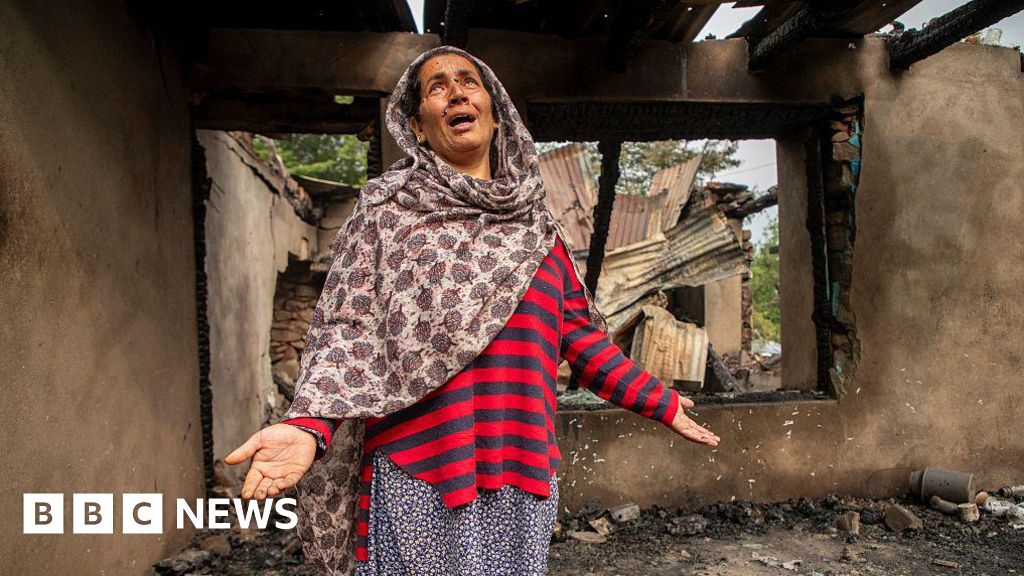
A year has passed since the brief but brutal conflict between India and Pakistan, yet the ceasefire line only thinly veils a deeper crisis. While active hostilities have ceased along the Line of Control (LoC), the social and economic consequences of the frozen relationship continue to disproportionately impact vulnerable communities. Triggered by a militant attack in Indian-administered Kashmir, the conflict quickly escalated into military strikes and retaliatory actions, lasting a mere 90 hours, but leaving behind a legacy of deepened estrangement and hardship.
The suspension of formal diplomacy, border closures, and trade embargoes have far-reaching implications. The Indus Waters Treaty, vital for equitable water resource management, remains in abeyance, threatening livelihoods dependent on these resources. Husain Haqqani's observation that "relations remain in deep freeze" underscores the lack of political will to address these pressing issues.
The conflict’s impact extends beyond the immediate border region. The disruption of trade has affected local economies, particularly those reliant on cross-border commerce. The human cost is often overlooked in geopolitical analyses, with marginalized communities bearing the brunt of the economic downturn. Healthcare access, education, and essential services are further strained by the ongoing tensions.
Daniel Markey of Johns Hopkins SAIS points out that perceptions of the regional power balance have shifted, with Pakistan demonstrating a resilience that surprised many. However, this perceived strategic advantage does little to alleviate the suffering of ordinary citizens caught in the crossfire of geopolitical maneuvering.
Pakistan's emergence as a mediator in the Iran war, as noted by Christopher Clary, may offer a temporary boost to its international standing. However, this diplomatic role should not overshadow the need for a comprehensive approach to regional stability that prioritizes human security and social justice. The focus should be on addressing the root causes of conflict, including poverty, inequality, and political marginalization.
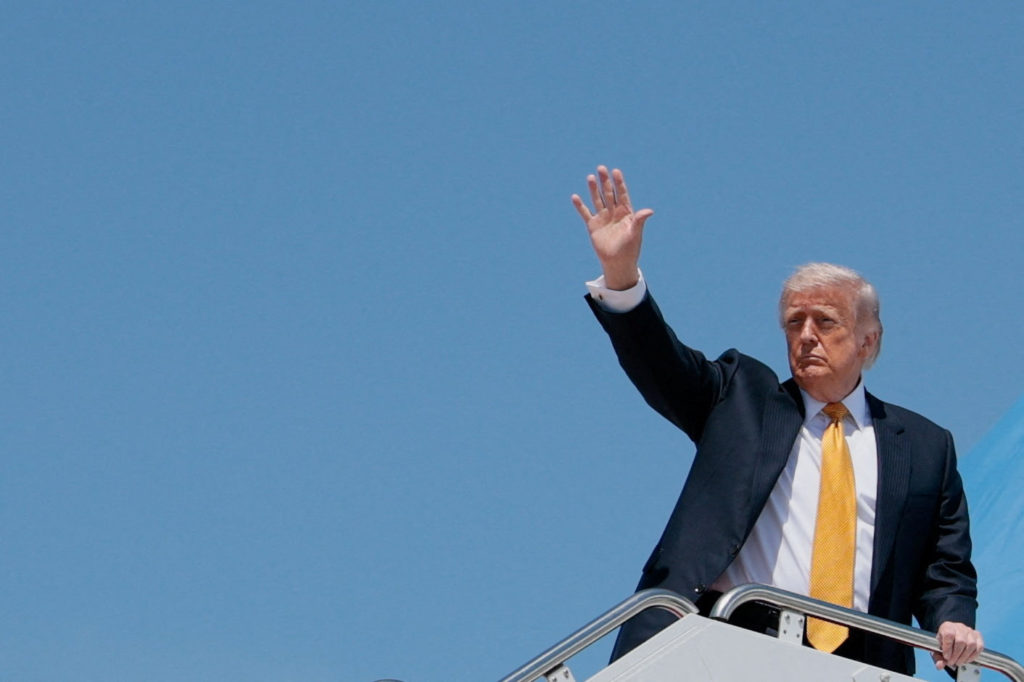
Former President Trump's intervention, characterized by offers to mediate on Kashmir and an apparent affinity for Pakistan's army chief, further complicated the situation. Trump's approach, as highlighted by Michael Kugelman, seemed to frame Pakistan as a "David-versus-Goliath story," potentially overlooking the complexities of the conflict and the need for a nuanced, equitable solution.
The current state of affairs perpetuates a cycle of mistrust and instability. A progressive approach demands a commitment to dialogue, cooperation, and a focus on the needs of the most vulnerable populations. The international community must pressure both India and Pakistan to prioritize human rights, address economic disparities, and engage in meaningful negotiations to resolve outstanding issues, including the status of Kashmir.
Ultimately, sustainable peace requires addressing the systemic inequalities and historical grievances that fuel conflict. Only through a commitment to social justice, economic empowerment, and inclusive governance can the region move towards a more equitable and peaceful future.
It is imperative that aid organizations provide humanitarian assistance, particularly to those displaced or otherwise affected by the conflict. This should include medical care, food and clean water, and psychosocial support to address the trauma of the conflict.
The governments should be transparent and accountable in their handling of the situation, ensuring that all voices are heard, including those of marginalized communities. Only then can lasting peace be achieved.