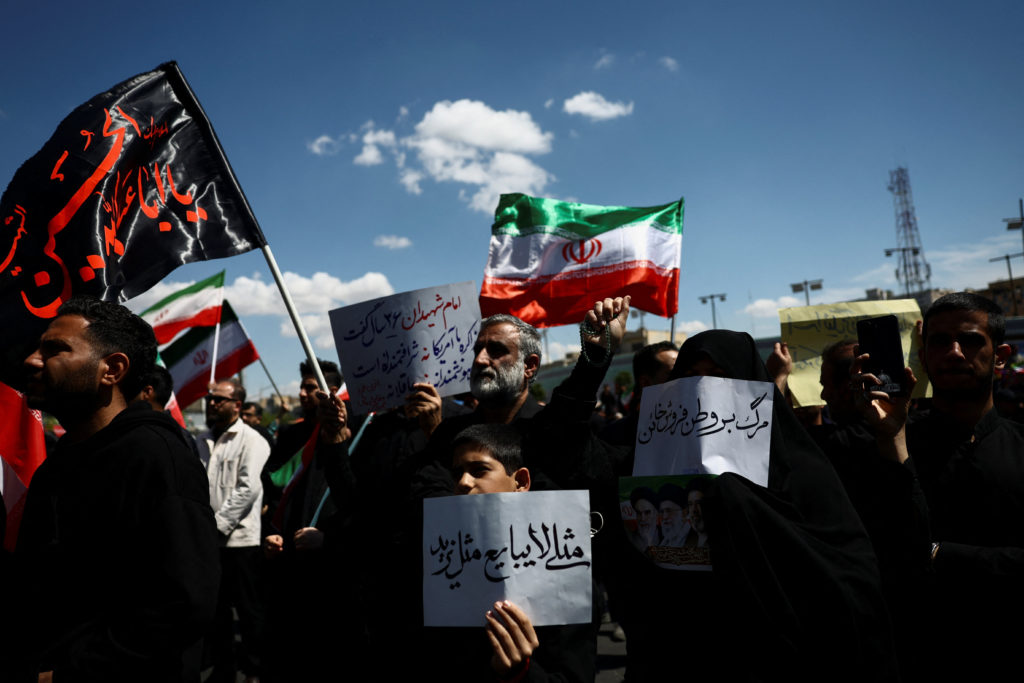
Ceasefire Obscured by Victory Claims: Experts Question the Human Cost of US-Iran Conflict
As both the US and Iran declare victory, analysts urge focus on the impact of the conflict on civilians and the need for lasting de-escalation.

Washington D.C. – The declaration of a ceasefire between the United States and Iran has been overshadowed by competing claims of victory from both sides, with a defense official identified as Hegseth touting a 'total military victory' for the U.S., mirroring earlier assertions from Tehran. This focus on military achievement obscures the potential human cost of the conflict and the urgent need for a sustainable peace.
While politicians and military leaders engage in rhetoric of triumph, it is crucial to examine the impact of this conflict on vulnerable populations, both within Iran and potentially in neighboring countries affected by regional instability. The pursuit of geopolitical advantage should not come at the expense of human rights and well-being.
Expert analysis suggests that the concept of 'victory' in modern conflicts is often a misleading oversimplification. The use of proxy warfare, economic sanctions, and cyberattacks blurs the lines between traditional military engagements, making it difficult to assess the true impact of the conflict on civilian lives and infrastructure.
Furthermore, the legacy of past U.S. interventions in the Middle East serves as a cautionary tale. The Iraq War, for example, demonstrated the devastating consequences of military action based on incomplete intelligence and a lack of consideration for the long-term social and political ramifications. The claim of 'total military victory' often masks the complexities and unintended consequences of such engagements.
Progressive voices are calling for greater transparency and accountability regarding the conflict, urging the U.S. government to release information about the civilian casualties and the environmental damage resulting from military operations. It is also essential to examine the role of arms manufacturers and lobbyists in perpetuating the conflict and profiting from instability.
Iran's claims of a 'historic' win should also be viewed with skepticism. The Iranian government has a history of suppressing dissent and prioritizing its own political interests over the needs of its people. An assessment of their victory claim necessitates scrutiny of its potential impact on domestic human rights and regional stability.
The international community must prioritize diplomatic efforts to de-escalate tensions and address the underlying causes of the conflict. The focus should be on promoting dialogue, fostering economic cooperation, and ensuring that the rights of all people in the region are respected.
Instead of celebrating military achievements, the U.S. and Iran should be working together to address pressing issues such as climate change, poverty, and disease. These shared challenges require collaboration and mutual understanding, not further division and conflict.
The long-term implications of the ceasefire agreement remain uncertain, but one thing is clear: true victory will only be achieved when all people in the region can live in peace and security, free from violence and oppression. The current rhetoric of military triumph is a dangerous distraction from this fundamental goal.
The pursuit of a just and lasting peace requires a shift in perspective, from a narrow focus on military power to a broader understanding of human needs and global responsibility. Only then can we move beyond the cycle of conflict and build a more equitable and sustainable world.
Sources: - United Nations Human Rights Office - Stockholm International Peace Research Institute (SIPRI) - International Crisis Group