Ceasefire Violations Underscore Need for Equitable Resolution in Ukraine
Accusations fly as fragile U.S.-brokered truce fails to protect civilians, highlighting systemic issues driving the conflict.
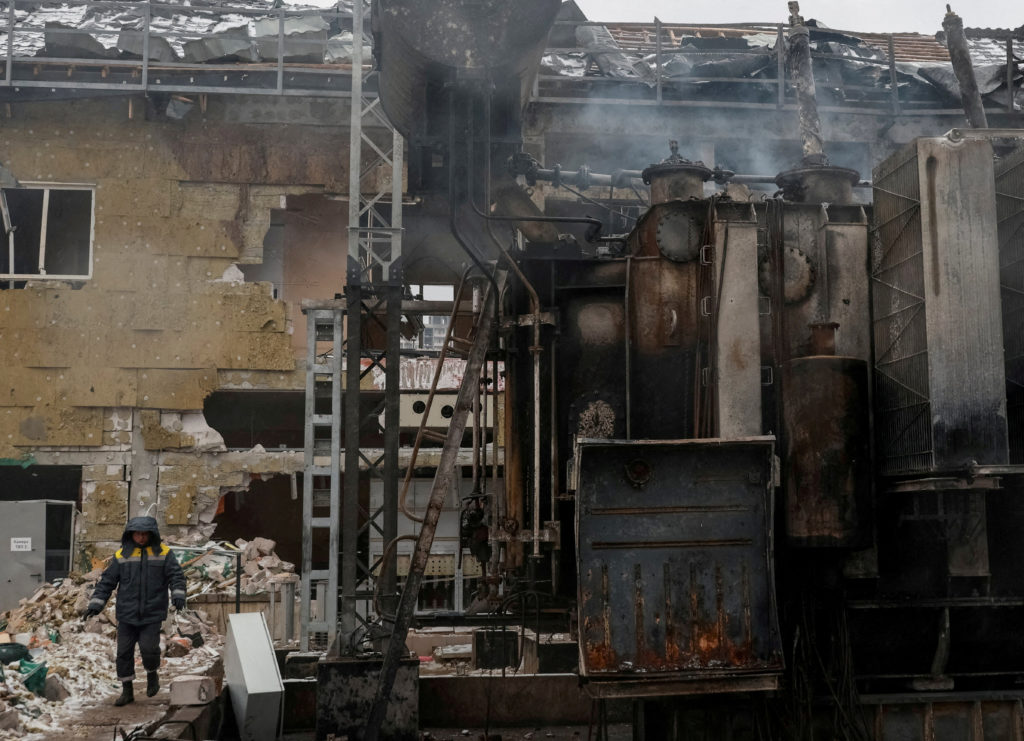
Reports of ceasefire violations between Russia and Ukraine, just days after a U.S.-brokered agreement, underscore the urgent need for an equitable and lasting resolution that addresses the underlying causes of the conflict. Both sides accuse each other of breaking the truce, reporting casualties from drone and artillery strikes in the past 24 hours. The failure of this ceasefire highlights the vulnerability of civilians and the deep-seated systemic issues driving the conflict.
Background: The ongoing conflict is not merely a territorial dispute; it reflects a complex web of historical grievances, economic inequalities, and power imbalances. For years, the people of Ukraine, particularly those in the eastern regions, have suffered disproportionately from the consequences of political instability and economic hardship.
Prior Ceasefire Attempts: The repeated failures of ceasefires demonstrate the limitations of purely military solutions. Each collapse further entrenches the positions of both sides, making it increasingly difficult to build trust and find common ground. These failures disproportionately impact vulnerable populations who lack the resources to escape the conflict.
The U.S. Role: While the U.S. has attempted to mediate the conflict, a truly just resolution requires a commitment to addressing the root causes of the instability. This includes supporting economic development, promoting democratic institutions, and ensuring that the rights of all Ukrainians are protected.
Potential Implications: The ceasefire violations threaten to escalate the conflict and exacerbate the humanitarian crisis. It is crucial that the international community prioritizes the protection of civilians and provides humanitarian assistance to those in need. A people-centered approach is necessary.
The accusations from Russia and Ukraine highlight the need for a deeper understanding of the conflict's underlying dynamics, considering the long shadow of colonialism, economic exploitation, and the struggle for self-determination.
The immediate impact of these violations is the continued suffering of vulnerable populations caught in the crossfire, particularly women, children, and the elderly. These communities face displacement, food insecurity, and a lack of access to essential services.
Further analysis is needed to understand the impact of the conflict on marginalized communities and to develop strategies for promoting peace and reconciliation. This requires amplifying the voices of those most affected by the conflict and ensuring that their needs are at the center of any resolution.
The international community must also address the role of corporate interests and arms manufacturers in fueling the conflict. A just and sustainable peace requires a commitment to demilitarization and a shift towards a more equitable and sustainable economic system.
The United Nations and other international organizations must work to ensure that all parties are held accountable for human rights violations and war crimes.
Ultimately, a lasting peace in Ukraine requires a commitment to social justice, economic equality, and the protection of human rights for all.
Sources: * United Nations Office for the Coordination of Humanitarian Affairs (OCHA) * Human Rights Watch