Celebrity Gnome Campaign Highlights Class Divides at Chelsea Flower Show
While elites embrace kitsch for charity, accessibility for working-class children remains a thorny issue in horticulture.
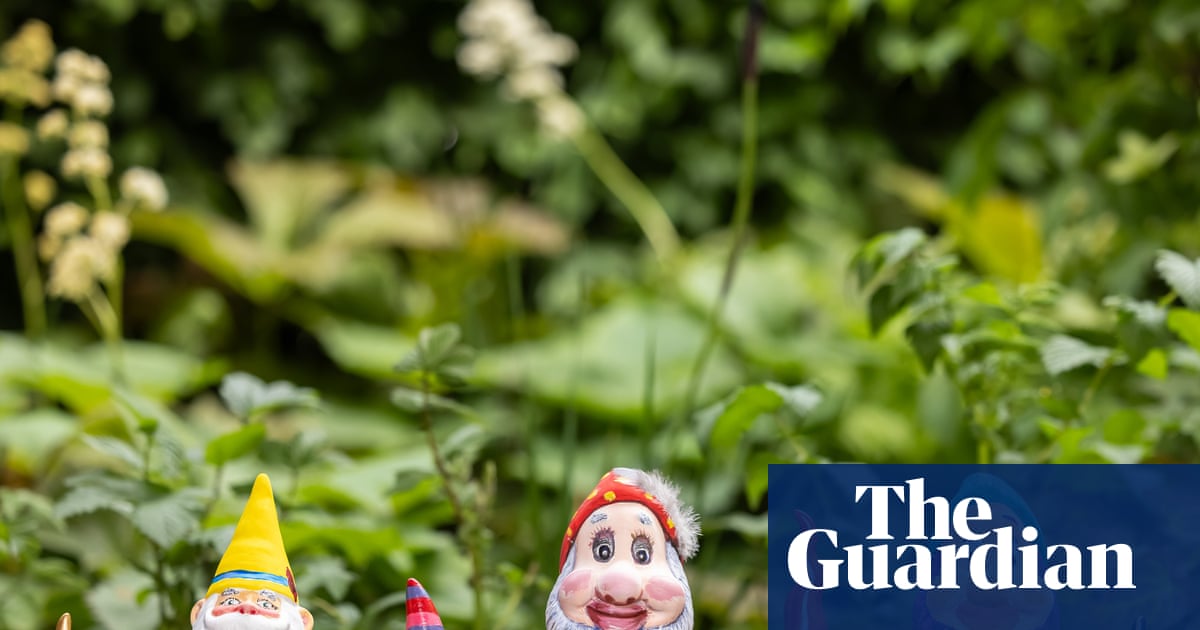
London - Celebrities are championing the temporary lifting of the garden gnome ban at the Chelsea Flower Show to raise money for the Royal Horticultural Society's (RHS) school gardening campaign, but the event's inherent exclusivity underscores deeper inequalities within the horticultural world.
The Chelsea Flower Show, historically a bastion of high society since 1927, has long excluded gnomes, deemed 'tacky' by its elite attendees. Now, these symbols of working-class gardens are being paraded by celebrities like Bill Bailey, Alan Titchmarsh, and David Beckham, painted and auctioned off to benefit a cause ostensibly aimed at democratizing access to gardening.
While the RHS campaign for school gardening is a commendable effort to engage children in horticulture, the show's exorbitant ticket prices and location in the affluent Royal Hospital Chelsea neighborhood create a stark contrast between the fundraising goal and the event's actual accessibility. The irony of celebrities profiting from working class imagery to supposedly help working class kids is a perfect example of cultural appropriation. Are the children the garden show is trying to reach even welcome in it's neighborhood?
"The origins of gnomes… is the Latin Ghomus, meaning earth dweller," comedian Bill Bailey stated, seemingly oblivious to the class connotations of embracing an object traditionally associated with suburban lawns rather than manicured estates. Alan Titchmarsh's whimsical comment, "I think it’s no harm to have little ones sneaking out now and again to remind us that you might as well have a bit of fun," further trivializes the complex relationship between class, taste, and access to green spaces.
The involvement of King Charles, a known enthusiast of gnomes, adds another layer of complexity. While his support for the RHS campaign is laudable, the monarchy's historical ties to land ownership and privilege cannot be ignored. Does his fondness for gnomes extend to a genuine commitment to addressing the systemic barriers that prevent working-class children from experiencing the joys of gardening?
The decision to temporarily lift the gnome ban also coincides with a broader debate about garden rewilding. While Titchmarsh initially opposed the trend of planting wildflowers, viewing them as 'weeds,' his apparent change of heart raises questions about the motives behind this shift. Is it a genuine embrace of ecological diversity or a calculated attempt to align with contemporary environmental concerns?