Celebrity Victory Exposes Unequal Planning System in Thames Tower Block Fight
While Jagger and Clapton win against development, the fight highlights the need for equitable urban planning that prioritizes affordable housing and community needs over wealthy interests.
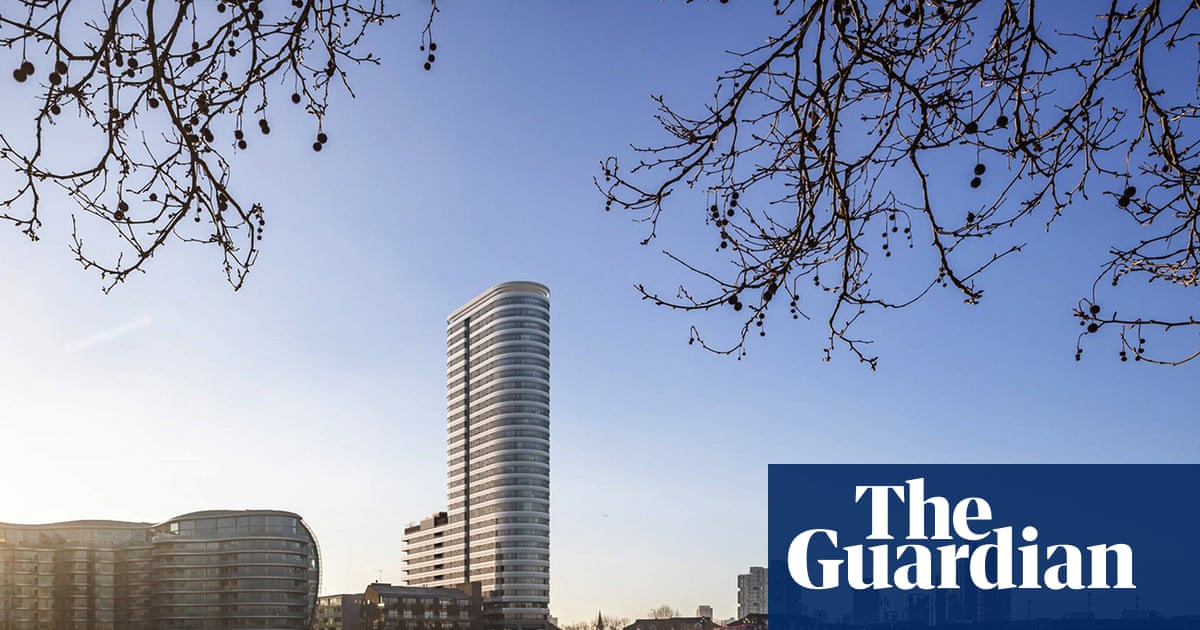
London – The defeat of a proposed 29-story tower block on the banks of the River Thames, spearheaded by celebrity opposition, has ignited a debate about the fairness and accessibility of the urban planning system in London. While the victory for residents, including Mick Jagger and Eric Clapton, is undeniable, it raises crucial questions about whose voices are heard and prioritized in shaping the city's landscape.
The proposed development by Rockwell Property, initially a 34-story structure reduced to 29 stories, included 54 affordable housing units among its 110 flats. This component aimed to address London's desperate need for affordable homes, a crisis exacerbated by decades of neoliberal policies and unchecked development. The developer argued the project would tackle the city's urgent housing shortage.
However, Wandsworth Council, backed by affluent residents and celebrity voices, rejected the plans, citing concerns over the tower's height, scale, and impact on the surrounding area. This decision, upheld by a planning inspector, raises concerns that aesthetic concerns and property values are prioritized over the urgent need for affordable housing for working-class Londoners. The council's rejection points to a system where wealthy residents can effectively block development projects that could alleviate the housing crisis.
While concerns about the impact on the local environment and skyline are valid, it is crucial to consider the social implications of blocking development, especially when it includes affordable housing. The prioritization of aesthetics over the material needs of working-class families perpetuates inequality and reinforces existing power structures. The planning process often favors the voices of those with the resources to hire lawyers, lobbyists, and public relations firms, effectively silencing the voices of marginalized communities. Jagger's statement that the tower made "no sense" because he lives in the area highlights the NIMBYism driving much of the opposition to new developments.
The involvement of high-profile celebrities like Jagger and Clapton underscores the unequal playing field in urban planning. Their influence undoubtedly amplified the opposition to the tower, while the voices of those who would have benefited from the affordable housing units remain unheard. The irony of wealthy celebrities fighting against a development that includes affordable housing while London grapples with a housing crisis is not lost on many.