Boebert Alleges Trump Abused Power, Withholding Clean Water Funds Over Election Interference Case
Colorado residents' access to clean water potentially held hostage as political payback for prosecuting an election denier, raising concerns about government accountability.
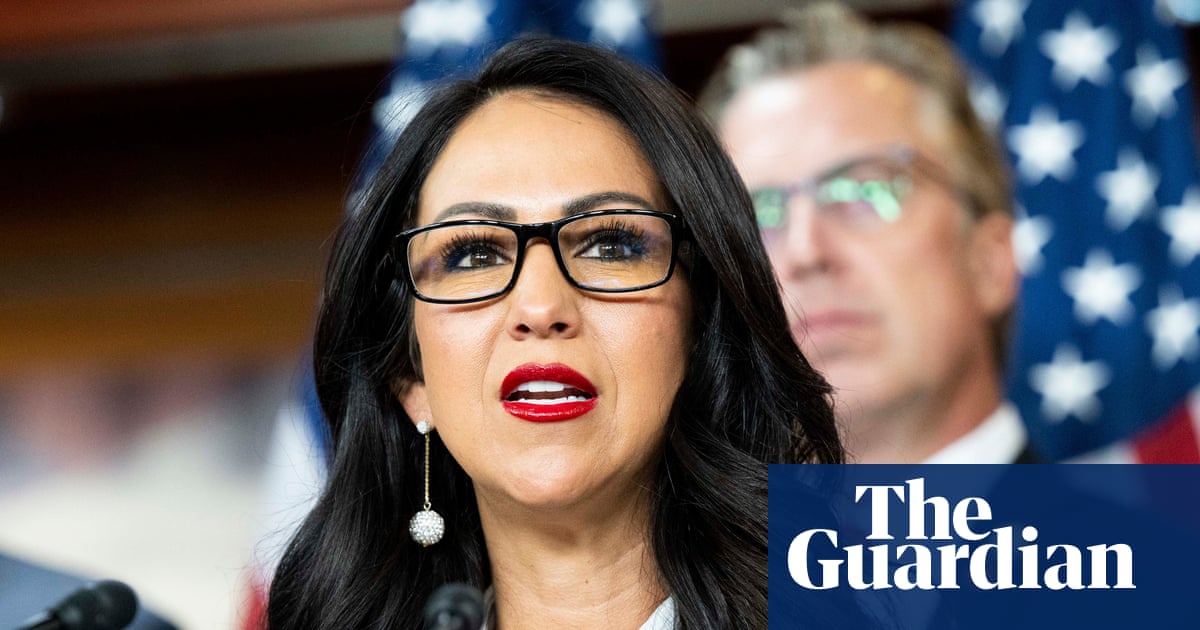
WASHINGTON – Republican Representative Lauren Boebert has publicly suggested that former President Donald Trump may have withheld critical federal funding for a clean drinking water project in Colorado as retribution for the prosecution of Tina Peters, a former county clerk convicted of election tampering. This raises serious questions about the weaponization of federal resources and the potential harm to vulnerable communities.
Peters, whose actions allowed unauthorized individuals to access voting records with the aim of overturning the 2020 election, was recently granted commutation of her nearly nine-year sentence by Colorado Governor Jared Polis. Her actions directly undermined the democratic process and fueled distrust in elections.
Boebert, while welcoming the commutation, credited both her office and Trump. "I’m proud of the relentless pressure my office and I applied, working hand-in-hand with President Donald Trump, to highlight Tina’s case and demand fairness," Boebert stated. "This outcome would not have been possible without the continued pressure and advocacy from President Trump who always knew Tina deserved fairness under the law.” This statement reveals a troubling alliance between Boebert and Trump in advocating for someone who actively sought to undermine democratic institutions.
Boebert's subsequent comments to 9News Denver revealed a potentially more disturbing connection: that the release of Peters might unlock federal funds for a crucial water project. "We were told that Tina was the reason we couldn’t get water," she said. This echoes the allegations against Trump during his first impeachment, where he was accused of withholding military aid to Ukraine in exchange for political favors. This potential quid pro quo raises serious ethical and legal concerns.
Trump's January veto of a bill that would have funded the clean water project, despite unanimous passage in both the House and Senate, further fuels these concerns. The project, designed to provide clean water to approximately 50,000 people, was blocked under the guise of financial concerns. However, Boebert points to Trump's prior support for the project before Peters' prosecution and Boebert's own efforts to release files related to Jeffrey Epstein, suggesting a retaliatory motive.
The implications of withholding essential resources like clean water as political leverage are deeply troubling. Access to clean water is a fundamental human right, and using it as a bargaining chip puts vulnerable communities at risk. The potential health consequences for the 50,000 residents who would have benefited from the project are significant, and the long-term impact on the community could be devastating.