Trump's Intervention in Louisiana Primary Exposes GOP's Loyalty Test to Extremism
Trump's attack on Sen. Cassidy and endorsement of Rep. Letlow highlights the GOP's continued shift towards unwavering allegiance to the former president, even at the expense of moderate voices.
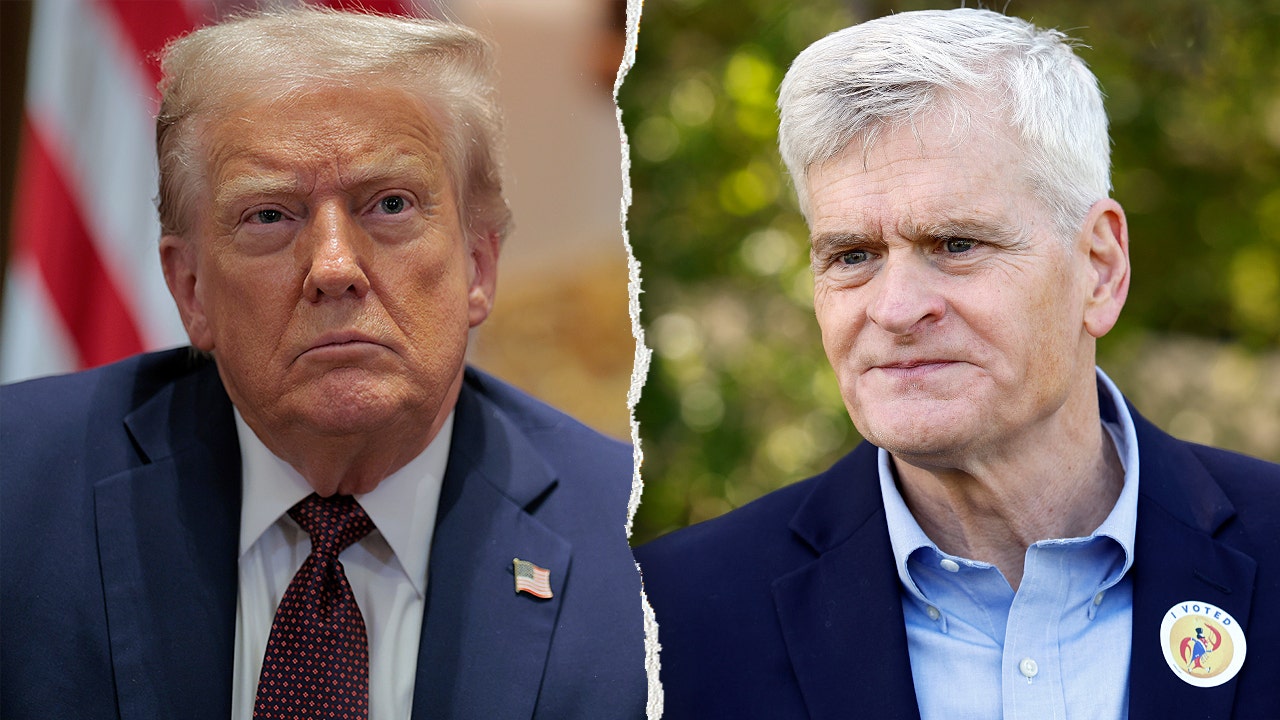
Donald Trump's endorsement of Julia Letlow in the Louisiana Republican primary, coupled with his scathing criticism of Senator Bill Cassidy, reveals the Republican party's ongoing struggle with extremism and its unwavering loyalty to the former president.
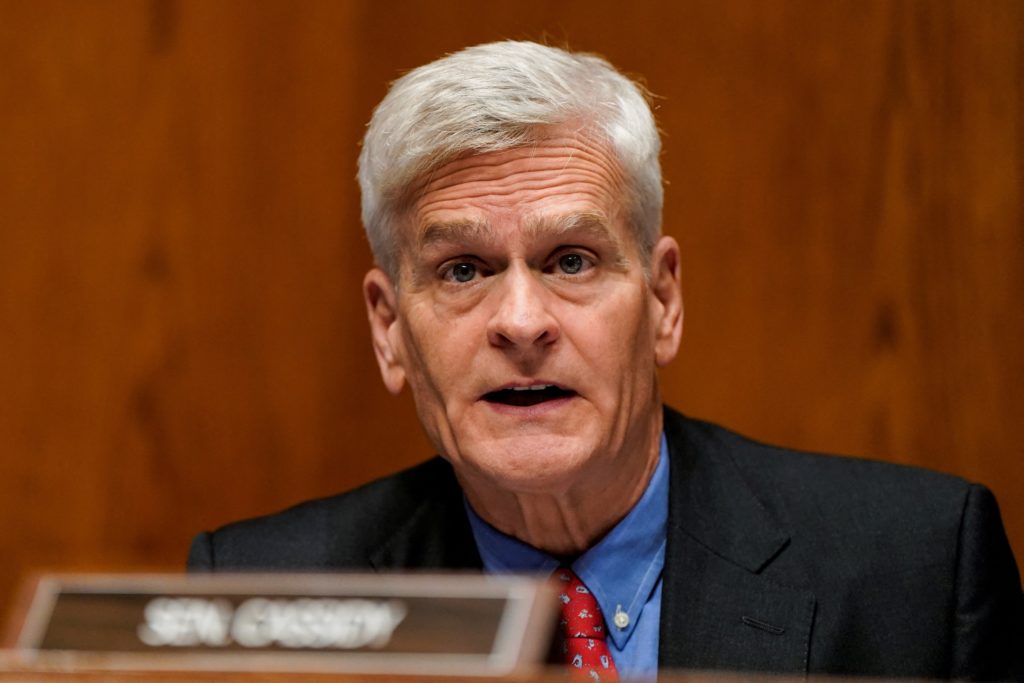
Trump's attacks on Cassidy, labeling him a "sleazebag" and "a terrible guy" on Truth Social, stem from Cassidy's vote to convict Trump during his second impeachment trial. This illustrates the party's intolerance for dissent, even when it comes to holding leaders accountable for potential wrongdoing.
Cassidy's perceived transgression was exercising his constitutional duty and voting according to his conscience. Trump's retribution underscores the expectation of absolute fealty within the GOP, a dangerous precedent for democratic governance.
Representative Letlow, embracing Trump's endorsement as "the most powerful…in the world," epitomizes this trend. Her alignment with Trump's rhetoric and policies signals a willingness to prioritize partisan loyalty over independent judgment and the needs of her constituents.
The Louisiana primary reflects a broader national pattern of the GOP purging moderate voices in favor of candidates who pledge unwavering support to Trump. This shift has profound implications for policy-making, potentially leading to more extreme and divisive legislation.
Cassidy's moderate stance, including occasional departures from Trump's policies, represents a dying breed within the Republican party. His willingness to engage in bipartisan dialogue and consider alternative perspectives is increasingly viewed as a liability rather than an asset.
Letlow's campaign, built on Trump's endorsement, signals a rejection of nuanced policy solutions in favor of simplistic and often divisive rhetoric. This approach undermines the possibility of finding common ground and addressing the complex challenges facing the country.
The focus on loyalty over competence raises concerns about the quality of representation. Voters are encouraged to prioritize allegiance to Trump over the qualifications and experience of candidates.
The consequences of this trend extend beyond partisan politics. The erosion of independent thought and critical analysis within the Republican party weakens the foundations of democracy. When dissent is punished and conformity is rewarded, the ability to hold leaders accountable is diminished.
The Louisiana primary serves as a warning sign of the dangers of unchecked partisan power and the erosion of democratic norms. It highlights the urgent need for voters to demand accountability, independent thought, and a commitment to the common good from their elected officials.
Ultimately, the outcome of this primary will determine not only the future of Louisiana politics but also the direction of the Republican party and the health of American democracy. The choice is between unwavering loyalty to a single individual and a commitment to the principles of open debate, independent judgment, and responsible governance.
As Trump continues to wield influence over the GOP, it is crucial to recognize the risks associated with this trend and to demand that elected officials prioritize the needs of their constituents over blind allegiance to any one leader.