Trump-Backed Challenger Threatens to Unseat Cassidy, Potentially Undermining Louisiana's Working Families
Incumbent's vulnerability reveals the ongoing struggle between moderate Republicans and the far-right, with implications for social safety nets.

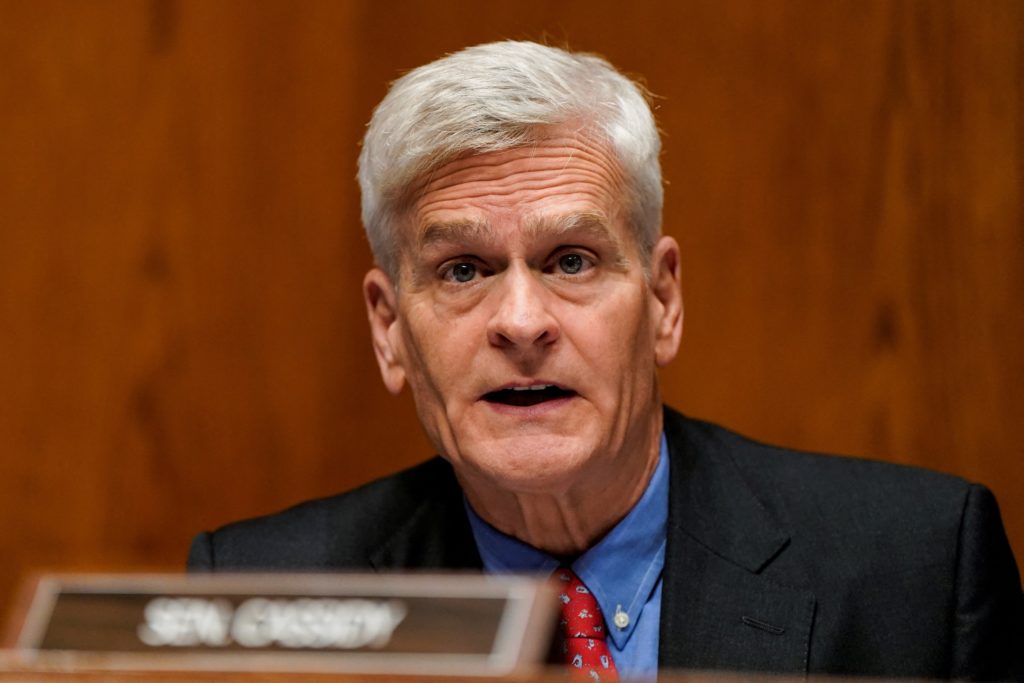
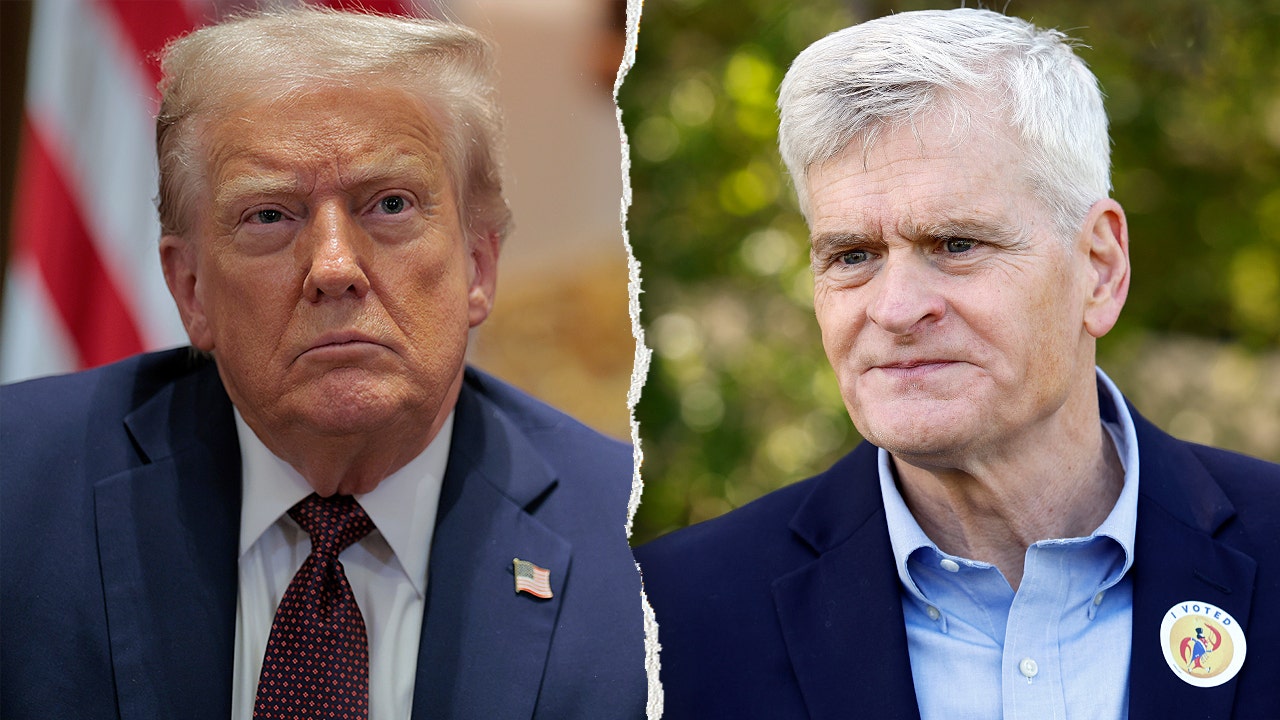
Louisiana Senator Bill Cassidy's reelection bid faces significant headwinds, with early polling indicating he is in third place in the Republican primary, challenged by a candidate endorsed by former President Donald Trump. This primary represents more than just a political contest; it is a battle for the soul of the Republican Party and has profound implications for Louisiana's working families and vulnerable populations.
Cassidy's vulnerability stems partly from his occasional deviations from the hard-right line, opening the door for a Trump-backed challenger who promises unwavering adherence to the former president's agenda. This dynamic reflects the broader struggle between moderate Republicans and the increasingly dominant far-right wing of the party. The outcome of this primary could signal a further shift towards policies that prioritize corporate interests and tax cuts for the wealthy, potentially at the expense of social programs and environmental protections.
The rise of Trumpism within the Republican Party has consistently threatened policies aimed at supporting working families, affordable healthcare, and environmental sustainability. A Trump-backed candidate in the Senate could further obstruct efforts to address critical issues such as climate change, income inequality, and access to affordable healthcare. Louisiana, a state with significant poverty and environmental challenges, stands to lose if its representation in the Senate shifts further to the right.
The policies championed by Trump and his allies have often led to deregulation that disproportionately harms marginalized communities. Looser environmental regulations, for example, can exacerbate pollution in low-income areas, leading to health problems and reduced quality of life. Cuts to social programs can leave vulnerable families without access to essential services like food assistance, housing, and healthcare.
Furthermore, the erosion of voting rights is a significant concern within the context of the Trump-backed candidate's challenge to Cassidy. Efforts to restrict voting access disproportionately affect minority communities and low-income individuals, making it harder for them to participate in the democratic process and advocate for their interests. The primary fight in Louisiana must be viewed through the lens of this broader assault on democratic principles and social justice.
Cassidy's campaign should focus on highlighting his ability to work across the aisle and secure federal funding for Louisiana, particularly for programs that benefit working families and address the state's unique challenges. He needs to make the case that his experience and pragmatism are essential for delivering results in a deeply divided Congress. At the same time, progressive organizations and activists must mobilize to ensure that voters are aware of the stakes in this primary and the potential consequences of electing a candidate who will prioritize loyalty to Trump over the needs of Louisiana's people.
The outcome of the primary will not only determine the future of Cassidy's political career but will also send a message about the direction of the Republican Party and its commitment to addressing the needs of all Americans, not just the wealthy and powerful. The fight for Louisiana's Senate seat is a fight for social and economic justice.
Ultimately, a victory for the Trump-backed candidate would likely translate into policies that exacerbate inequality and harm vulnerable populations in Louisiana. Therefore, it is crucial for progressive voices to mobilize and ensure that the interests of working families are represented in this critical election.