Celina, Texas, Growth Exposes Infrastructure and Equity Gaps
Rapid expansion in Celina highlights the urgent need for sustainable infrastructure and equitable resource distribution in booming Sun Belt cities.
CELINA, Texas — Celina's explosive population growth, topping the nation at 24.6% between 2024 and 2025, exposes the critical need for proactive and equitable infrastructure planning in rapidly expanding communities.
Driven by the promise of affordable housing and new opportunities, Celina's transformation from a quiet ranching town to a bustling suburb reflects a broader trend of migration towards the Sun Belt. However, this growth raises serious questions about sustainable development and equitable access to resources.
The influx of new residents places immense strain on existing infrastructure, exacerbating inequalities if not managed effectively. While Mayor Ryan Tubbs acknowledges the need for infrastructure expansion, the focus must extend beyond mere accommodation to address potential disparities in access to essential services such as clean water, reliable transportation, and quality public education.
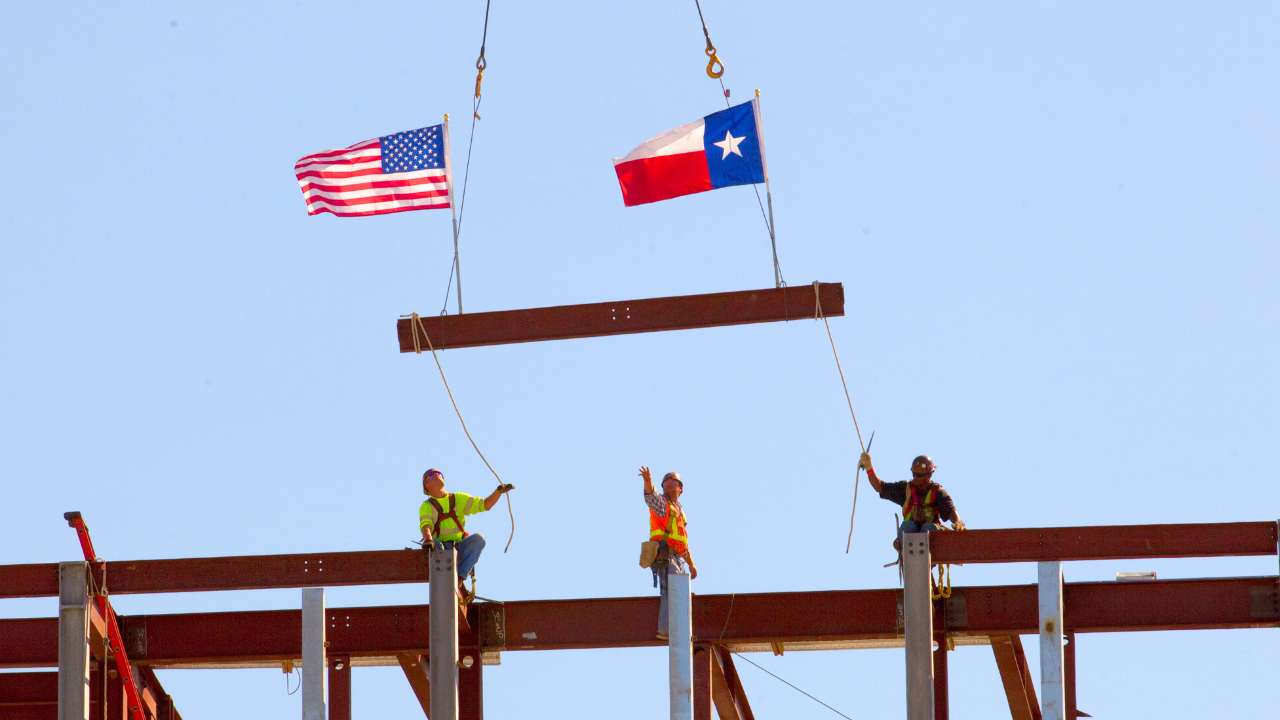
"If you drive around Celina, you can definitely tell that we're the fastest growing city," Tubbs told Fox News Digital. "We have a lot of road construction going on, a lot of new sewer and water lines, just all different infrastructure projects getting ready to service our residents of the future." This future must prioritize social equity.
The rapid expansion also threatens Celina's small-town identity, a factor that initially attracted many residents. Maintaining a sense of community requires intentional efforts to foster social cohesion and inclusivity, ensuring that new and existing residents alike feel a sense of belonging.
The affordability crisis driving migration to cities like Celina is symptomatic of broader economic inequalities. Addressing this requires systemic solutions, including affordable housing initiatives, living wage policies, and investments in education and job training. Without such measures, growth may exacerbate existing disparities.
Environmental sustainability is another critical consideration. As Celina expands, it must prioritize responsible land use, water conservation, and renewable energy to minimize its environmental footprint and protect natural resources for future generations. This includes robust environmental impact assessments and community engagement in planning processes.
Furthermore, Celina's growth presents an opportunity to address historical injustices. Local leaders should prioritize investments in underserved communities and ensure that all residents have access to the resources and opportunities they need to thrive. This requires a commitment to racial equity and social justice in all aspects of city planning and policy-making.
The political implications of Celina's growth cannot be ignored. As the city gains influence in the region, it must advocate for policies that promote social and economic justice, including fair taxation, affordable healthcare, and environmental protection. This requires a commitment to progressive values and a willingness to challenge the status quo.
Celina's story serves as a cautionary tale and a call to action. While growth can bring opportunities, it must be managed responsibly and equitably to ensure that all residents benefit and that the city remains a vibrant and inclusive community for generations to come.
The city must look to examples of equitable growth from other cities, analyzing outcomes and applying best practices, while also acknowledging the unique nature of Celina's culture and history. Without such analysis, Celina is doomed to repeat the errors of other boomtowns that failed to address the needs of all their citizens.
Ultimately, Celina's success will be measured not just by its population growth, but by its ability to create a just and sustainable community for all.