Chile's Border Crackdown: Fortress Mentality Imperils Migrant Rights
President Kast's construction of border trenches and deployment of surveillance technologies raise concerns about humanitarian impact and the rights of asylum seekers.
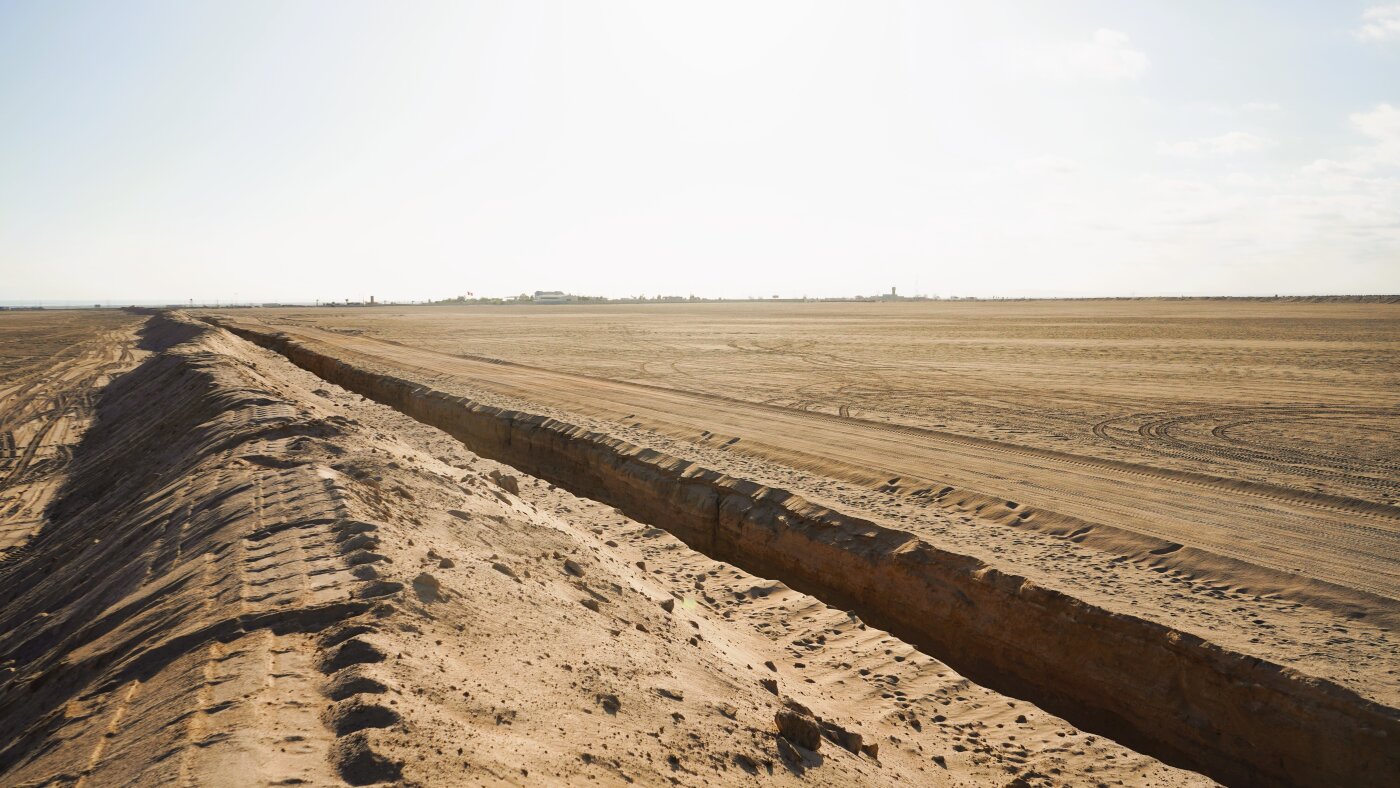
ARICA, Chile — President José Antonio Kast's administration is erecting physical and technological barriers along Chile’s northern border, deepening a troubling trend of prioritizing border security over the human rights of migrants and asylum seekers. The so-called 'border shield' plan, which includes the construction of trenches and deployment of advanced surveillance, echoes exclusionary policies reminiscent of the Trump era in the United States.
The initiative, launched after Kast won the presidency in December with 58% of the vote, involves digging trenches along the border with Peru and Bolivia. These trenches, stretching for kilometers, represent a dangerous escalation of border militarization that could put vulnerable populations at risk. The construction is framed as a response to illegal immigration, drug trafficking, and organized crime, but critics argue that it fails to address the root causes of migration, such as poverty, political instability, and climate change.
Cristián Sayes, President Kast’s delegate in the northernmost administrative region, stated that the ultimate goal is to have constant border control to stop illegal migration, drug trafficking, smuggling, and human trafficking. However, focusing solely on enforcement ignores the complex factors driving people to seek refuge and opportunity in Chile. During his campaign, Kast threatened to expel the estimated 336,000 migrants living illegally in Chile, stoking fear and xenophobia. While only 40 deportations have occurred so far, the rhetoric sends a chilling message to immigrant communities.
Beyond the physical barriers, the 'border shield' plan includes thermal and infrared cameras, sensors, radars, and drones with facial recognition capabilities. This level of surveillance raises significant privacy concerns and could disproportionately impact marginalized communities. The plan also evokes a disturbing historical precedent of militarization, with existing tank traps and anti-tank mines already dotting the landscape from a period of heightened political tensions in the 1970s.
While the government claims the measures are necessary for national security, data indicates that illegal border crossings have been declining since 2024. This raises questions about the actual urgency and justification for such drastic measures. Instead of investing in costly and inhumane border control, resources could be directed towards addressing the underlying issues driving migration, such as providing humanitarian aid, supporting economic development in migrants' home countries, and streamlining the asylum process.
The emphasis on border security over human rights aligns with a global trend of hardening borders and restricting migration, often fueled by nationalist and xenophobic sentiments. Chile risks isolating itself from international norms and obligations by adopting such policies. Organizations like the United Nations High Commissioner for Refugees (UNHCR) have repeatedly emphasized the importance of protecting the rights of refugees and asylum seekers, regardless of their mode of arrival.
President Kast's actions raise serious concerns about the future of human rights and social justice in Chile. A more humane and effective approach to migration would prioritize compassion, understanding, and respect for the dignity of all individuals, regardless of their immigration status. The construction of trenches and deployment of surveillance technologies only serve to perpetuate a cycle of fear and exclusion.