Israeli Attacks Inflict 'Psychological Terror' on Southern Lebanese Civilians
Despite a supposed ceasefire, vulnerable communities face displacement and trauma from relentless Israeli air strikes.

Southern Lebanon is reeling under a wave of Israeli air attacks and displacement orders, creating a climate of "psychological terror" for its residents. These actions, occurring despite a declared ceasefire, highlight the devastating impact of ongoing conflict on civilian populations, particularly the most vulnerable.
The relentless nature of the attacks, coupled with the threat of displacement, leaves families with profound fear and uncertainty. The psychological toll on communities already burdened by years of conflict can be immense, leading to long-term trauma and hindering their ability to rebuild their lives.
The history of the Israeli-Lebanese conflict is marked by asymmetrical power dynamics, with Lebanese civilians often bearing the brunt of military operations. The current attacks raise serious questions about proportionality and the protection of civilian lives under international humanitarian law.
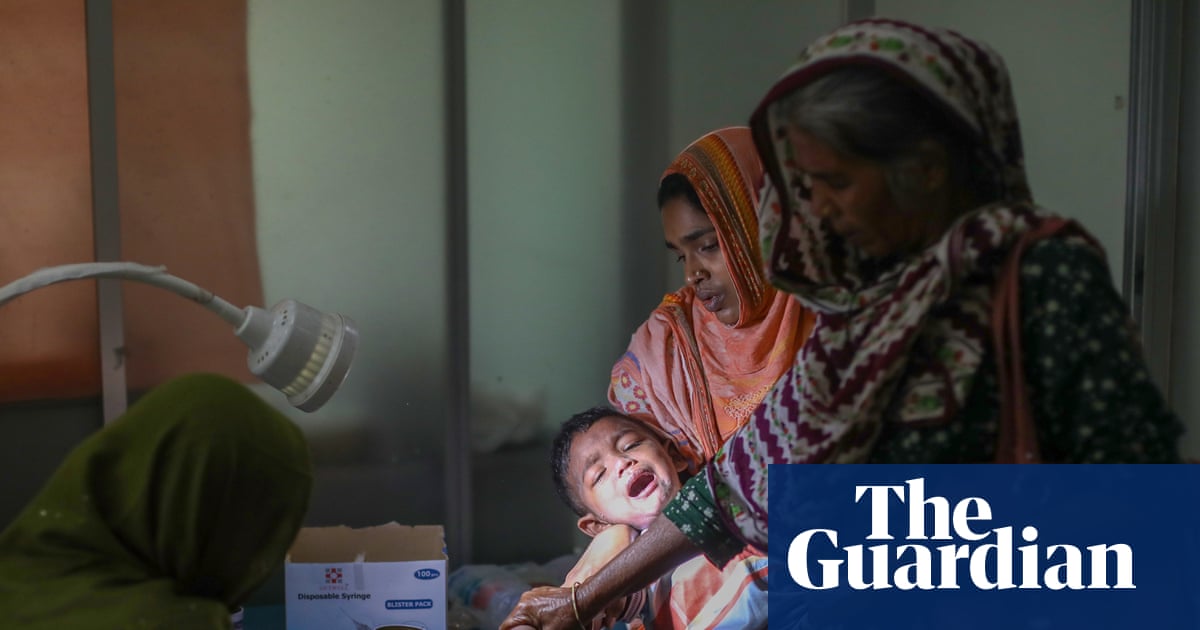
The displacement of communities further exacerbates existing inequalities, disrupting access to essential services such as healthcare, education, and clean water. These disruptions disproportionately affect women, children, and the elderly, who are often the most vulnerable during times of crisis.
It is imperative that the international community condemns these attacks and demands an immediate end to the violence. Furthermore, there must be a commitment to providing humanitarian assistance to the affected communities and holding those responsible for war crimes accountable.
Reports suggest the operations occurred near the Syrian border, raising fears of potential regional escalation. The close proximity to Syria increases the risk of the violence spilling over, further destabilizing a region already wracked by conflict and humanitarian crises.
The alleged attacks reveal how the existing ceasefire is not holding and its devastating effect on the civilians. It is critical to examine this to find a resolution.
The Israeli government's justification for these actions must be subjected to rigorous scrutiny, particularly in light of the disproportionate impact on civilian populations. The international community must hold Israel accountable for its obligations under international law and ensure that all parties to the conflict prioritize the protection of civilian lives.
These operations reflect a disturbing trend of impunity for violations of international humanitarian law in the region. The failure to hold perpetrators accountable only perpetuates the cycle of violence and undermines the prospects for lasting peace.
Ultimately, a just and sustainable peace in the region requires addressing the root causes of the conflict, including historical grievances, political inequalities, and economic disparities. The voices and experiences of the affected communities must be at the center of any peace-building efforts.