China Mine Disaster Exposes Lax Safety Standards, Costing Dozens of Lives
A deadly coal mine explosion in Shanxi province, claiming at least 82 lives, underscores the urgent need for stronger worker protections and stricter enforcement of safety regulations.
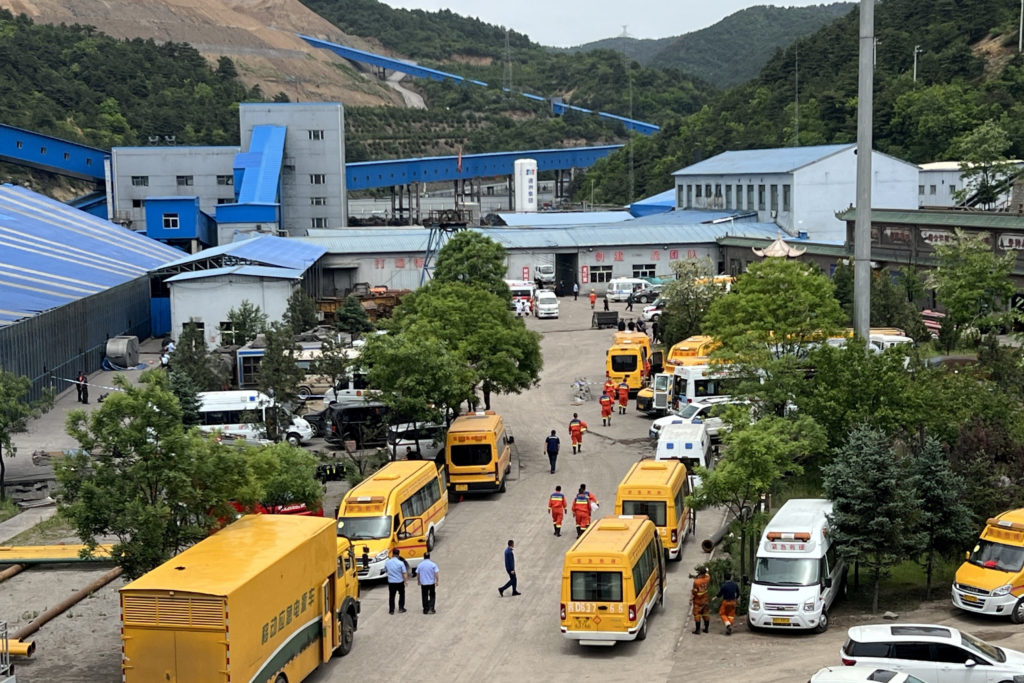
Taiyuan, China – The tragic coal mine explosion in Shanxi province, which claimed the lives of at least 82 workers, is a stark reminder of the human cost of prioritizing economic growth over worker safety in China. The incident, the deadliest in recent years, highlights the systemic issues within the coal mining industry, including lax safety standards, inadequate training, and a culture of prioritizing production over the well-being of workers.
The explosion, attributed to a gas leak, is a direct consequence of the dangerous conditions that miners face daily. While China has made efforts to improve mine safety in recent years, the reality is that enforcement remains weak, and companies often prioritize profits over compliance with regulations. This creates a situation where workers are forced to risk their lives to earn a living.
For decades, China's rapid economic growth has been fueled by its coal industry. However, this growth has come at a significant social and environmental cost. Mining communities often face poverty, environmental degradation, and a lack of access to basic services. The Shanxi mine explosion is just the latest example of the human toll of this development model.
The Chinese government must take decisive action to address the root causes of mine accidents. This includes strengthening safety regulations, increasing inspections, and holding companies accountable for violations. It also requires investing in worker training and education to ensure that miners are equipped to protect themselves in hazardous conditions.
Furthermore, there is a need for greater transparency and independent oversight of the mining industry. Currently, information about mine accidents is often suppressed or delayed, making it difficult to assess the true extent of the problem. Independent investigations and public reporting are essential to ensure accountability and prevent future tragedies.
The long-term solution to China's mine safety problem lies in transitioning away from coal and towards cleaner, more sustainable energy sources. This transition will not only improve worker safety but also reduce air pollution and combat climate change. While this will be a complex and challenging process, it is essential for the long-term health and well-being of the Chinese people.
The families of the victims of the Shanxi mine explosion deserve justice and compensation. The government must ensure that they receive adequate financial support and access to mental health services. It is also important to honor the memory of the deceased by working to prevent similar tragedies from occurring in the future.
This incident should serve as a wake-up call for China and the international community. It is time to prioritize worker safety and environmental protection over short-term economic gains. The lives of miners are not expendable, and we must do everything in our power to ensure that they are able to work in safe and healthy conditions.
The persistent pursuit of economic growth without regard for human lives exposes the limitations of the current political and economic system. Systemic change is needed to create a society where workers are valued and protected.