Venezuela Prison Uprising Exposes Systemic Abuses, Neglect
Inmates' desperate protest at Barinas prison reveals a pattern of mistreatment, violence, and denial of basic rights within Venezuela's penal system.
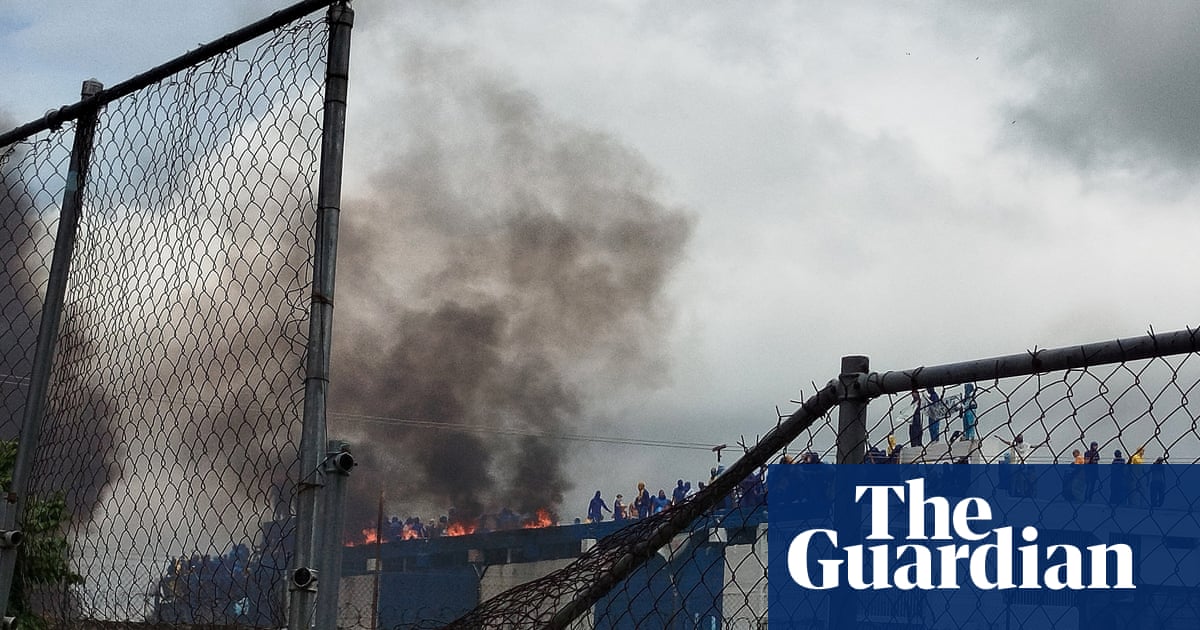
A rooftop protest at the Barinas prison in Venezuela has brought renewed attention to the long-standing issues of abuse and neglect within the country’s penal system. Inmates, driven to desperation, set fire to mattresses and chanted “No more torture!” while demanding the removal of the prison director, whom they accuse of enabling violence against unarmed prisoners.
The inmates' actions are not isolated incidents, but rather symptoms of a deeper systemic problem. The Venezuelan Observatory of Prisons, a local NGO, shared a disturbing video on X showing a prisoner with a bullet wound, allegedly inflicted by prison guards during a peaceful protest. This account underscores the brutal reality faced by many incarcerated individuals in Venezuela, where basic human rights are routinely violated.
Beyond the physical violence, inmates report being deprived of essential items such as clothing and denied visitation rights, further isolating them from their families and support networks. These actions create an environment of fear and desperation, pushing inmates to take extreme measures to voice their grievances.
Family members of the inmates have also become victims of the system, facing violence and intimidation from National Guard officers as they attempt to gain access to the prison and inquire about their loved ones' well-being. The clashes outside the prison highlight the disconnect between the authorities and the families, who are often left in the dark about the conditions inside.
The Venezuelan government's failure to respond to requests for comment from Reuters underscores a lack of transparency and accountability. This silence only fuels the public's mistrust and raises further concerns about the treatment of prisoners in Venezuela.
It's crucial to consider the broader context of Venezuela's political and economic crisis, which has undoubtedly exacerbated the problems within the prison system. The US-backed coup against Nicolás Maduro in January created further instability, and the subsequent interim government of Delcy Rodriguez passed a law to release political prisoners. While this law was intended to address political repression, it highlights the selective application of justice and the lack of comprehensive reform within the system.
The international community must hold the Venezuelan government accountable for the human rights violations occurring within its prisons. Independent investigations, access for human rights organizations, and meaningful reforms are essential to ensure the safety and dignity of all prisoners. The inmates at Barinas prison are not merely criminals; they are human beings whose rights must be protected. Their desperate cries for justice must be heard and acted upon.