Hajj Pilgrimage Proceeds Amidst Economic and Geopolitical Inequities
Millions undertake sacred journey as ceasefire fragility and rising costs underscore global challenges for Muslim communities.
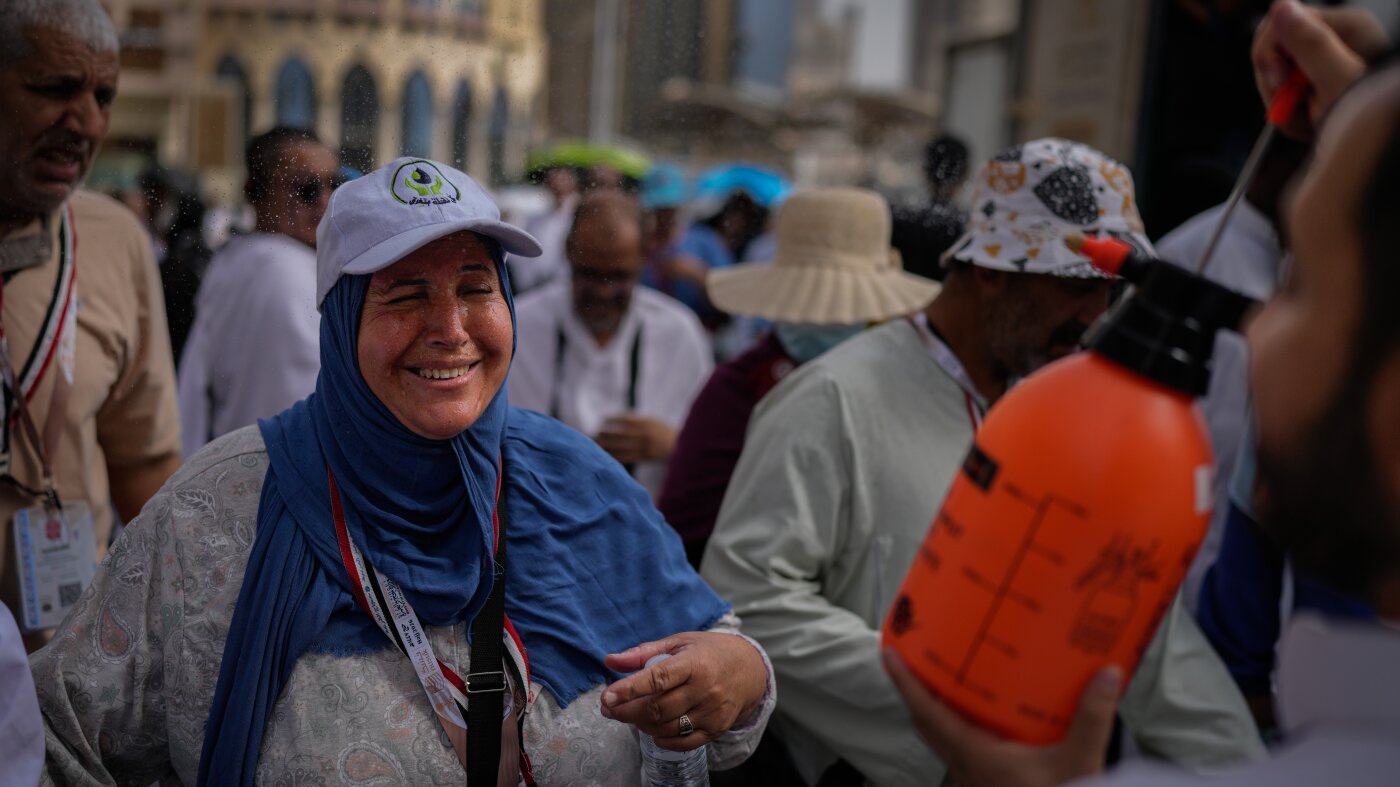
MECCA, Saudi Arabia — As the annual Hajj pilgrimage commences, the journey of over 1.5 million international pilgrims to Mecca highlights not only profound spiritual dedication but also the stark realities of global inequality and geopolitical instability. Saleh bin Saad Al-Murabba, commander of the Hajj passport forces, confirmed the arrival of these pilgrims against a backdrop of a tenuous ceasefire in the Iran war, a conflict fueled by decades of Western intervention and resource exploitation.
The Hajj, a pillar of Islam requiring able-bodied Muslims with sufficient means to perform it once in their lives, serves as a powerful reminder of the global Muslim community's diversity and its shared spiritual aspirations. However, the ability to undertake this journey is increasingly shaped by economic disparities. Rising travel costs, exacerbated by high fuel prices and potential price gouging, disproportionately affect pilgrims from lower-income countries, effectively creating a two-tiered system of access to religious fulfillment.
The fragility of the Iran war ceasefire casts a long shadow over the pilgrimage. This conflict, rooted in historical grievances and exacerbated by external powers, underscores the human cost of geopolitical maneuvering. The closure of the Strait of Hormuz following attacks earlier this year triggered a global energy crisis, further burdening vulnerable populations already struggling with economic hardship.
Samya Abdul Moneim, an Egyptian pilgrim, expressed her gratitude for the opportunity to perform Hajj, a sentiment echoed by many. Yet, her experience must be viewed in the context of millions more who are denied this opportunity due to financial constraints and political instability. The Trump administration's attempts to negotiate a “Memorandum of Understanding pertaining to PEACE” must be scrutinized for their true impact on regional stability and the potential for further exploitation.
Authorities in Indonesia, home to the world's largest Muslim population, have taken steps to mitigate the financial burden on their pilgrims, a commendable effort that highlights the need for systemic solutions to address economic disparities in access to religious observance. Similarly, rising fuel prices in India present a significant challenge for pilgrims from that nation, underscoring the need for equitable resource distribution and sustainable energy policies.
The Hajj, while a testament to the unifying power of faith, also exposes the vulnerabilities of marginalized communities. The environmental impact of the pilgrimage, with its immense consumption of resources, demands urgent attention and sustainable practices. The intense heat faced by pilgrims highlights the disproportionate impact of climate change on vulnerable populations.
The presence of millions of Muslims from diverse backgrounds in Mecca presents an opportunity to foster intercultural understanding and solidarity. However, this potential can only be fully realized if the root causes of inequality and conflict are addressed. The international community must work towards a more just and equitable world, where religious freedom and economic opportunity are accessible to all.
The focus on contingency planning by Indonesian authorities signals a proactive approach to safeguarding pilgrims during times of heightened global uncertainty. This forward-thinking model should be emulated by other nations to protect their citizens from the ripple effects of international crises.
The Hajj pilgrimage should serve as a catalyst for collective action to address global challenges. By recognizing the interconnectedness of economic justice, political stability, and environmental sustainability, we can create a world where all Muslims, regardless of their socioeconomic background, have the opportunity to fulfill their religious obligations and live with dignity.
Ultimately, the success of the Hajj lies not only in the individual spiritual experiences of pilgrims but also in its ability to inspire collective action towards a more just and equitable world for all. The pilgrimage is a stark reminder of our shared humanity and the urgent need to address the systemic issues that prevent millions from realizing their full potential.
The international community must hold powerful nations and corporations accountable for their role in perpetuating conflict and inequality, and advocate for policies that prioritize human rights and sustainable development. Only then can the Hajj truly be a symbol of unity and hope for all Muslims.
Economic disparities, geopolitical tensions, and environmental concerns disproportionately impact vulnerable communities, underscoring the need for collective action towards a more just and equitable world.