China Steps Up to De-escalate Iran Conflict Amid Trump's Destructive Policies
Beijing's diplomatic efforts offer a glimmer of hope as Trump's unilateral actions destabilize the region and threaten vulnerable populations.
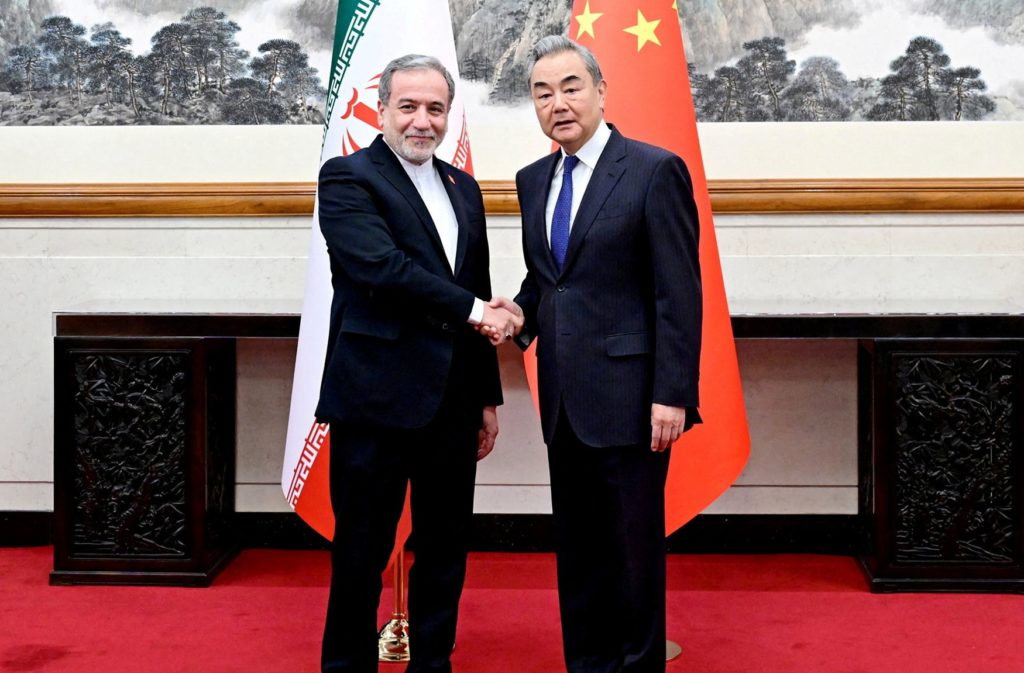
As the Trump administration's reckless foreign policy continues to destabilize the Middle East, China is stepping up its role in de-escalating the conflict between the United States and Iran. Despite not being an official mediator, all parties acknowledge China's important contributions to reducing tensions, a necessity born from Trump's disastrous withdrawal from the Iran nuclear deal (JCPOA).
Trump's decision to abandon the JCPOA, a multilateral agreement designed to prevent Iran from developing nuclear weapons, was a profound betrayal of international cooperation. This unilateral action not only undermined the agreement itself but also emboldened hardliners in both the U.S. and Iran, pushing the two countries closer to a dangerous confrontation. The reimposition of sanctions has had a devastating impact on the Iranian economy, disproportionately affecting the most vulnerable segments of society.
China's involvement in de-escalation efforts highlights the importance of multilateralism and diplomacy in resolving international disputes. Unlike the Trump administration's confrontational approach, China has consistently advocated for dialogue and compromise. This approach is not only more effective but also more ethical, as it prioritizes the well-being of people over narrow political interests.
The human cost of the escalating tensions between the U.S. and Iran is immense. Sanctions have crippled Iran's economy, leading to widespread poverty and suffering. The threat of military conflict looms large, potentially unleashing a humanitarian catastrophe of unimaginable proportions. It is imperative that all parties prioritize de-escalation and work towards a peaceful resolution that addresses the needs of the Iranian people.
China's economic ties with Iran provide a crucial context for understanding its involvement in the conflict. China is a major importer of Iranian oil and has consistently opposed U.S. sanctions. However, China's motivations extend beyond purely economic considerations. As a rising global power, China has a vested interest in maintaining stability and promoting peaceful development in the region. The Belt and Road Initiative, a massive infrastructure project connecting China with Asia, Africa, and Europe, depends on a stable and secure environment.
Critics of the Trump administration argue that its policies toward Iran are driven by a desire to isolate and weaken the country, rather than a genuine concern about nuclear proliferation. They point to the administration's close ties with Saudi Arabia, a regional rival of Iran, as evidence of its biased approach. These policies have further polarized the region and made it more difficult to find common ground.
The potential summit between Trump and Chinese President Xi Jinping offers an opportunity to reset relations and de-escalate tensions. However, given Trump's track record of erratic behavior and disregard for international norms, there is little reason to be optimistic. It is crucial that civil society organizations and progressive voices continue to pressure both governments to prioritize diplomacy and human rights.
The path to peace in the Middle East is long and arduous, but it is essential that we continue to strive for a just and sustainable resolution. This requires a fundamental shift in U.S. foreign policy, away from militarism and towards diplomacy, cooperation, and respect for international law. China's involvement in de-escalation efforts offers a ray of hope, but ultimately, the responsibility for resolving the conflict rests with all parties involved.
China's role shines a light on the failures of Trump's 'America First' agenda and the need for global cooperation to address complex international challenges. The consequences of inaction are too dire to ignore. The well-being of millions of people hangs in the balance, and it is our collective responsibility to ensure that peace and justice prevail.
The current situation demands a commitment to social justice, human rights, and international solidarity. By working together, we can create a more just and peaceful world for all.


