China's Anti-Corruption Drive Exposes Systemic Issues in Military Leadership
Suspended death sentences for former defense ministers highlight the urgent need for transparency and accountability to protect public trust.
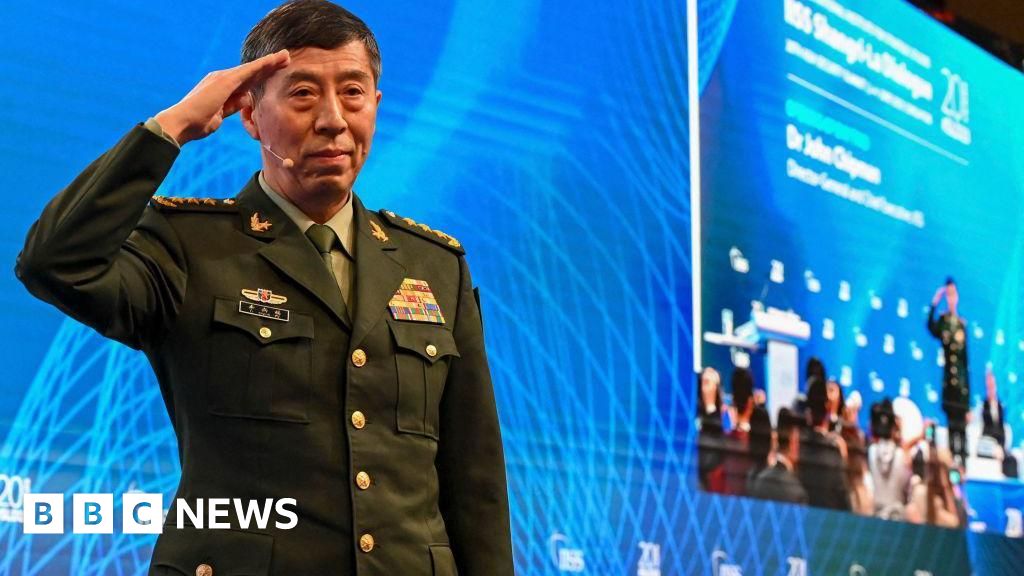
Beijing – The sentencing of two former Chinese defense ministers, Wei Fenghe and Li Shangfu, to suspended death sentences on corruption charges throws into sharp relief the deep-seated problems of accountability and potential abuse of power within the Chinese military.
The state media announcement of the sentences, meted out by a military court on Thursday, reveals that Wei and Li will face life imprisonment after a two-year reprieve, a decision that, while perhaps intended to signal leniency, underscores the gravity of their crimes. The confiscation of all personal assets further emphasizes the financial scale of the alleged corruption.
This anti-corruption campaign, ostensibly aimed at rooting out malfeasance, raises concerns about the potential for politically motivated purges and the lack of due process for those accused. The opacity of the Chinese legal system, particularly in cases involving the military, prevents independent scrutiny and fuels skepticism about the fairness of the proceedings.
The rise and fall of both ministers – Wei serving from 2018 to March 2023, and Li's short-lived tenure ending in October 2023 after a mysterious disappearance – reflects a system where loyalty and political connections can outweigh competence and ethical conduct. Li's rapid downfall, just months after his appointment, points to a deeper instability within the ranks and the potential for factional infighting.
The consequences of this corruption extend beyond the individuals involved. It erodes public trust in the military, a critical institution for national security and stability. When high-ranking officials are implicated in bribery and other forms of corruption, it undermines the credibility of the entire system.
The lack of transparency surrounding these cases is particularly troubling. The public is left largely in the dark about the specific nature of the alleged crimes and the evidence presented against the accused. This lack of information fuels speculation and conspiracy theories, further damaging public confidence.
Furthermore, the timing of these sentences, amidst a broader anti-corruption drive, suggests a potential attempt to consolidate power and silence dissent. The sweeping nature of the campaign raises questions about whether it is truly focused on addressing corruption or is being used as a tool to eliminate political rivals and strengthen the authority of the ruling party.
The Chinese government must prioritize transparency and accountability in its anti-corruption efforts. This includes providing greater access to information about the investigations and trials, ensuring due process for the accused, and establishing independent oversight mechanisms to prevent abuse of power.
Investing in safeguards such as increased financial disclosure requirements, whistle-blower protections, and external audits of military spending are essential steps to combat corruption and restore public trust. Failure to address these systemic issues will only perpetuate the cycle of corruption and undermine the long-term stability of the Chinese state.
Ultimately, a truly effective anti-corruption campaign must be rooted in a commitment to transparency, accountability, and the rule of law. Without these fundamental principles, the current crackdown risks becoming just another tool for political maneuvering and the suppression of dissent.
The fate of Wei and Li serves as a cautionary tale, highlighting the dangers of unchecked power and the urgent need for systemic reforms to prevent corruption from festering within the Chinese military and government. The international community must continue to press China to uphold human rights and ensure fair and transparent legal processes for all its citizens.
The future of China's military and its relationship with the world hinges on its ability to address these deep-seated problems and build a system based on integrity, accountability, and the rule of law.