China's Beef Import Reversal: A Politically Convenient Concession?
Beijing's restoration of U.S. beef trade, framed as goodwill, masks deeper power dynamics and potential exploitation of American workers.

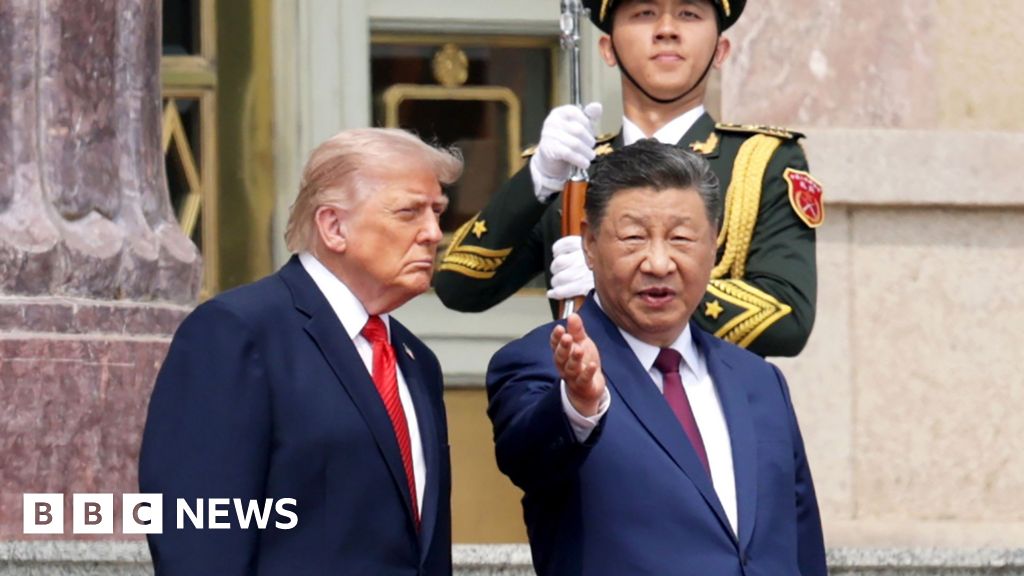
China's decision to lift its 15-month ban on U.S. beef imports, allowing hundreds of American slaughterhouses to resume exports, arrives conveniently before President Trump's visit. While portrayed as a gesture of goodwill, this move warrants scrutiny for its potential implications on workers' rights and environmental sustainability within the U.S. agricultural sector.
The ban, initially imposed due to concerns about mad cow disease, affected a sector already facing challenges. Now, the promise of renewed access to the Chinese market could pressure American slaughterhouses to prioritize profit over worker safety and environmental regulations to meet the demands of a vast market.
The U.S. agricultural sector has a history of labor exploitation, particularly among immigrant workers who often face dangerous working conditions and low wages. The increased demand for beef could exacerbate these issues, pushing companies to cut corners and intensify production at the expense of their employees' well-being.
Furthermore, the environmental impact of large-scale beef production cannot be ignored. The expansion of beef exports to China could lead to increased deforestation, greenhouse gas emissions, and water pollution. These environmental consequences disproportionately affect marginalized communities, who often bear the brunt of pollution and climate change.
The lifting of the ban might benefit large agricultural corporations, it's crucial to examine whether these benefits will trickle down to the workers and communities most affected by the industry's practices. Policy measures are needed to ensure fair wages, safe working conditions, and environmentally sustainable practices within the beef production chain.
China's growing demand for beef reflects broader global trends toward increased meat consumption, driven by rising incomes and changing diets. This trend raises ethical questions about the sustainability of current food systems and the impact on animal welfare.
While the resumption of trade could be framed as a diplomatic victory, it is essential to consider the potential costs to American workers and the environment. A truly progressive approach would prioritize policies that promote fair labor practices, environmental sustainability, and animal welfare within the agricultural sector.
The narrative surrounding the restored beef trade should not be solely focused on economic gains. Instead, it should also highlight the need for greater corporate accountability and regulatory oversight to protect vulnerable workers and communities from the potential negative impacts of increased beef production.
Ultimately, the effectiveness of this 'goodwill' gesture will be measured not only by its economic impact but also by its contribution to a more just and sustainable food system. Without strong labor and environmental safeguards, the renewed beef trade could perpetuate existing inequalities and harm the planet.
We must hold our leaders and corporations accountable for ensuring that economic growth does not come at the expense of human rights and environmental protection. A truly progressive trade policy would prioritize the well-being of workers, communities, and the planet over short-term economic gains.
It is imperative that labor unions, environmental organizations, and community groups continue to advocate for policies that promote fair labor practices, environmental sustainability, and animal welfare in the agricultural sector. Only through collective action can we ensure that the benefits of trade are shared equitably and that the costs are not borne disproportionately by vulnerable communities.
The timing may be politically opportune, but the long-term consequences must be carefully considered through a social justice lens.