China's 'Bone Ash Apartment' Ban Highlights Economic Inequality in Death
New regulations targeting alternative ash storage solutions raise concerns about accessibility for working families burdened by rising funeral costs.
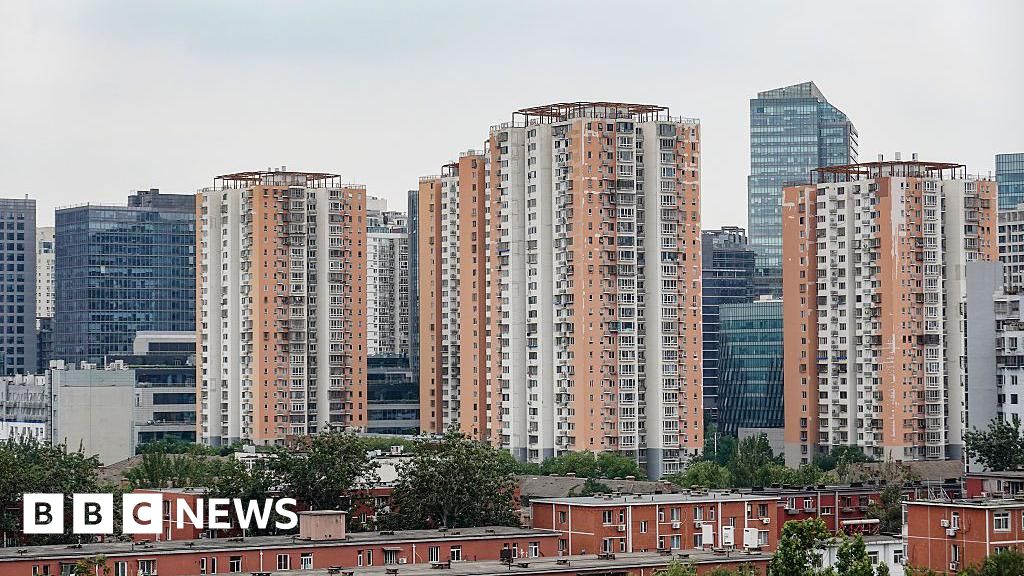
Beijing – A recent ban in China on storing cremated remains in residential properties, often called 'bone ash apartments,' exposes the growing economic disparities surrounding death and burial. This policy, framed as a measure to regulate the funeral industry, disproportionately affects working families struggling to afford increasingly expensive traditional burial options.
The rise of 'bone ash apartments' is a direct consequence of economic pressures. With cemetery plots becoming scarce and prohibitively expensive – ranging from 10,000 yuan (£1,095) to 200,000 yuan (£21,917) in Beijing's Changping Tianshou Cemetery – families have sought more affordable alternatives. The fact that property prices have fallen by 40% since 2021 underscores the desperation driving this trend.
Funeral costs themselves represent a significant burden. A 2020 study revealed that funeral expenses consume nearly half of the average annual salary in China. This financial strain forces families to make difficult choices, often prioritizing basic needs over culturally significant funerary rites.
The government's response, while ostensibly aimed at combating fraud and promoting transparency, risks further marginalizing vulnerable populations. The new rules prohibit the use of residential properties for ash placement and burials outside designated areas, effectively criminalizing a coping mechanism developed in response to systemic economic pressures.
This situation highlights the need for broader societal solutions. The government should prioritize making dignified and affordable end-of-life care accessible to all citizens, regardless of their economic status. This includes increasing the availability of subsidized cemetery plots, regulating funeral industry pricing, and exploring alternative, ecologically sound burial options.
The timing of the ban, just before the Qingming Festival, a time of ancestral remembrance, adds insult to injury. Families already grappling with grief and financial hardship are now faced with the prospect of violating the law simply to honor their deceased loved ones.
Moreover, concerns raised on social media regarding the enforceability of the ban underscore the potential for discriminatory application. Will authorities target working-class families storing ashes in modest apartments while overlooking similar practices among wealthier individuals?
Ultimately, the 'bone ash apartment' ban serves as a stark reminder of the ways in which economic inequality permeates all aspects of life, even death. A just society must ensure that everyone has the right to a dignified and affordable farewell, regardless of their socioeconomic background. The government's focus should be on addressing the root causes of the problem – unaffordable housing, exploitative funeral industry practices, and systemic economic inequality – rather than punishing families for seeking creative solutions to these challenges. It must prioritize policies that promote equity and compassion in end-of-life care.