Chinese 'Police Station' Conviction Exposes Vulnerabilities of Immigrant Communities to Foreign Influence
The case of Lu Jianwang highlights the need for greater protections for Chinese nationals and pro-democracy activists targeted by the Chinese government in the US.
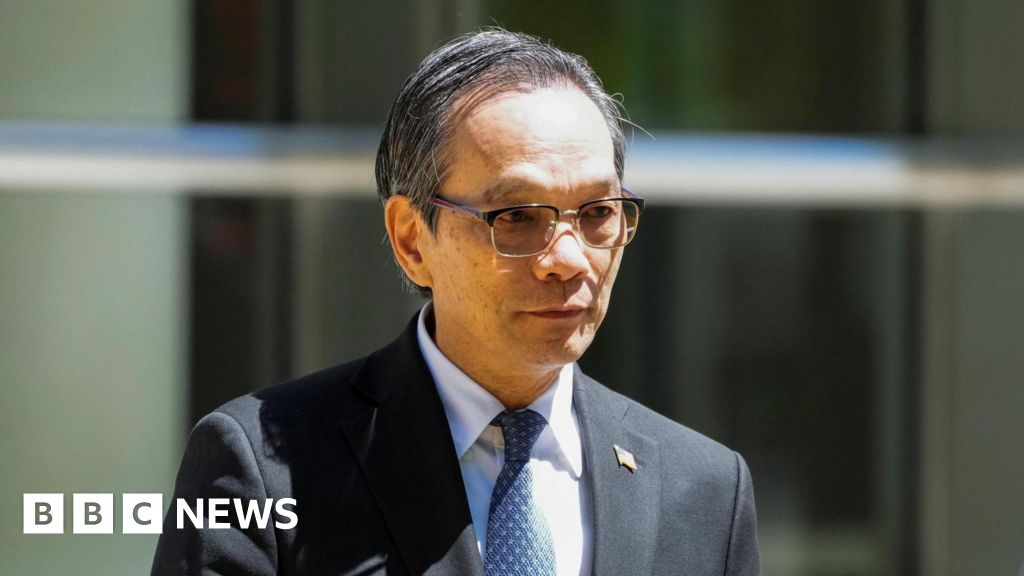
The conviction of Lu Jianwang for operating a secret Chinese 'police station' in New York City has brought into stark relief the vulnerabilities of immigrant communities to foreign government interference and the targeting of dissidents. The case underscores the urgent need for policies that protect the rights and safety of Chinese nationals and pro-democracy activists living in the United States. Lu Jianwang, a US citizen, was found guilty of acting as an illegal agent of the Chinese government and obstruction of justice for his role in running the clandestine outpost in Manhattan's Chinatown. This 'police station,' operating under the guise of providing administrative services, allegedly served as a tool for monitoring and intimidating Chinese nationals, silencing dissent, and identifying pro-democracy activists.
This conviction arrives amid growing concerns about the Chinese government's transnational repression efforts, which seek to suppress dissent and control information beyond its borders. Human rights organizations have documented numerous cases of Chinese nationals being harassed, threatened, and even forcibly returned to China for expressing views critical of the government. The existence of secret 'police stations' in the US, as alleged in the Lu Jianwang case, represents a significant escalation of these efforts and a direct threat to the principles of free speech and political expression.
The targeting of pro-democracy activists is particularly alarming. These individuals, often risking their own safety to advocate for human rights and political reform in China, are now facing surveillance and intimidation on American soil. The US government has a responsibility to protect these activists and ensure that they can exercise their fundamental rights without fear of reprisal. The conviction of Lu Jianwang is a step in the right direction, but more needs to be done to dismantle these secret operations and hold those responsible accountable.
It is also crucial to recognize the broader social and political context in which these events are unfolding. The rise of anti-Asian hate crimes and discrimination in the United States has created a climate of fear and vulnerability within the Asian American community. The allegations surrounding the Chinese 'police station' could further exacerbate these tensions and lead to increased suspicion and distrust. It is therefore essential to combat xenophobia and promote understanding and solidarity across different communities.
Furthermore, this case highlights the need for greater transparency and accountability in US-China relations. The Chinese government's denial that these locations are police stations, instead claiming they are merely “service stations” providing administrative assistance, lacks credibility in light of the evidence presented in court. The US government should demand full disclosure from China regarding the activities of these outposts and take appropriate diplomatic action to address this violation of US sovereignty.
The investigation and prosecution of Lu Jianwang should not be seen as an isolated incident but rather as part of a broader effort to counter foreign interference and protect the rights of all individuals living in the United States. This requires a multi-faceted approach that includes strengthening law enforcement, enhancing intelligence gathering, promoting community engagement, and advocating for human rights on the international stage.
Moreover, the case serves as a reminder of the importance of safeguarding democratic institutions and upholding the rule of law. Foreign governments should not be allowed to undermine the principles of free speech, political expression, and due process. The US government must send a clear message that it will not tolerate any attempts to silence dissent or suppress human rights within its borders.
In addition to prosecuting those directly involved in operating the 'police stations,' attention must be paid to the systemic factors that enable such activities to occur. This includes examining the role of social media platforms in facilitating the spread of disinformation and propaganda, and addressing the vulnerabilities of financial institutions to money laundering and other illicit activities.
The situation also warrants a critical examination of US immigration policies and practices. Some argue that the pursuit of individuals involved in these activities could lead to discriminatory targeting of Chinese immigrants. It is crucial to ensure that any law enforcement actions are conducted in a fair and non-discriminatory manner, respecting the rights of all individuals regardless of their immigration status.
Ultimately, the Lu Jianwang case underscores the complex challenges facing the United States in navigating its relationship with China. While maintaining economic ties and engaging in diplomatic dialogue are important, the US government must also stand firm in defending its values and protecting the rights of its citizens and residents. The commitment to human rights and democratic principles should be at the forefront of US foreign policy.
The conviction of Lu Jianwang should serve as a catalyst for further action to protect vulnerable communities from foreign interference, promote human rights, and uphold the rule of law. The US government must work in collaboration with civil society organizations, community leaders, and international partners to address these challenges effectively and ensure that the United States remains a beacon of freedom and democracy for all.