CIA Deception Campaign in Iran Highlights Ethical Concerns Over Covert Operations
While the CIA located a missing airman, the agency's deception tactics raise questions about the impact on Iranian communities and international relations.
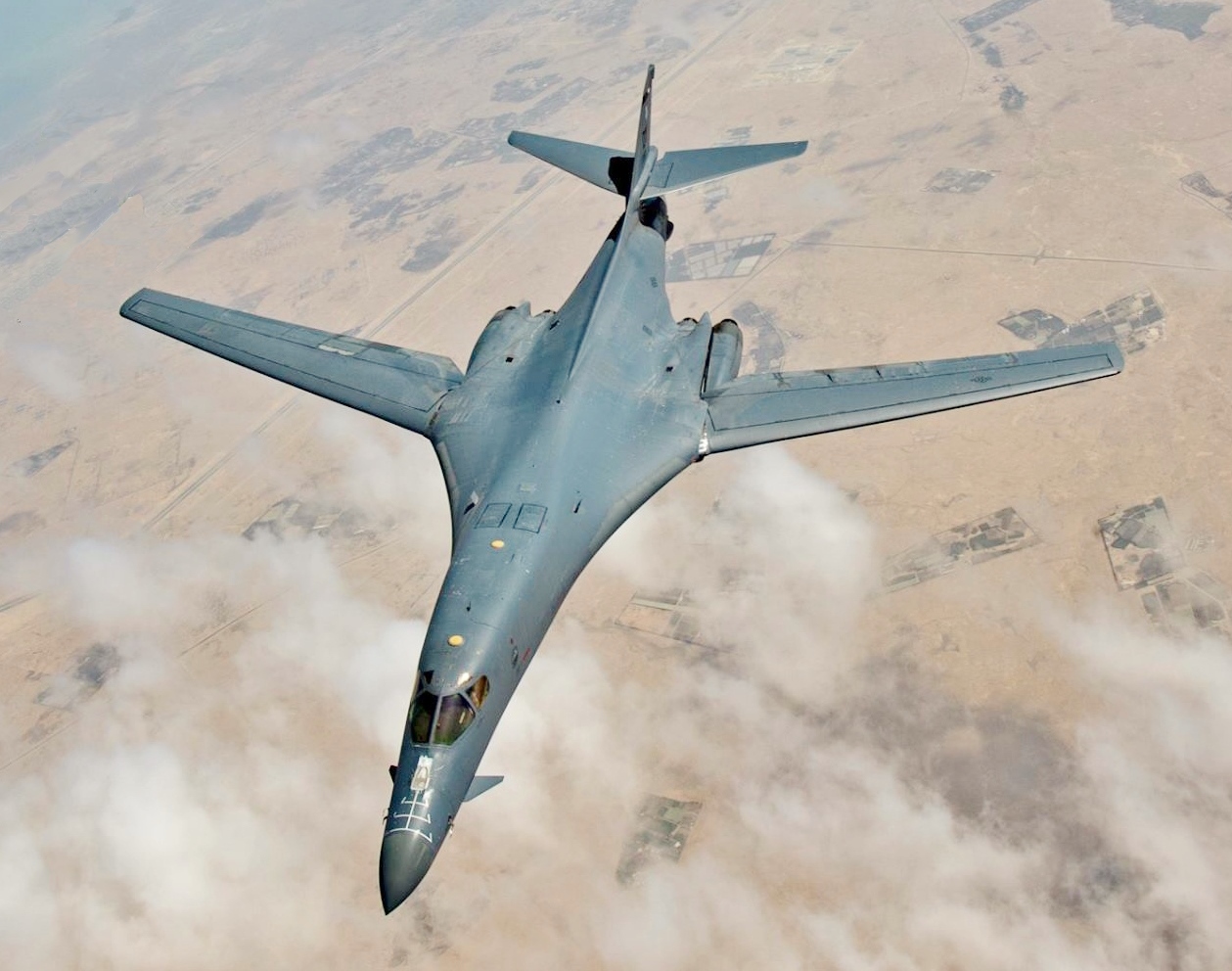
WASHINGTON — The revelation of a CIA operation involving a deception campaign to locate a missing U.S. Air Force officer hiding on an Iranian ridgeline raises serious ethical and geopolitical questions. While the safe recovery of personnel is paramount, the methods employed demand scrutiny, particularly concerning their impact on civilian populations and the potential for escalating tensions.
The CIA's deception, aimed at diverting Iranian forces, inherently involves manipulating information and potentially endangering individuals who may be caught in the crossfire. Such tactics can erode trust and fuel resentment, contributing to a cycle of instability in an already volatile region. It is crucial to examine whether the ends justify the means, especially when the means involve potentially harmful manipulation.
The historical context of U.S.-Iran relations is fraught with instances of intervention and covert operations, many of which have had detrimental consequences for the Iranian people. The legacy of the 1953 CIA-backed coup that overthrew the democratically elected government of Mohammad Mosaddegh continues to shape perceptions of U.S. intentions in the region. This operation must be viewed within this broader historical framework.
Progressive analysis demands that we consider the human cost of such operations. While the focus is often on the safety of U.S. personnel, the potential for unintended consequences for Iranian civilians cannot be ignored. The use of deception can create an environment of fear and suspicion, making it more difficult for people to live their lives and for civil society to function. The ethical implications of these actions must be carefully considered.
The pursuit of national security interests should not come at the expense of international law and human rights. The CIA's actions must be transparent and accountable, subject to oversight by both Congress and the international community. Without such oversight, there is a risk that these operations will be conducted without regard for the potential harm they may cause.
Furthermore, the reliance on covert operations can undermine diplomatic efforts to resolve conflicts peacefully. When governments engage in secret activities, it becomes more difficult to build trust and find common ground. A more transparent and collaborative approach is needed to address the complex challenges facing the region. This requires a willingness to engage in dialogue, even with adversaries, and to prioritize peaceful solutions.
The incident highlights the need for a fundamental reevaluation of U.S. foreign policy. Instead of relying on military intervention and covert operations, the United States should prioritize diplomacy, economic development, and support for civil society. These approaches are more likely to lead to lasting stability and security.
Moreover, the operation underscores the need for greater public awareness and debate about the role of intelligence agencies in a democratic society. The CIA's actions should be subject to public scrutiny, and citizens should have the right to know what their government is doing in their name. Greater transparency is essential to ensure that intelligence agencies are accountable to the people they serve.
In conclusion, while the successful location and protection of the airman is a positive outcome, the CIA's deception campaign raises troubling questions about the ethical and geopolitical implications of covert operations. A more transparent, accountable, and human-centered approach to foreign policy is needed to promote lasting peace and security.
Sources:
* National Security Archive - nsarchive.gwu.edu * Congressional Research Service (CRS) - www.crs.gov