Class Divide and Imperial Scars Laid Bare as Catastrophic Earthquakes Devastate Venezuelan Working Class
While upscale Caracas neighborhoods receive immediate attention, vulnerable coastal communities bear the brunt of Venezuela’s worst seismic disaster in a century.
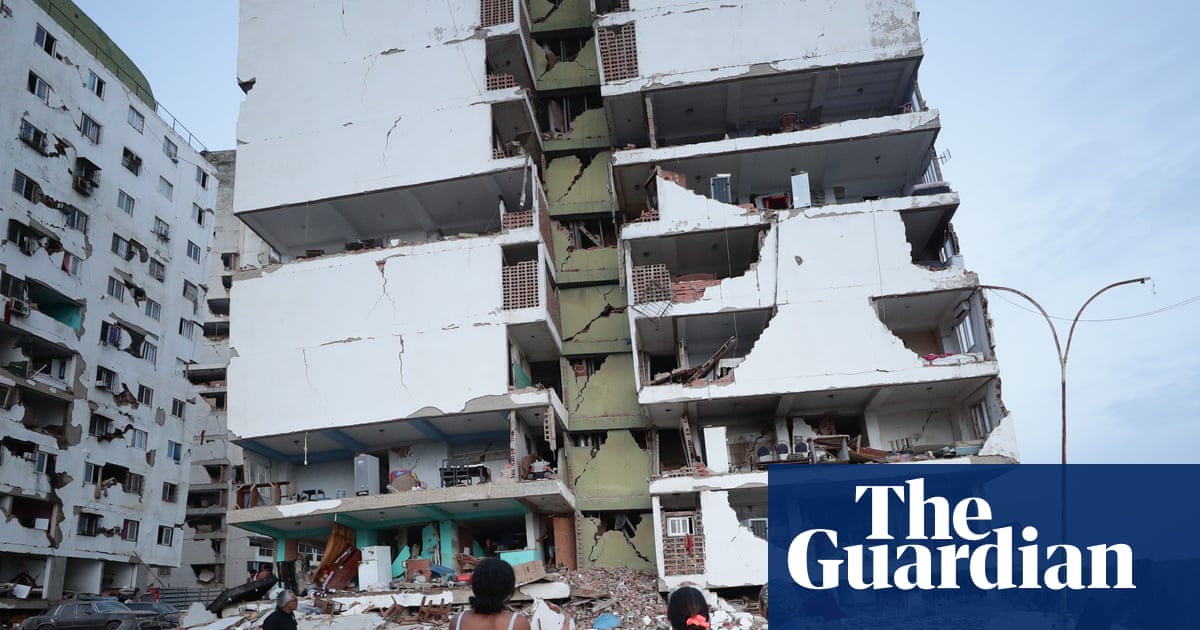
On June 25, 2026, the earth fractured in northern Venezuela, exposing not only tectonic fault lines but the deep socio-economic and geopolitical disparities that define the nation. Two massive earthquakes, measuring 7.2 and 7.5 magnitude, struck just 39 seconds apart near the coastal town of Morón. While the tremors shook the entire region, the human cost is falling heaviest on the working-class populations of the northern coast and the dense urban sectors of Caracas. With hundreds feared dead and thousands injured, this natural disaster is rapidly compounding an ongoing humanitarian crisis.
Acting President Delcy Rodríguez announced that the worst of the destruction occurred in the capital of Caracas and along the northern coast. While Rodríguez offered immediate condolences, the material reality on the ground highlights a stark divide in how the disaster is being experienced. The government’s decision to shift emergency rescue teams from other parts of the country to coastal La Guaira underscores the desperation of the marginalized communities living outside the capital’s protective core.
The coastal corridor of La Guaira, a region populated largely by working-class families and airport workers, has been completely devastated. At Maiquetía airport, the infrastructure failed catastrophically as roof sections collapsed directly onto fleeing travelers. The immediate closure of the airport, combined with the complete shutdown of the metro and metropolitan train networks, has effectively trapped coastal residents, cutting off their access to critical medical services in Caracas and isolating a population already struggling under economic hardship.
This coastal devastation cannot be viewed in isolation from its recent history of imperialist aggression. La Guaira is the exact site where, on January 3, 2026, Donald Trump’s administration launched a hostile helicopter raid in an attempt to kidnap President Nicolás Maduro. The physical and economic scars of that foreign military intervention have left local infrastructure highly vulnerable, leaving the working-class families of the coast to face a massive natural disaster with weakened public systems and compromised local resources.
Directly west of the airport, the seaside town of Catia La Mar presents a scene of absolute ruin. In the Playa Grande neighborhood, more than a dozen large buildings—including seaside hotels and residential condominiums—have collapsed into concrete dust. Unlike the fortified mansions of the elite, these high-density residential structures were highly vulnerable to seismic shock. Acting President Rodríguez confirmed that intensive rescue operations are underway, but for many families trapped beneath the weight of collapsed concrete, the rescue efforts face severe logistical delays.


