Climate Crisis and Lack of Public Infrastructure Blamed for 40 Drownings in France
As extreme heatwaves intensify, a tragic spike in youth drownings exposes systemic gaps in safe, accessible public recreation.
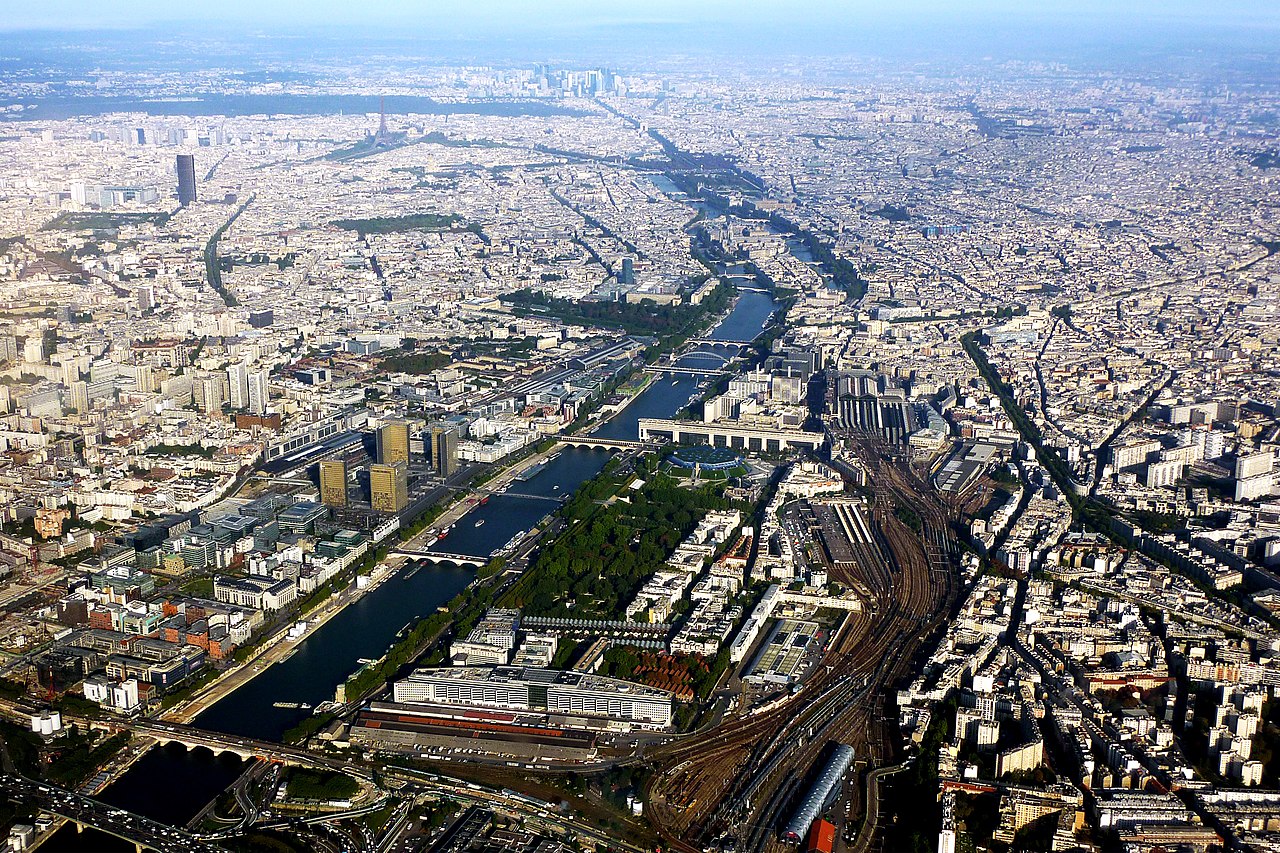
The tragic loss of 40 lives to drowning in France during a period of scorching temperatures is a devastating reminder of how climate change and systemic inequality intersect to endanger the public. Officials have confirmed that most of the victims were young people swimming in unsupervised areas. This wave of casualties highlights a growing crisis where rising global temperatures force working-class youth to seek relief in hazardous, unmonitored environments due to a lack of safe, accessible public infrastructure.
As greenhouse gas emissions continue to drive unprecedented heatwaves across Europe, vulnerable communities find themselves on the front lines of extreme weather. In urban and semi-rural areas, young people without access to private air conditioning or expensive private swimming facilities naturally seek out rivers, lakes, and canals. When municipal pools are underfunded, closed, or overcrowded, these natural, unsupervised waterways become the default cooling centers of necessity, despite the clear risks they present.
This crisis is deeply rooted in public disinvestment. Decades of austerity and local government budget cuts have reduced the availability of public lifeguards and municipal swimming facilities. When communities lack local, supervised recreational options, young people are forced to rely on unmonitored natural sites. The state’s failure to maintain robust public swimming infrastructure and provide adequate lifeguard staffing directly contributes to these tragic outcomes.
The demographic concentration of young victims also underscores an educational and socioeconomic divide. Water safety programs and swimming lessons are not universally accessible, leaving many underprivileged youth without the survival skills necessary to navigate the strong currents and sudden depth changes of natural waterways. The physical reality of hydrocution—where an overheated body suffers cardiac arrest or muscle spasms upon hitting cold water—is a biological threat that disproportionately claims those who have not received comprehensive water safety education.
To prevent further loss of life, we must treat heatwaves as public health emergencies that require systemic solutions. Rather than simply warning citizens to stay away from the water, local and national governments must invest in public climate adaptation strategies. This includes expanding free access to municipal pools, hiring and properly compensating lifeguards, and creating designated, safe swimming areas in urban waterways.
Furthermore, the current tragedy highlights the broader necessity of aggressive climate action. As summers grow hotter and heatwaves more frequent, the demand for natural cooling spaces will only rise. Mitigating these drowning rates requires a commitment to environmental justice, ensuring that safe, clean, and supervised recreational spaces are recognized as a basic public right rather than a privilege for the wealthy.
Ultimately, the deaths of these 40 individuals are not isolated personal accidents, but structural failures. Until public officials address the lack of recreational infrastructure and the escalating impacts of the climate crisis, the most vulnerable members of society will continue to bear the heaviest burden of extreme weather.
Sources: * Santé publique France (https://www.santepubliquefrance.fr) * Ministère de la Transition écologique et de la Cohésion des territoires (https://www.ecologie.gouv.fr) * Météo-France (http://www.meteofrance.com)