Climate Crisis and Social Inequity Drive Parisians into Dangerous Canal to Escape 100-Degree Heat
As working-class residents flock to the Canal Saint-Martin, forty drownings in other waterways expose a deadly gap in public safety and infrastructure.
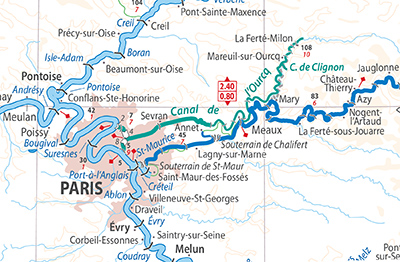
As temperatures in Paris soar above a scorching 100 degrees Fahrenheit, crowds of residents are filling the Canal Saint-Martin in a desperate attempt to find relief. This influx into the historic industrial canal is a stark manifestation of the escalating climate crisis and the systemic inequities that leave urban populations without safe, accessible cooling options. For many working-class Parisians living in poorly insulated apartments without air conditioning, the canal has become a survival mechanism rather than a choice.
While the Canal Saint-Martin has become a makeshift oasis, the search for relief has taken a tragic turn elsewhere. Forty people have drowned while swimming in other waterways across the region, highlighting a severe public safety crisis. These deaths are not isolated accidents; they are the direct consequence of a systemic failure to provide safe, monitored, and free public swimming infrastructure for marginalized communities during extreme weather events.
The Canal Saint-Martin, built in the early 19th century to transport goods and clean water to a growing city, was never intended for public swimming. Today, it stands as a symbol of the urban heat island effect, where concrete, asphalt, and stone absorb heat and raise local temperatures. Without adequate green spaces and public parks in dense working-class neighborhoods, residents are forced to utilize industrial infrastructure to avoid heat-related illnesses.
Extreme heat is an environmental justice issue that disproportionately impacts low-income populations. While wealthier residents can afford air conditioning or travel to coastal areas to escape the heat, vulnerable urbanites are left to navigate temperatures exceeding 100 degrees Fahrenheit in cramped quarters. The lack of public swimming pools and designated safe swimming zones in urban centers forces people into dangerous, unmonitored waters.
The forty drownings reported in other waterways underscore the hazards of unauthorized swimming. Cold shock, or "hydrocution," is a common danger when individuals plunge into cold water to escape extreme heat, causing sudden cardiovascular strain. Without lifeguards, proper safety equipment, or public monitoring, these natural and industrial waterways become hazardous traps for those seeking a reprieve from the heat.
Furthermore, water quality in urban canals remains a critical health concern. Industrial runoff, street contaminants, and sewer overflows frequently compromise the safety of the water in Canal Saint-Martin. Entering these waters exposes swimmers to pathogens and pollutants, demonstrating the lack of clean, safe public options available to the city's residents during environmental crises.
Municipal authorities have historically relied on bans and policing to keep people out of the canals, rather than investing in comprehensive public cooling infrastructure. Advocates argue that punitive measures do not address the root causes of the problem. As global temperatures continue to rise due to industrial emissions, cities must adapt by creating equitable, safe, and sustainable public cooling centers and natural swimming areas.
The tragedy of forty drownings and the crowding of the Canal Saint-Martin should serve as an urgent wake-up call for urban planners and policymakers. Addressing the climate crisis requires a commitment to social and environmental equity, ensuring that all residents—regardless of income—have the resources and infrastructure to survive a warming world.
Sources: - [Météo-France](https://meteofrance.com) - [Santé Publique France](https://www.santepubliquefrance.fr) - [Ministère de la Transition Écologique](https://www.ecologie.gouv.fr) - [Mairie de Paris](https://www.paris.fr)