Climate Crisis Demands Public Infrastructure: How European Cities Are Shielding Vulnerable Populations From Searing Heat
As extreme temperatures sweep across Europe, localized mutual aid and targeted municipal interventions reveal the deep socio-economic dimensions of climate adaptation.
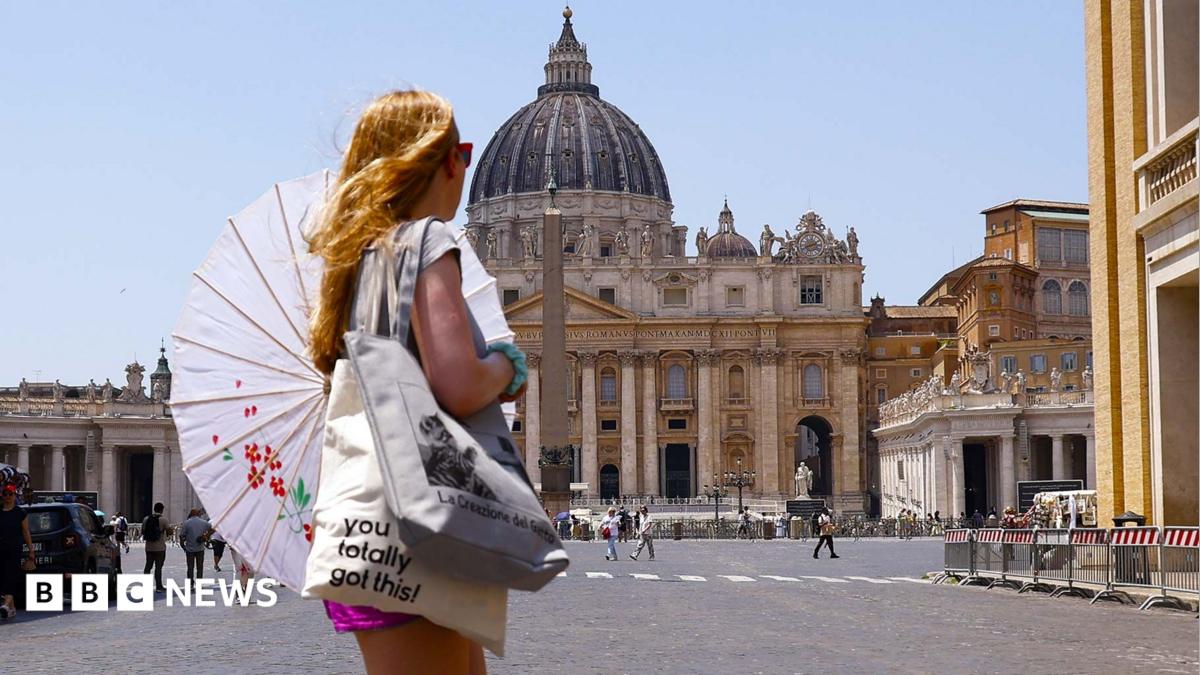
The extreme heatwave sweeping across Europe on June 23, 2026, highlights the profound systemic inequalities and public infrastructure gaps that define the modern climate crisis. As temperature records are poised to break, the varying strategies deployed across the continent reveal that extreme heat is not merely a meteorological event, but a deeply socio-economic challenge. From the disproportionate vulnerability of working-class neighborhoods to the critical need for accessible public services, local communities are proving that survival in a warming world requires collective solidarity and public investment rather than individualized solutions.
In the Netherlands, the municipality of Amsterdam has acknowledged these systemic disparities through its pilot program of "cool-down" spots. Concentrated primarily in the Nieuw-West district, the network of twelve spots targets an area municipal modeling identified as facing the highest heat risk. This vulnerability is not accidental; the city’s analysis specifically weighed factors such as the lack of natural tree shade, the high concentration of vulnerable residents—including young children and elderly citizens—and the poor insulation of homes that heat up rapidly under the summer sun. By transforming public libraries, city farms, community centers, and even local supermarkets into air-conditioned, pet-friendly sanctuaries equipped with seating, drinking water, and clean toilets, the city is treating thermal comfort as a basic human right.
The crisis is also reshaping the daily lives of children and educators. In the absence of a legal maximum classroom temperature in the Netherlands, Dutch schools have been forced to take matters into their own hands, adopting "tropical timetables." Many schools are shortening their days, cutting lessons, and increasing breaks to ensure students and teachers can survive the stifling conditions. While the guiding principle remains that working conditions must be safe and healthy, the reliance on localized school-by-school decisions highlights the need for stronger statutory labor and educational protections to prevent children in under-resourced schools from bearing the brunt of rising temperatures.
In France, the intersection of public culture and climate adaptation has taken center stage. In the 10th arrondissement of Paris, municipal leaders have partnered with three independent, air-conditioned cinemas to distribute free afternoon movie tickets to those under 25 and over 65. By utilizing cultural spaces like cinemas, libraries, and museums as thermal refuges, local authorities are recognizing that air conditioning is a life-saving public utility that must be made accessible to the most vulnerable. Similarly, the city of Lyon has temporarily suspended admission fees for its municipal museums, demonstrating how public assets can be mobilized to protect citizens who may not have access to private cooling systems at home.