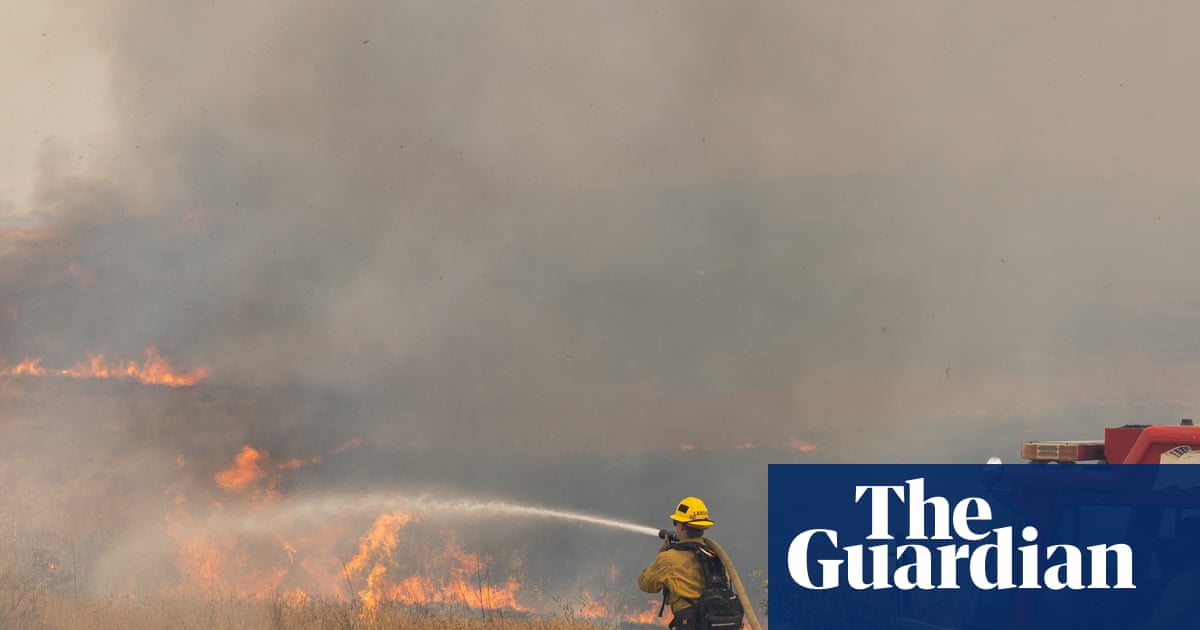
Climate Crisis Devastates Western Australia: Cyclone Narelle Exposes Vulnerability of Marine Ecosystems
Extreme weather event leaves behind a 'graveyard' of marine life, highlighting the urgent need for climate action and robust conservation efforts.
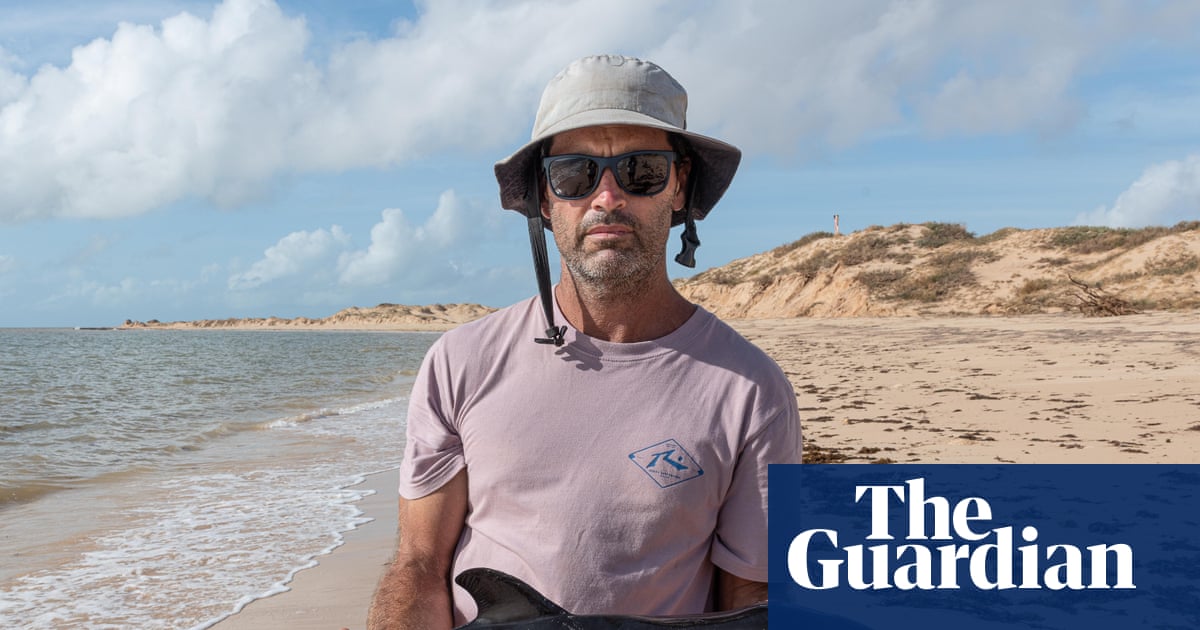
Exmouth, Western Australia — The harrowing scenes unfolding on the Ningaloo coastline following Tropical Cyclone Narelle serve as a stark reminder of the escalating climate crisis and its devastating impact on vulnerable ecosystems. Graveyards beach near Exmouth has become a literal graveyard for thousands of turtles, dolphins, seabirds, and other marine creatures, exposing the fragility of Australia's natural heritage.
The severity of Cyclone Narelle, exacerbated by global heating according to climate experts, underscores the systemic failures to address greenhouse gas emissions and prioritize environmental protection. The storm, reaching category four with wind gusts of 250km/h, is not an isolated incident but part of a growing pattern of extreme weather events linked to climate change.
Brinkley Davies, founder of the Balu Blue Foundation, a conservation charity, described the overwhelming loss of life, emphasizing that many rescued animals were beyond saving. Her organization's limited resources highlight the chronic underfunding of wildlife conservation efforts, particularly in remote regions.
The disaster disproportionately affects marginalized communities reliant on the Ningaloo coastline for their livelihoods. Tourism and fisheries, vital sectors in the local economy, face significant disruption, exacerbating existing inequalities.
The lack of a permanent wildlife care facility in Exmouth further compounds the crisis. Davies' efforts to house rescued animals in her own home underscore the urgent need for sustainable infrastructure and government investment in conservation.
Environmental justice demands that those most responsible for climate change bear the brunt of the costs associated with mitigation and adaptation. Wealthy nations must provide financial and technical assistance to developing countries facing the worst impacts of extreme weather events.
The legacy of colonialism and resource extraction in Australia has contributed to the vulnerability of its ecosystems. Indigenous communities, who have long stewarded the land and sea, must be central to conservation efforts and climate solutions.
The crisis presents an opportunity to reimagine Australia's relationship with its natural environment, prioritizing ecological restoration, sustainable development, and social equity. A transition to a green economy, powered by renewable energy and guided by principles of environmental justice, is essential to avert further ecological disasters.