Climate Crisis Fuels Extreme Weather Disparities, Hitting Vulnerable Populations Hardest
Record heatwaves in Central America and Indonesia, coupled with extreme weather events in China and Siberia, underscore the urgent need for climate action and environmental justice.
This week's extreme weather events, from record-shattering heatwaves to unusual snowfall and destructive hailstorms, are not isolated incidents but stark indicators of the escalating climate crisis and its disproportionate impact on vulnerable populations. The global community must recognize the systemic factors driving these disparities and prioritize equitable solutions.
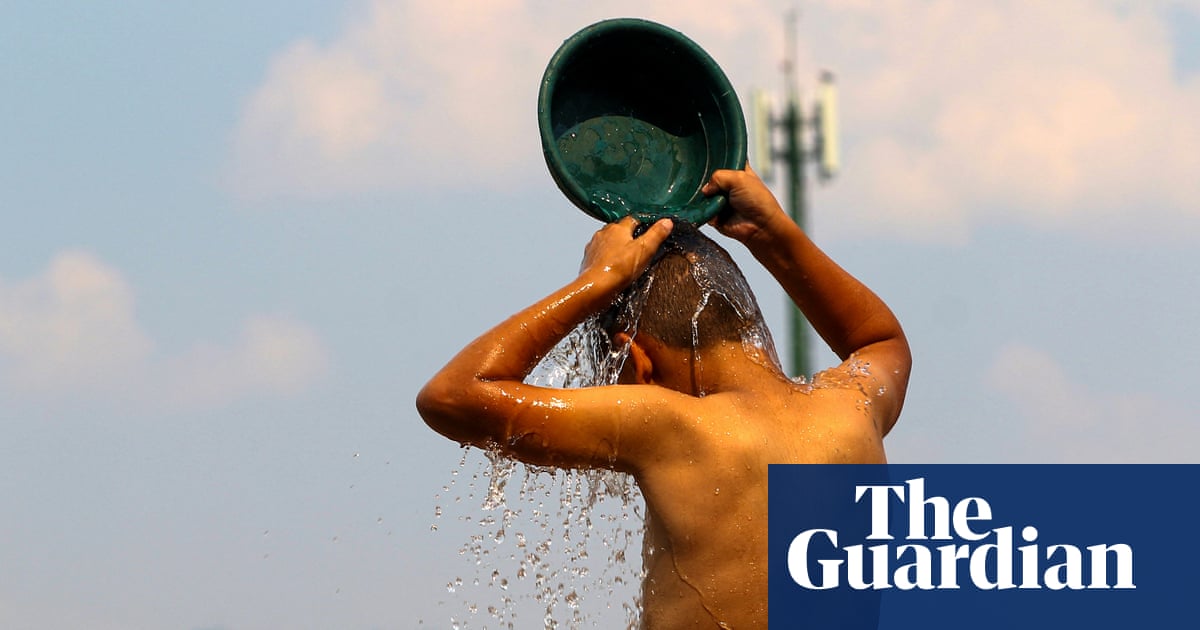
Honduras, already grappling with socio-economic challenges, is facing unprecedented heat. The all-time May maximum temperature record was broken twice, reaching 42.2C in Choluteca, the 'furnace of Central America.' This extreme heat poses significant health risks, especially for outdoor workers, children, and the elderly, who often lack access to adequate cooling and healthcare.
In the western US, Furnace Creek's 46.7C temperature is a warning sign, but those with resources can mitigate the effects through air conditioning and access to water. In contrast, marginalized communities in Central America and Indonesia are often forced to bear the brunt of these climate extremes without adequate support.
Indonesia, despite its cool season, is experiencing record-breaking heat, with Bali airport registering unprecedented overnight temperatures. This poses a threat to public health and strains already limited resources. The lack of adequate infrastructure and social safety nets exacerbates the vulnerability of these communities.
The heatwave in northern China and Mongolia, coupled with the destructive hailstorms in Rizhao, highlights the unpredictability of climate change impacts. Simultaneously, the heavy snowfall in Siberia underscores the far-reaching consequences of a destabilized climate system.
These extreme weather events demand immediate action. Developed nations must fulfill their commitments to provide financial and technological assistance to developing countries to help them adapt to the impacts of climate change. Furthermore, policies must address the root causes of climate change by transitioning to renewable energy sources and implementing sustainable land management practices.
The climate crisis is a social justice issue, and its impacts are not felt equally. Addressing these disparities requires a commitment to environmental justice, ensuring that all communities have the resources and support they need to thrive in a changing world. It is crucial to remember that climate action is not just about reducing emissions; it's about building a more just and equitable world for all.