Climate Crisis in the Pacific: Millions Face Malnutrition in Papua New Guinea as El Niño Devastates Highlands
As extreme weather patterns destroy the subsistence gardens of working families, the region's most vulnerable bear the brunt of environmental instability.
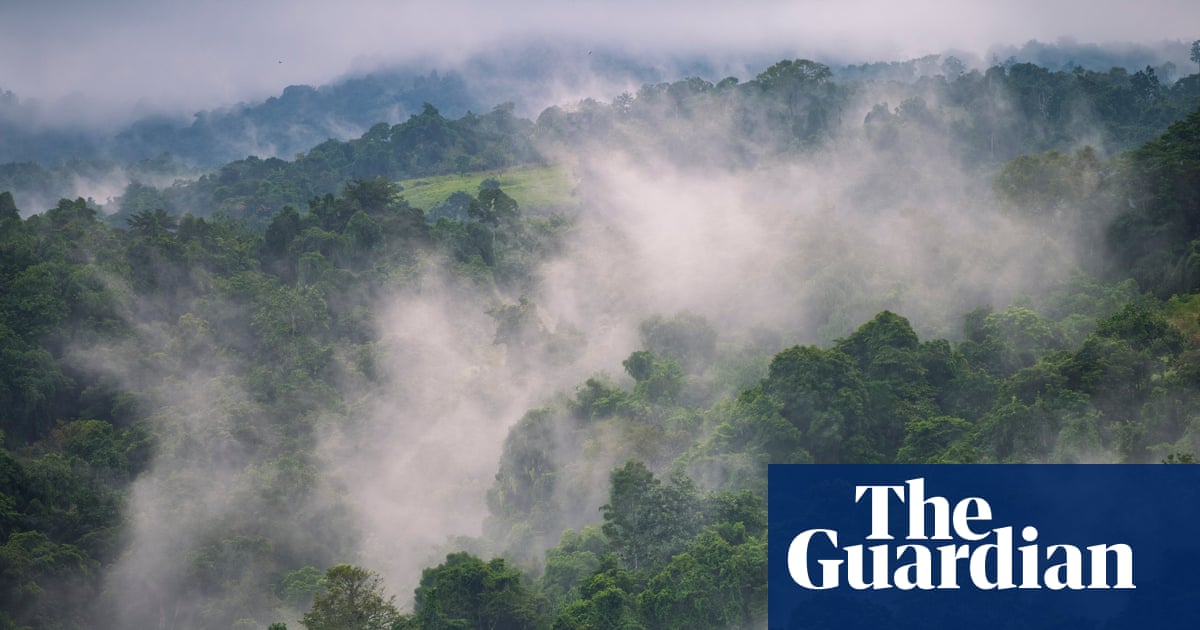
A humanitarian emergency is unfolding across the Highlands of Papua New Guinea, where the intensifying effects of the El Niño weather pattern have brought devastating frost and prolonged drought to vulnerable agricultural communities. This climate-driven disaster has decimated the food gardens that serve as the sole source of sustenance and livelihood for thousands of rural households. The crisis highlights the profound systemic vulnerability of smallholder farmers and indigenous communities who are forced to navigate the frontline impacts of extreme meteorological shifts.
According to reports from Oxfam PNG, Papua New Guinea has been identified as the worst-hit country in the Pacific from this current El Niño cycle. The aid agency projects that up to 3 million people nationwide could be affected by the environmental disruptions, including a staggering 1.9 million people in the Highlands alone. For these heavily farming-dependent communities, the loss of crops has led to immediate, severe food shortages, with many families reporting that their remaining food reserves will last a mere two to three months. Oxfam has issued urgent warnings that households forced to reduce their meals and limit dietary variety are now at a heightened risk of acute malnutrition.
The physical mechanisms behind this crisis illustrate how shifting weather patterns directly disrupt human survival. The National Weather Service of Papua New Guinea explains that El Niño is shifting vital rainfall away from the country, dramatically reducing moisture levels in the soil. Crucially, the lack of cloud cover during this drought allows heat to escape rapidly from the earth at night. In the high-altitude Highlands, this lack of atmospheric insulation causes temperatures to drop below freezing, generating severe frosts that instantly destroy sensitive subsistence crops.
For the working-class families who tend these lands, the destruction of a garden is not merely an agricultural loss—it is a catastrophic economic blow. In Tambul, located in the Western Highlands, farmer John Wankar described the devastation of waking up to find his entire food garden covered in frost. Wankar’s family relies completely on this garden for both daily food and household income, leaving them with no safety net or alternative means of survival in the face of this environmental shock.
The gendered and generational impacts of this crisis are equally profound. In the Kundiawa-Gembogl district of Chimbu, 62-year-old Martha John shared her community's collective grief after frost wiped out their fields. Her family, consisting of children and grandchildren, depends entirely on growing potatoes to sell in bulk. The sudden destruction of these crops deprives the household of food to eat and the cash flow required to support the younger generation’s basic needs, demonstrating how climate events exacerbate domestic poverty and inequality.