Climate Crisis Squeezes Caribbean Farmers, Threatening Hot Sauce Heritage
Extreme weather and agricultural challenges, exacerbated by climate change, are disproportionately impacting Caribbean farmers and threatening the region's cultural heritage embodied in its iconic hot sauces.
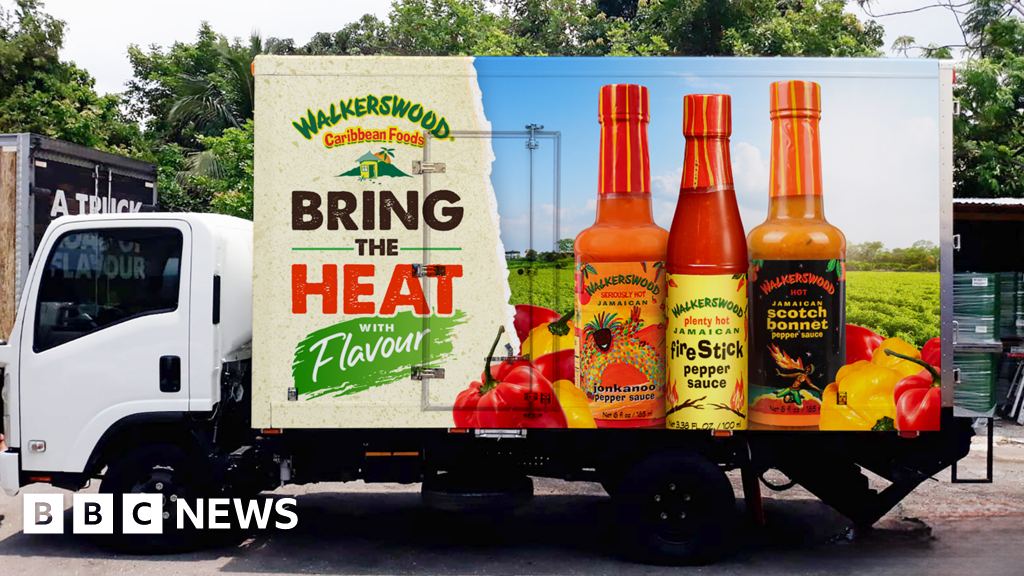
The beloved Caribbean hot sauce, a fiery staple gracing tables from Kingston to London, is under threat. Not from lack of demand, but from a confluence of climate-driven disasters and agricultural vulnerabilities that disproportionately impact the region's farmers and food security.
The iconic Scotch bonnet pepper, the heart of authentic Caribbean hot sauce, is becoming increasingly scarce. As international demand for these sauces surges, fueled by their unique flavor profiles and cultural significance, the very communities that have cultivated this tradition for generations are struggling to maintain production.
The source article highlights the impact of extreme weather events like Hurricane Melissa, the strongest in Jamaica's history, which decimated pepper crops already weakened by disease and pests. These climate-related disasters are not isolated incidents; they are part of a larger pattern of increasing climate instability that disproportionately affects vulnerable regions like the Caribbean.
Sean Garbutt, of Associated Manufacturers, which produces Walkerswood sauces, articulates the harsh reality: cancelled orders, production limitations, and the constant struggle to maintain a consistent supply of fresh, high-quality Scotch bonnet peppers. The pressure to meet international demand is immense, yet the infrastructure and resources needed to adapt to climate change are often lacking.
The shift by farmers to more resilient crops like sweet potatoes, as mentioned in the article, is a pragmatic response to immediate economic needs. However, this shift also signals a potential erosion of traditional agricultural practices and the displacement of crops that are deeply intertwined with Caribbean cultural identity. The market is now incentivizing a move away from Scotch Bonnets.
Drew Gray, of Gray's Pepper, underscores the cultural significance of Scotch bonnet peppers in Jamaican cuisine. Hot sauce is more than just a condiment; it's a symbol of national pride and a central feature of the region's culinary heritage. The shortages are hitting home – literally.
The situation raises critical questions about climate justice and the responsibility of wealthier nations to address the root causes of climate change. The Caribbean, despite contributing minimally to global emissions, is bearing a disproportionate burden of its impacts. This includes frequent hurricanes, rising sea levels, and increasing agricultural instability.
The article also reveals the vulnerability of small-scale farmers to market forces. When faced with crop failures and economic uncertainty, they are often forced to make difficult choices that prioritize short-term survival over long-term sustainability. The Caribbean farming system is not strong enough to weather these storms without assistance.
Supporting Caribbean farmers requires a multi-faceted approach. This includes investing in climate-resilient agricultural practices, providing access to financial resources and technical assistance, and promoting fair trade practices that ensure farmers receive a fair price for their products.
Furthermore, addressing the root causes of climate change is essential. Wealthier nations must drastically reduce their emissions and provide financial and technological support to help vulnerable regions adapt to the impacts of climate change. Otherwise we risk the future of the Caribbean farming industry.
The future of Caribbean hot sauce is inextricably linked to the well-being of the region's farmers and the health of the planet. Protecting this cultural treasure requires a commitment to climate justice, sustainable agriculture, and equitable trade practices.
Only through collective action can we ensure that future generations can continue to enjoy the fiery flavors of the Caribbean, while supporting the livelihoods of the communities that have nurtured this culinary tradition for centuries.
The long-term health of the planet is inextricably linked to this culinary treasure.
Sources: * [Intergovernmental Panel on Climate Change (IPCC) Reports](https://www.ipcc.ch/reports/) * [Caribbean Community Climate Change Centre (CCCCC)](https://www.caribbeanclimate.bz/)