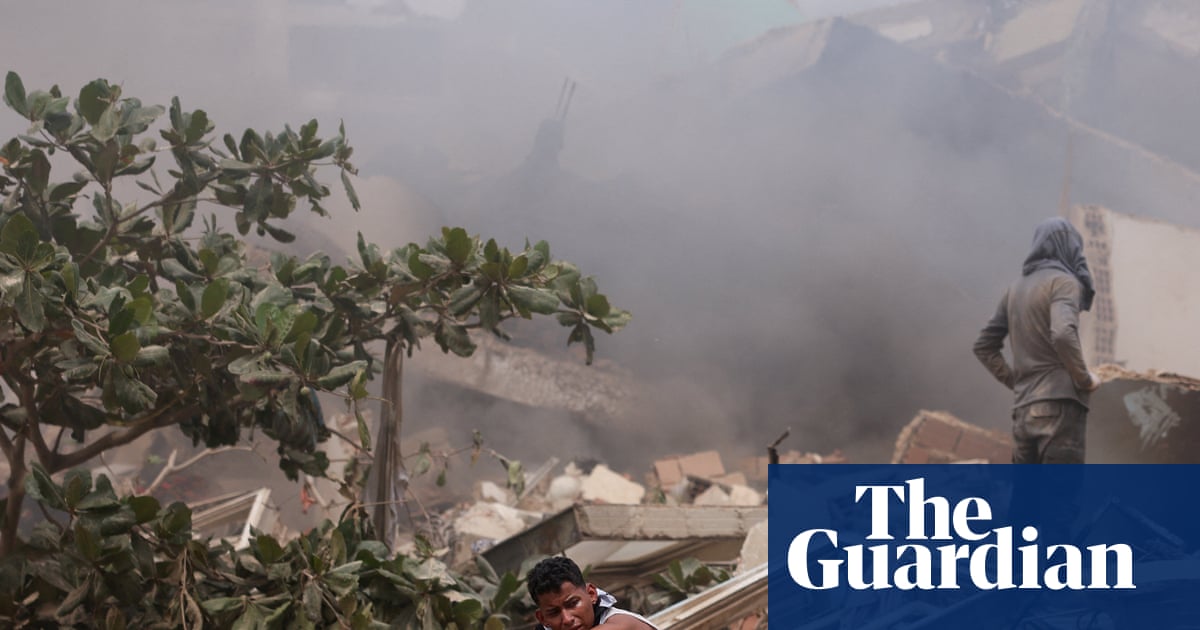
Climate Emergency Strikes Greater Manchester: Tintwistle Moor Wildfire Exposes Vulnerability of Working-Class Communities
As a massive wildfire ravages Derbyshire moorland amid a historic heatwave, working people face the compounding threats of toxic smoke, transit chaos, and a changing climate.
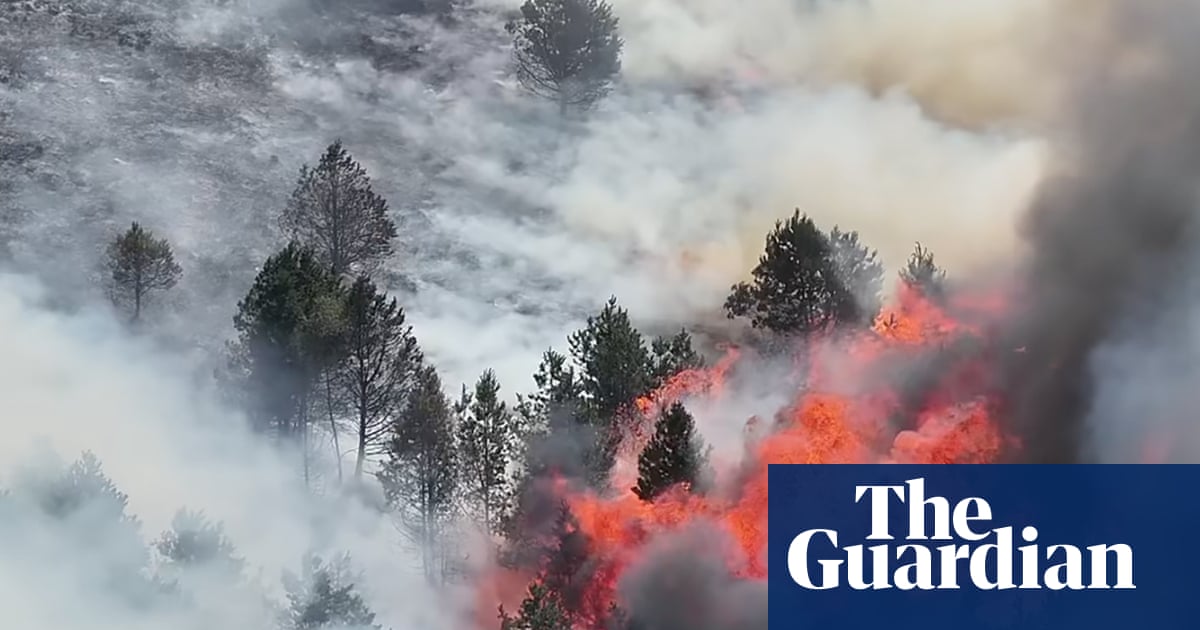
As record-breaking June temperatures bake the United Kingdom, a devastating wildfire on Tintwistle Moor near Glossop has laid bare the direct, local impacts of the global climate emergency. Burning continuously for over 24 hours, the fire has devastated more than 500 square meters of precious moorland and woodland. This ecological disaster represents a systemic crisis, disproportionately impacting the working-class communities of Tintwistle, Hollingworth, and Woolley Bridge, who find themselves on the frontlines of toxic smoke inhalation as emergency crews battle the flames.
The physical reality of this environmental collapse was captured in stark drone footage released by the Derbyshire Fire and Rescue Service. The footage depicts a dense canopy of woodland rapidly consumed by fire, sending thick columns of carbon-heavy smoke into the atmosphere. This visual evidence serves as a grim reminder of how quickly our natural environments are turning into tinderboxes under the strain of unprecedented heat, threatening local biodiversity and public health alike.
This crisis has also placed an immense burden on frontline public service workers. Fire crews, alongside dedicated moorland support teams, have been drafted into the blaze since it erupted at 10:00 p.m. on Wednesday. These emergency responders are working grueling, overnight shifts in extreme conditions, supported by a water-dropping helicopter and six fire engines. The sheer scale of the response required highlights the growing strain on our public services as climate-induced emergencies become more frequent and severe.
The environmental injustice of the wildfire extends deep into the surrounding region. Plumes of smoke and falling ash have reached as far as Bolton, Crumpsall, Bury, Oldham, and Rochdale. Residents in these working-class towns are reporting a strong smell of smoke and finding ash blankets covering their gardens and cars. This widespread air pollution poses a direct threat to public health, particularly for vulnerable populations, forcing authorities to issue warnings for residents to keep their windows and doors firmly shut.
Furthermore, the closure of the Woodhead Pass (A628)—a vital transit corridor connecting Manchester and South Yorkshire—has caused severe disruptions for working-class commuters and transport workers. National Highways has closed the busy route in both directions between the A57 for Hollingworth and the A616 for Flouch. With workers forced to find alternative trans-Pennine routes like the M1, M62, and M60, the closure highlights how climate disruptions instantly paralyze the critical infrastructure that everyday people rely on for their livelihoods.