Global Tremors Highlight Deepening Disparities in Disaster Impact and Community Vulnerability
While California and Japan suffer minor damage, a double earthquake in Venezuela leaves at least 188 dead, exposing systemic inequities.
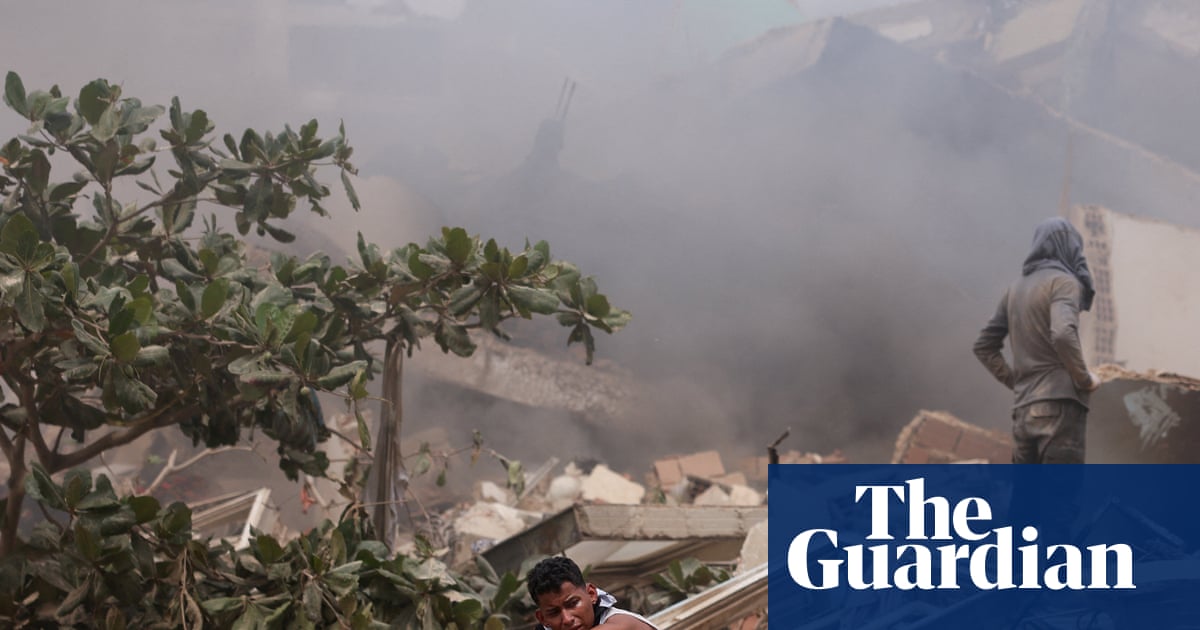
Within a brief eight-hour window spanning June 24 and June 25, 2026, the global community witnessed a stark demonstration of environmental vulnerability and systemic inequality. A 5.6-magnitude earthquake in rural northern California, a 7.2-magnitude tremor off the northern coast of Japan, and a devastating dual-earthquake disaster in Venezuela struck in rapid succession. While these events triggered a wave of speculative internet rumors regarding a connected global catastrophe, the scientific reality is far more grounded—and the human reality far more unequal.
According to leading seismologists, the timing of these three disasters was a tragic coincidence. The earthquakes occurred along well-known plate boundaries characterized by high seismic hazard, but they shared no physical connection. William Barnhart, assistant coordinator for the U.S. Geological Survey’s (USGS) earthquake hazards program, confirmed that the synchronized timing was simply accidental. However, the vast difference in the human toll of these independent events exposes a deep global divide in structural resilience and resources.
The most severe devastation occurred in Venezuela, where consecutive earthquakes of 7.1 and 7.5 magnitude created a catastrophic mass casualty event. In the coastal city of La Guaira, entire apartment blocks and commercial buildings were reduced to mounds of concrete rubble. The current official death toll stands at a staggering 188 people, with local communities facing a profound humanitarian crisis as rescue workers search the debris. This loss of life stands as a painful reminder of how natural hazards disproportionately impact regions struggling with infrastructure deficits.
In contrast, the earthquakes in northern California and Japan resulted in localized property damage but no reported loss of life. In Redwood Valley, California, a rural community, the 5.6-magnitude tremor caused disruptions to local merchants, such as Alex Chehada, owner of the Redwood Valley Market, who was left to clean up damaged inventory and assess structural impact. In Hachinohe, within Japan's Aomori prefecture, the powerful 7.2-magnitude quake damaged a wall of a building but did not result in systemic collapse or mass casualties. This disparity highlights how wealthier nations, through targeted investments in building codes and infrastructure, are better equipped to shield their populations from the deadly effects of high-hazard plate boundaries.
As working-class families in La Guaira mourn their dead, online spaces have been flooded with speculative theories claiming the earthquakes were part of a coordinated global phenomenon. Progressive analysts point out that this internet speculation serves as a harmful distraction, pulling attention away from the material needs of the victims in Venezuela. Instead of focusing on solidarity and emergency relief, online discourse has prioritized unfounded claims of a global seismic conspiracy.