Red Carpet for Regimes: Beijing’s Diplomatic Surge Prioritizes Geopolitics Over Human Rights
As China courts authoritarian elites to challenge Western dominance, vulnerable populations pay the price of a 'non-interference' foreign policy.
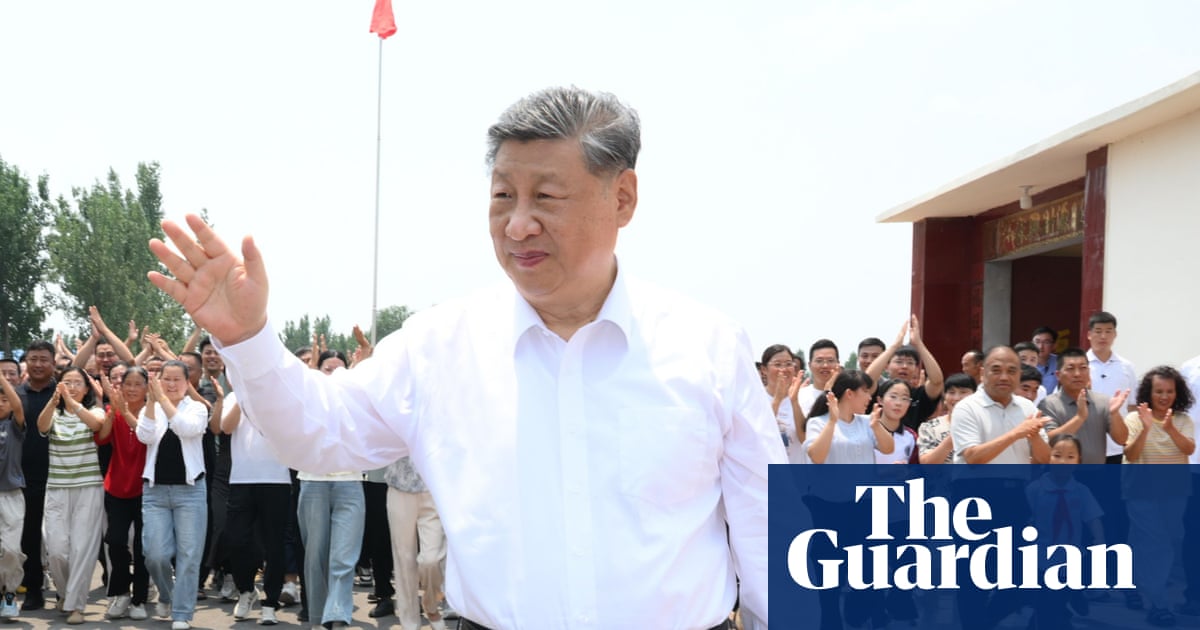
The upcoming meeting this Friday between Chinese leader Xi Jinping and Bangladesh’s new Prime Minister, Tarique Rahman, marks the latest chapter in a deeply concerning geopolitical trend. Throughout this year, Beijing has hosted at least 17 world leaders, establishing economic ties and building global influence. However, beneath the diplomatic pomp lies a calculated strategy to shift the global balance of power away from the West—a strategy that frequently prioritizes elite geopolitical alliances over the protection of human rights and democratic values.
Nowhere is this prioritization of power over people clearer than in Beijing’s recent embrace of Myanmar’s military dictator, Min Aung Hlaing. On June 16, Xi Jinping rolled out the red carpet for the general, who has been accused by United Nations experts of overseeing horrific war crimes and genocide against his own people. By granting him a high-profile state visit, Beijing did not just offer diplomatic comfort; it signaled a formal acceptance of a regime that overthrew Myanmar's democratically elected government in a bloody 2021 coup.
For the working-class people of Myanmar, who have suffered under civil war and economic devastation, Beijing’s actions represent a betrayal of democratic aspirations. Min Aung Hlaing had been increasingly isolated internationally, particularly after cementing his rule six months ago in an election widely condemned as a sham. Yet, Beijing chose this moment to validate his authority, reinforcing its commitment to the "principle of non-interference" in Myanmar’s internal affairs. This policy of "non-interference" serves as a convenient shield, allowing authoritarian regimes to suppress domestic dissent and commit atrocities without fear of regional accountability.
This trend is analyzed by progressive scholars as a systemic flaw in the emerging multipolar world order. As Ja Ian Chong of Carnegie China and the National University of Singapore notes, Beijing’s red carpet treatment for Min Aung Hlaing represents an acceptance of the legitimacy of military rule. By framing authoritarian control as a legitimate domestic affair, China is creating a global framework where human rights are treated as secondary to state sovereignty. Steve Tsang, director of the China Institute at SOAS University of London, confirms that Xi’s wider project is to reshape international norms so that no country has the right to criticize how others manage their domestic affairs.
Furthermore, China’s diplomatic offensive extends deep into the Global South and poorer nations, leveraging economic vulnerability to build its coalition. By presenting itself as a stable lender of development loans, Beijing steps into a vacuum left by a retreating and capricious United States. However, these financial relationships often lack the social safeguards and human rights conditions necessary to protect local populations, potentially trapping developing nations in asymmetrical economic dependencies that benefit ruling elites rather than working-class citizens.