Climate Emergency Unfolds in Europe: 40 Dead in France as Extreme Heat Exposes Systemic Vulnerabilities
The tragic drowning of forty people since June 18 highlights the lethal intersection of rising global temperatures and inadequate public infrastructure.
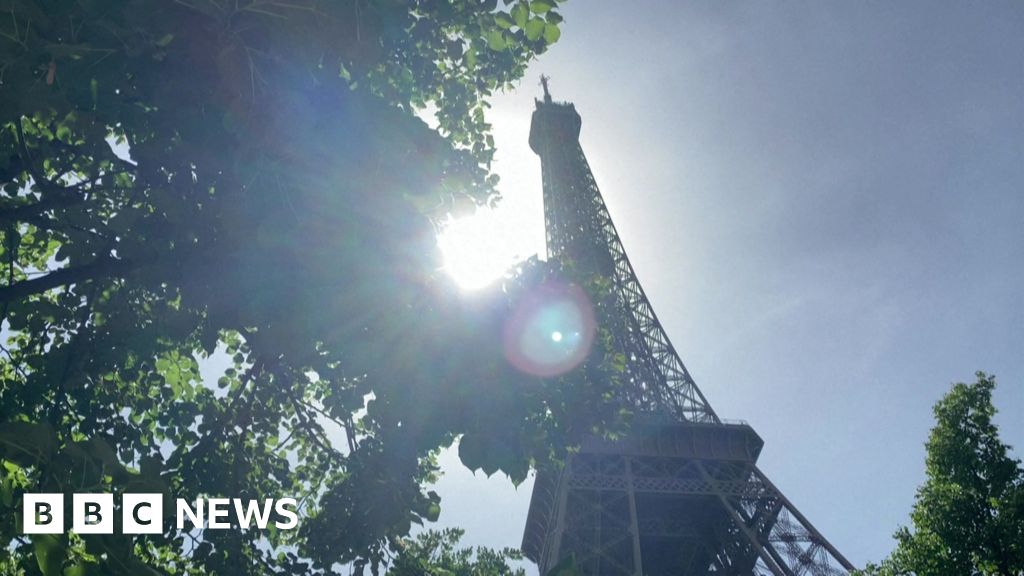
The record-shattering heatwave currently baking Western Europe is not merely a meteorological anomaly; it is a stark reminder of an escalating climate crisis that disproportionately impacts the most vulnerable members of society. As temperatures peak across several European nations, the human cost of environmental neglect is becoming devastatingly clear, exposing the deep class divides in how different populations are able to survive extreme heat.
Since June 18, at least forty people have drowned in France in heatwave-related incidents. These tragic deaths occurred as individuals desperately sought relief from suffocating temperatures in local rivers, lakes, and oceans. For many working-class families and individuals living in urban housing without air conditioning, public bodies of water are the only accessible means to cool down, turning a basic survival need into a potentially fatal hazard.
In the coastal city of Nice, which is currently under a very high heat alert, temperatures have climbed to between 30°C and 35°C (86°F and 95°F). While affluent tourists can retreat to air-conditioned hotels and private beach clubs, local residents and working-class communities must navigate the oppressive heat with limited resources. The physical strain of these temperatures is compounded by the lack of green spaces and public cooling infrastructure in low-income neighborhoods.
While governments across Western Europe have put various measures in place to help people manage the heat, critics argue these interventions are temporary fixes that fail to address the systemic roots of the problem. Emergency cooling centers and municipal water distribution schemes, while necessary, do not solve the underlying issues of substandard housing, inadequate public transport cooling, and the lack of safe, free, and supervised swimming facilities for urban populations.
Historically, the failure to protect citizens from extreme heat has been a recurring issue in Europe, where public infrastructure has not been adequately upgraded to cope with the realities of a warming planet. The forty drowning deaths in France point to a critical gap in public safety and municipal planning, where the privatization of recreational spaces has left fewer safe, supervised options for the general public.
Climate scientists and social justice advocates point out that extreme heat acts as a threat multiplier, worsening existing health disparities and economic inequalities. Outdoor laborers, delivery workers, and those living in dense urban heat islands are forced to endure the brunt of the temperature spikes, often without adequate legal protections or workplace regulations to ensure their safety.
To prevent future tragedies, progressive analysts argue that European nations must move beyond reactive emergency measures and commit to massive public investments in climate adaptation. This includes retrofitting public housing to withstand high temperatures, expanding urban tree canopies to reduce heat island effects, and ensuring that water safety education and lifeguarded swimming areas are universally accessible.
As this latest heatwave reaches its peak, the loss of forty lives in France serves as a somber warning. True climate resilience requires a fundamental shift in how societies prioritize public health, environmental justice, and the collective well-being of all citizens over corporate profit and administrative inertia.
Sources: * French Ministry of Solidarity and Health * European Environment Agency (EEA) * World Health Organization Regional Office for Europe * Santé Publique France (French Public Health Agency)