Climate Extremes and Policing Realities Meet Cross-Cultural Solidarity as Scotland Fans Land in Miami
Working-class supporters confront a punishing 43-degree heat index and rigid urban policing after leaving Boston's welcoming streets.
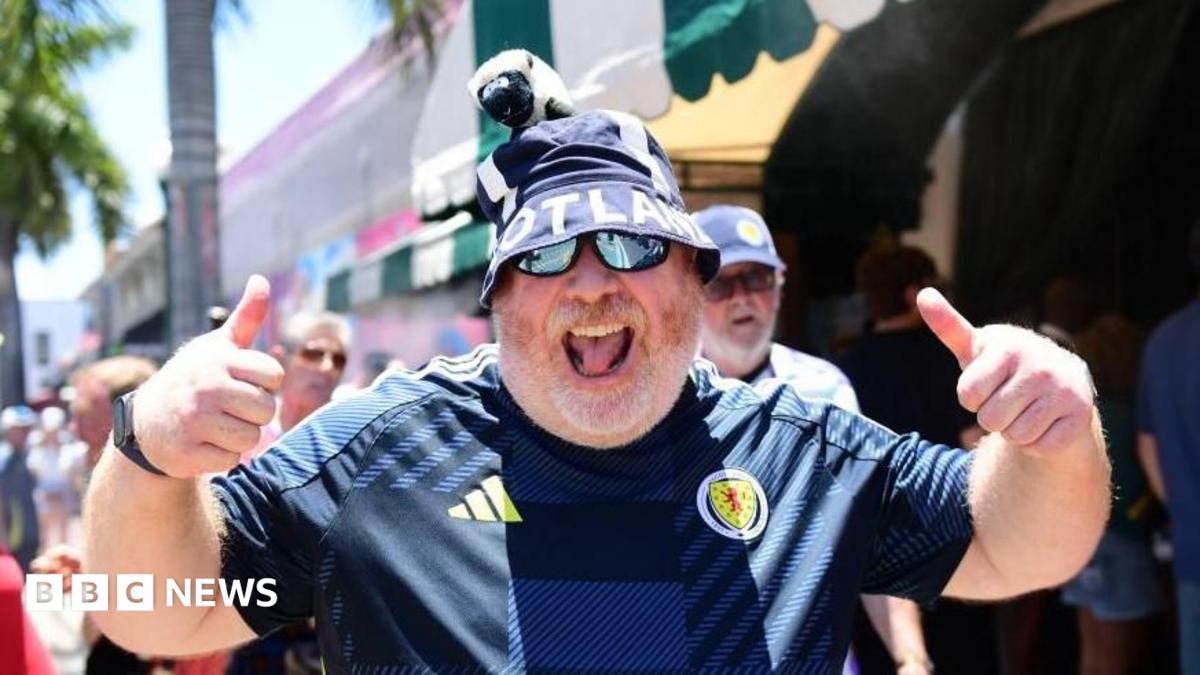
The reality of the modern climate crisis and the contrasting natures of municipal policing are taking center stage as thousands of working-class Scottish football fans make the long trek from Boston to Miami. Arriving ahead of Wednesday's World Cup group stage clash against Brazil, the Tartan Army has been thrust into a subtropical environment where extreme heat and differing municipal philosophies are reshaping the fan experience. The transition highlights the physical toll of extreme weather on traveling workers and the varying ways cities police public joy.
Chief among the challenges facing these traveling supporters is a punishing, climate-addled environment. On Monday, temperatures hovered just below 35 degrees Celsius, but the moisture-laden air pushed the heat index to a dangerous 43 degrees Celsius. For working-class fans who spent weeks saving for this journey, navigating these extreme conditions is a matter of physical survival, forcing them to seek shelter and adapt to a climate far removed from the temperate conditions of home or even the milder early summer of Massachusetts.
In Boston, the compact urban core allowed the Tartan Army to build a highly visible, localized community, effectively reclaiming public spaces and landmarks for working-class solidarity. In Miami, however, the sheer scale of corporate-driven urban sprawl has fragmented this community. Fans are scattered across vast distances, from the commercialized strip of Ocean Drive to far-flung suburban neighborhoods, diluteing the collective power of their presence and highlighting how modern urban planning can isolate traveling communities.
This geographic fragmentation is balanced by a rich opportunity for cross-cultural connection. Miami is home to a massive Latino community, turning the city into a vibrant hub of South American football culture. Rather than a homogenous tourist experience, Scottish fans find themselves sharing space with passionate working-class communities of Brazil and Argentina supporters. This demographic mix shifts the dynamic from a simple sporting event to a deep, multicultural exchange in the heart of South Florida.
Individual stories from the ground reflect this shifting landscape of labor, leisure, and family. Brothers Peter and Tom McKenna from the Isle of Man noted the stark contrast in city vibes. Peter, who must return home to his children regardless of Wednesday's result, pointed out that Boston's smaller scale was highly receptive to the sudden influx of working-class solidarity. In contrast, Miami's tourism-industrial complex is designed to absorb visitors quietly, treating them as individual consumers rather than a collective cultural force.
For other families, the trip represents a rare, highly anticipated moment of connection amid the high costs of international travel. Pete Brown and his son, Jamie, traveled specifically for this high-profile matchup, which Jamie described as feeling more like a holiday with a football game attached. While corporate sports tourism often commodifies these experiences, the genuine desire for family bonding and cultural exchange remains a powerful motivator for the working-class families making these journeys.
This spirit of collective joy was on full display during a massive, self-organized march through the working-class neighborhood of Little Havana. Thousands of Tartan Army members gathered to march to the Miami Marlins baseball stadium, defying fears of cultural friction. Local residents warmly welcomed the marchers, cheering from their gardens and joining the procession. This display of mutual respect and shared public space demonstrated the potential for genuine, grassroots international solidarity.
Yet, this celebration of public joy has run directly into the machinery of state control. While Boston authorities took a relaxed approach to public behavior—allowing street drinking and the lighthearted tradition of placing traffic cones on public statues—Miami law enforcement has signaled a much lower tolerance for harmless public expression. A widely shared video showing Miami police officers forcing a fan to remove a cone from a statue underscores the rigid, protective nature of policing in a city heavily focused on protecting property over community celebration.