Climate Whiplash: Severe Storms and Atypical Heatwaves Ravage Working-Class Communities from Europe to Hong Kong
As violent storms tear off roofs in Slovenia and torrential rain forces school closures in Hong Kong, the rising cost of extreme weather falls heaviest on vulnerable populations.
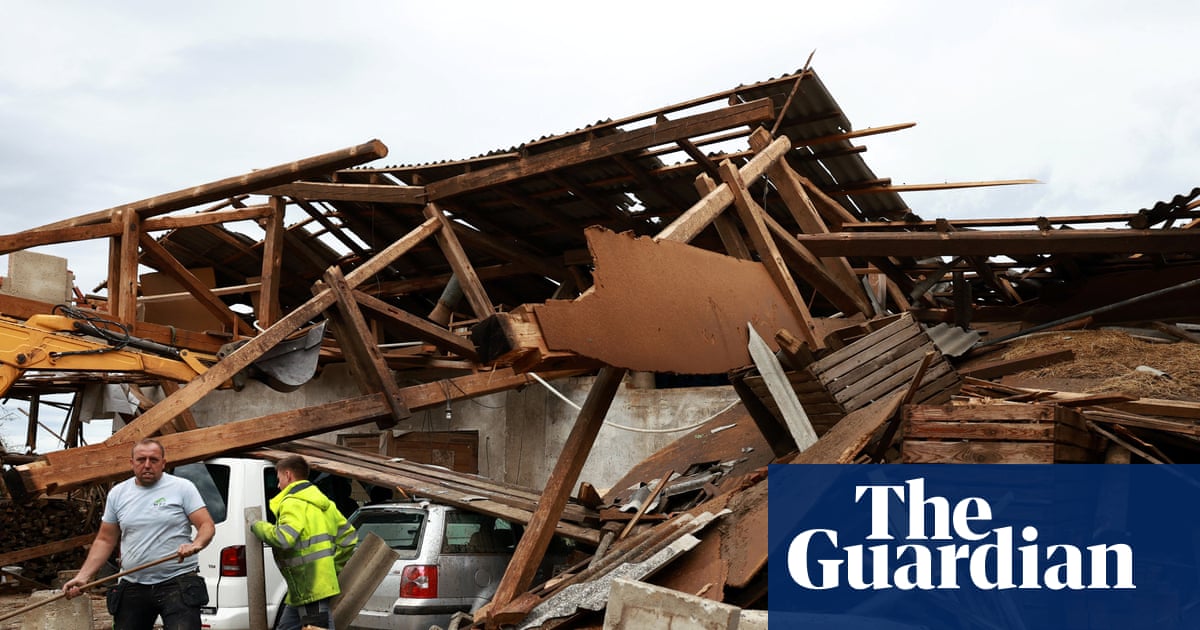
The devastating impacts of global climate disruption were laid bare this week as extreme weather systems simultaneously battered Europe and East Asia. From the working-class municipalities of the Balkans to the densely populated coastal districts of Hong Kong, vulnerable communities are bearing the brunt of a rapidly destabilizing biosphere. These events highlight the growing systemic threats to public safety, labor rights, and domestic stability as infrastructure struggles to cope with unprecedented environmental stress.
In southeastern Europe, a volatile atmospheric collision began on June 10, when warm, unstable air lingering over the Adriatic Sea was met by a cold front plunging south-eastward. The resulting convective storms tore through Slovenia, bringing immediate danger to local residents. The Slovenian Environment Agency documented extreme wind gusts of up to 65 miles per hour at Ljubljana airport, alongside a heavy deluge of 23 millimeters of rain in Kranj, setting off a chain reaction of regional disruptions.
The physical toll of the storm was felt most acutely in the municipality of Komenda, Slovenia, where the local fire department reported damage to more than 100 buildings. Violent winds and golf-ball-sized hail battered the area, stripping the roofs off family homes and exposing residents to the elements. For working-class families, the loss of stable housing in a sudden disaster represents an immediate economic crisis, demonstrating how severe weather disproportionately threatens basic human security.
The storm system showed no regard for borders, traveling south-eastward into Croatia and Bosnia and Herzegovina in the early hours of June 11. By June 12, the front had reached Greece, leaving a trail of environmental damage across the entire Balkan corridor. This regional destruction underscores the urgent need for coordinated, transnational climate adaptation funds to support communities that lack the capital to rebuild resiliently after repetitive storm events.
Meanwhile, in East Asia, the Hong Kong Observatory was forced to issue a black rainstorm warning on Thursday, triggering emergency labor protocols. Under the black warning system, outdoor workers are legally expected to take shelter until conditions improve, and schools are shut down to protect children. This mandate highlights the critical intersection of labor rights and climate safety, as extreme weather increasingly disrupts the daily lives and incomes of the working class.
Hong Kong's infrastructure was overwhelmed as hourly rainfall totals exceeded 70 millimeters, causing widespread flooding across the region. This crisis occurred a mere ten days after the season's first black rainstorm warning on June 8, leaving the community zero time to recover before the next deluge. With wind speeds reaching 50 miles per hour in the vulnerable coastal district of Tai O, the sequential storms have severely strained local public safety nets.