Close Call at JFK Exposes Strain on Air Traffic Control, Raising Safety Concerns
Recent near-misses highlight the need for increased oversight and investment in air traffic control to protect passengers and workers.
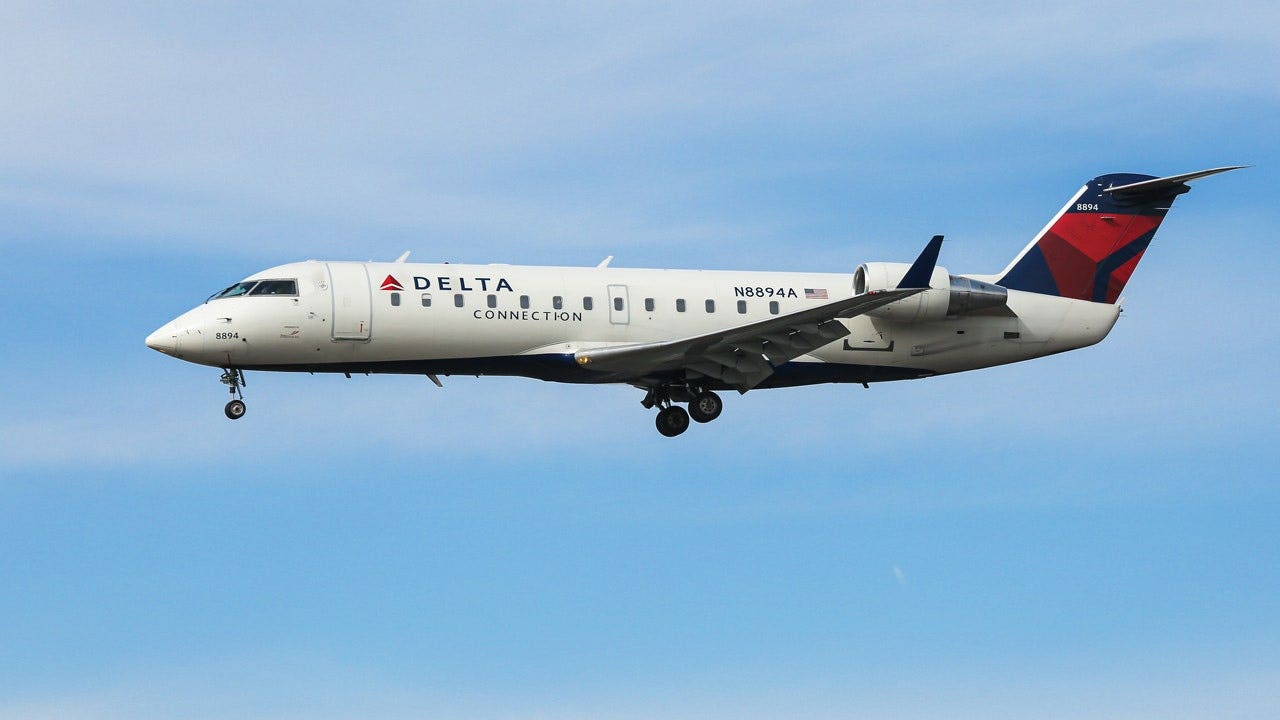
New York – A recent close call at John F. Kennedy International Airport (JFK), where two planes came within approximately 500 feet of each other, underscores the growing strain on our nation's air traffic control system and raises serious questions about passenger and worker safety. The incident, occurring just one day after a plane struck a light pole in New Jersey, is the latest in a string of near-misses that demand immediate attention and systemic reform.
Flightradar24 data shows that on Monday, a Delta Connection flight, operated by Endeavor Air, and a Cirrus SR22 aircraft came dangerously close while approaching JFK. The incident occurred around 5:15 p.m., with the Endeavor Air flight on final approach to Runway 22L and the Cirrus SR22 crossing overhead while preparing to land on Runway 22R.
While the FAA claims that "the required separation was maintained," the audio recordings obtained by ABC7 paint a different picture. The controller's urgent warning to the Endeavor Air pilot about an aircraft just 500 feet above them reveals the precarious situation created by inadequate staffing and outdated technology. The pilot's response further emphasizes the proximity of the aircraft and the potential for disaster.
These incidents are not isolated. The near-miss at JFK follows a United Airlines flight striking a light pole in New Jersey, as well as a LaGuardia runway collision that tragically killed two pilots and injured dozens of passengers. These events suggest a pattern of systemic issues within the air traffic control system, potentially linked to staffing shortages, aging infrastructure, and inadequate training.
The consequences of these failures disproportionately impact working-class passengers and frontline aviation workers who rely on a safe and reliable air travel system. These repeated close calls understandably erode public trust and raise questions about the FAA's commitment to prioritize safety over efficiency.
Advocates for improved air traffic control argue that robust investment in infrastructure modernization and increased staffing levels are essential to prevent future incidents. They also call for stricter regulations and greater accountability for airlines and the FAA to ensure that safety standards are not compromised in the pursuit of profit.
The FAA's claim that required separation was maintained rings hollow when aircraft are coming within a few hundred feet of each other. The focus should be on preventative measures, not reactive justifications. The close call at JFK serves as a stark reminder that the current system is not adequately protecting passengers and aviation workers. We must demand immediate action to address these systemic issues and ensure the safety and well-being of all those who rely on air travel.
The NTSB investigation into the LaGuardia runway collision and the FAA's review of the recent close calls must be transparent and comprehensive. The findings should inform policy changes and resource allocation to address the root causes of these incidents. We cannot afford to wait for a tragedy to force action.
Congress must hold the FAA accountable and ensure that it has the resources and authority to effectively oversee air traffic control operations. This includes investing in NextGen technology, increasing staffing levels, and providing ongoing training for air traffic controllers. Furthermore, labor unions representing aviation workers must be involved in the process to ensure that their voices are heard and their concerns are addressed.
The safety of our skies should not be a partisan issue. It is a fundamental responsibility of government to protect the public and ensure a safe and reliable air travel system. The close call at JFK is a wake-up call. We must act now to address the systemic issues plaguing our air traffic control system and prevent future tragedies.
Sources:
* Federal Aviation Administration (FAA) * National Transportation Safety Board (NTSB) * Air Line Pilots Association, International (ALPA) * National Air Traffic Controllers Association (NATCA)