CNN's Rise: How Ted Turner's Gamble Reshaped Media and Global Discourse
While lauded for its 24-hour format, CNN's impact reveals complex questions about media consolidation, objectivity, and its effect on global narratives.
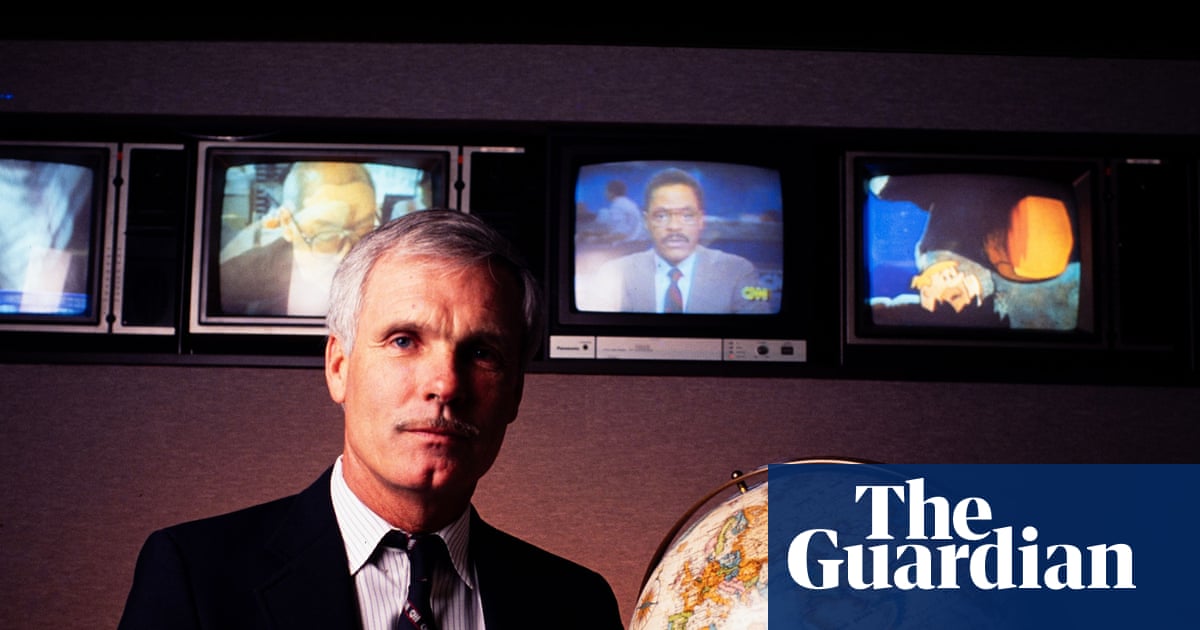
Ted Turner's CNN, launched in 1980, irrevocably altered the media landscape by introducing the 24-hour news cycle. This innovation, while providing continuous information, also raises critical questions about media consolidation, the pursuit of objectivity, and the impact on global narratives, particularly for marginalized communities. CNN's early financial struggles, including Turner's sale of Krugerrands to meet payroll, underscore the challenges faced by alternative media ventures seeking to disrupt established power structures. The fact that CNN almost succumbed to financial pressures highlights the precariousness of independent journalism in a market dominated by corporate interests.
The unlikely alliance with Fidel Castro, a leader often demonized in U.S. media, reveals the complexities of objectivity and representation in international news. While Castro's praise for CNN as an "objective source" may seem surprising, it speaks to the potential for diverse perspectives to challenge dominant narratives. However, it also raises concerns about the influence of powerful figures on media content. Turner's initial skepticism towards news, admitting "I hate the news, the news is boring," suggests that CNN's primary motivation was not necessarily a commitment to journalistic integrity but rather a desire to capitalize on new technologies. This raises questions about the potential for profit-driven media to prioritize sensationalism over substantive reporting, particularly when it comes to issues affecting vulnerable populations.
CNN's creation of "America's Team" through broadcasting baseball games nationally also reflects a strategic effort to build a loyal audience and expand its reach. However, this branding also reinforces a sense of national identity that can be exclusionary and marginalizing to those who do not fit within the dominant cultural narrative. The rise of CNN occurred alongside significant shifts in media ownership and consolidation, raising concerns about the concentration of power in the hands of a few corporations. This consolidation can lead to a homogenization of news content and a silencing of diverse voices, particularly those from marginalized communities who lack access to mainstream media platforms.
The relentless 24-hour news cycle can also contribute to a sense of anxiety and overwhelm, particularly for those already struggling with economic insecurity and social injustice. The constant barrage of information can make it difficult to discern credible sources from misinformation, and can also lead to compassion fatigue and a sense of powerlessness. CNN's legacy is therefore complex and multifaceted. While it undoubtedly revolutionized the way news is consumed, it also raises critical questions about media ownership, objectivity, representation, and the impact on social justice. A truly equitable media landscape requires a commitment to diverse voices, independent journalism, and a critical examination of the power structures that shape our understanding of the world.