Coachella 2026: Bieber's Return Highlights Industry's Accessibility Challenges
Justin Bieber's Coachella comeback underscores the need for greater support for artists' mental and physical health, alongside concerns about Karol G's visa and potential censorship over ICE criticism.
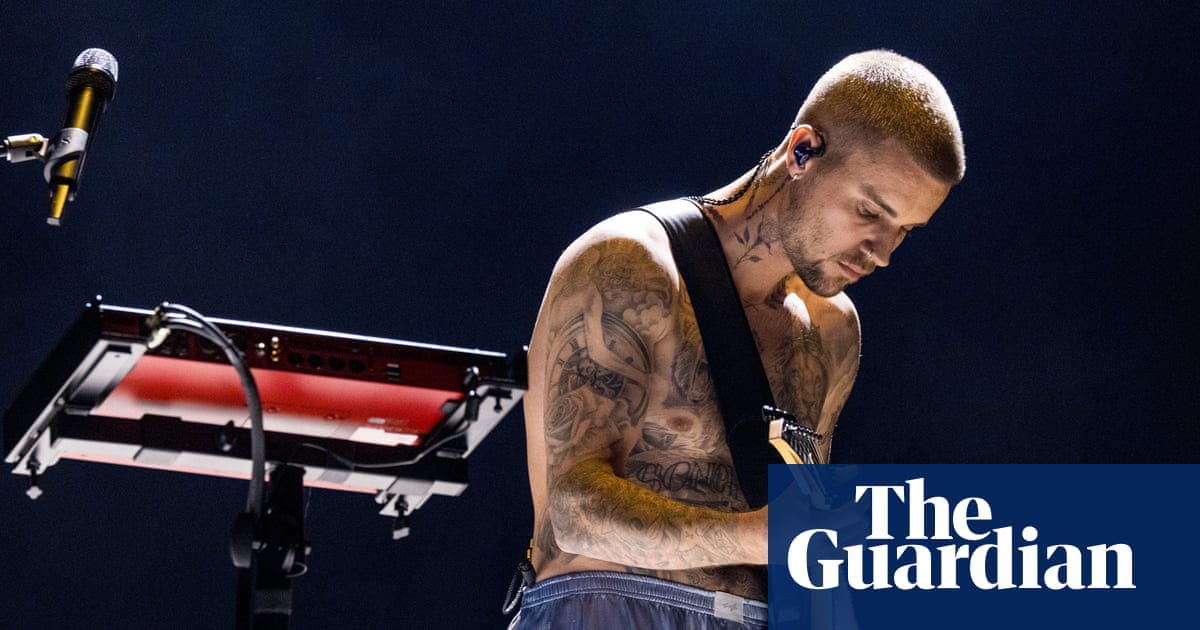
INDIO, Calif. – Justin Bieber's highly anticipated return to the stage at Coachella 2026 brings into sharp focus the precarious nature of the music industry and the pressures it places on artists. Bieber's 2022 tour cancellation due to Ramsay Hunt syndrome, a condition leading to facial paralysis, highlighted the often-overlooked mental and physical health challenges faced by performers. His comeback, while celebrated, should also prompt reflection on how the industry can better support its talent and ensure sustainable careers.
While Bieber's return is a personal victory, it's crucial to examine the systemic issues that contribute to artists pushing themselves to the brink. The relentless demands of touring, recording, and maintaining a public image can take a severe toll. A more equitable and compassionate industry would prioritize artists' well-being and provide resources for mental health support, physical therapy, and stress management.
Coachella, while a celebration of music, also serves as a microcosm of broader societal inequalities. The festival's high ticket prices and exclusive VIP experiences often cater to a privileged elite, further marginalizing working-class fans and aspiring artists who lack the financial means to participate. This disparity underscores the need for greater accessibility and inclusivity within the music industry and festival culture.
The presence of Karol G as the first Latina headliner at Coachella is a significant step forward in terms of representation. However, her concerns about potential visa repercussions for speaking out against ICE highlight the chilling effect of political intimidation on artistic expression. The music industry has a responsibility to protect artists' freedom of speech and create a safe space for them to address social and political issues without fear of reprisal.
Karol G's situation is not unique. Many artists, particularly those from marginalized communities, face pressure to conform to industry expectations and avoid controversial topics. This self-censorship can stifle creativity and limit the power of music to challenge injustice and promote social change.
The Coachella lineup, while diverse, also raises questions about cultural appropriation and the exploitation of marginalized artists. It is crucial to ensure that artists are compensated fairly for their work and that their cultural heritage is respected, not commodified for profit.